

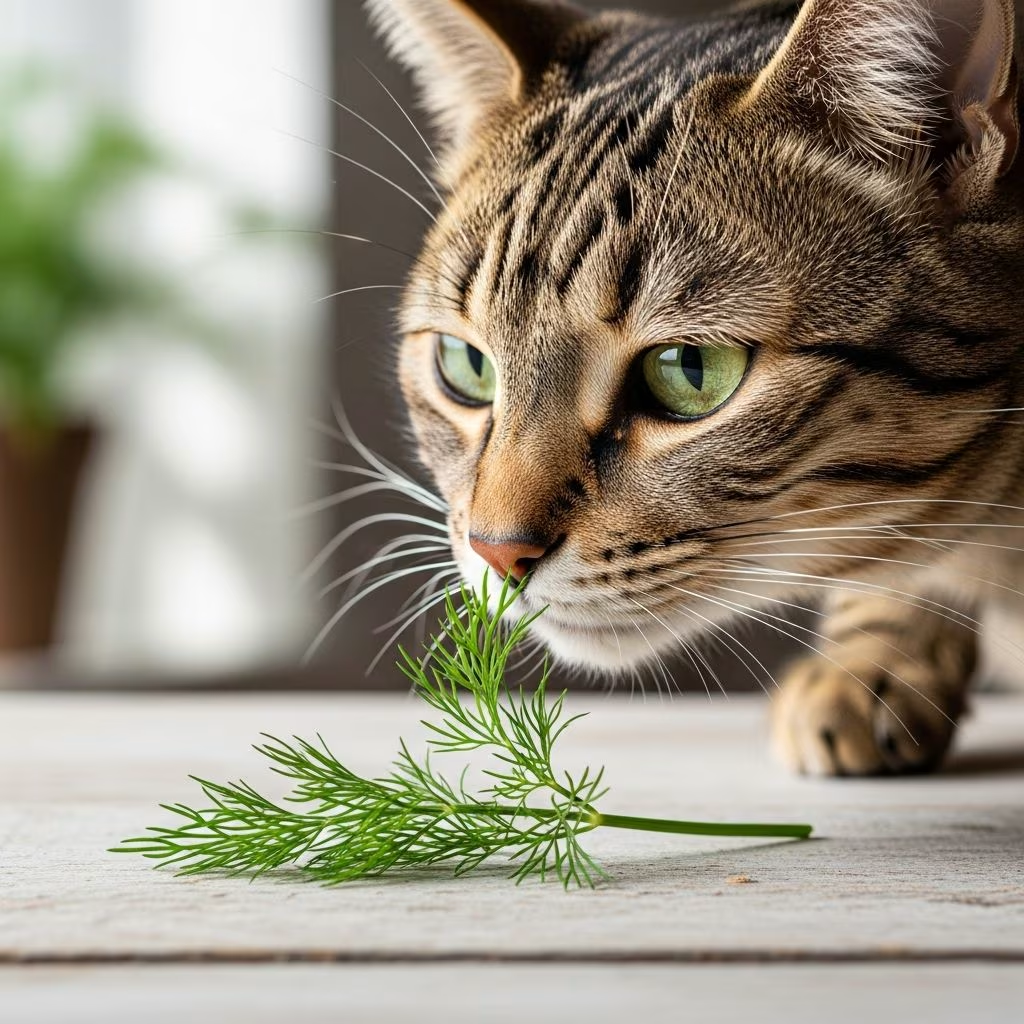
Dill (Anethum graveolens) is a feathery green herb commonly used in cooking for its fresh, tangy flavor. Many cat owners wonder if they can share this popular herb with their feline companions. The short answer is yes, cats can eat dill safely in small amounts, as it is non-toxic according to the ASPCA. However, like many human foods, it should not form a staple of your cat’s diet due to their unique nutritional needs as obligate carnivores.
Cats are primarily meat-eaters, requiring high levels of protein, taurine, and specific fatty acids that plants like dill cannot provide. While occasional nibbles won’t harm most cats, overfeeding can lead to digestive issues or nutritional imbalances. This comprehensive guide explores dill’s safety profile, potential benefits, risks, preparation tips, and answers to frequently asked questions, drawing from veterinary insights and reliable sources.
Can Cats Eat Dill?
Dill is confirmed non-toxic to cats, dogs, and horses by the ASPCA, making it a safe occasional treat. The herb’s leaves, stems, and even seeds are generally harmless when consumed in moderation. Unlike toxic plants such as lilies, onions, or garlic, dill lacks compounds that damage red blood cells or cause severe poisoning.
That said, ‘non-toxic’ does not equate to ‘nutritionally ideal.’ Cats have sensitive digestive systems adapted for animal-based proteins. Introducing dill requires caution: start with tiny amounts to monitor reactions. Fresh dill is preferable over dried, pickled, or essential oil forms, as processed versions may contain salt, vinegar, preservatives, or concentrated oils that could irritate the stomach or skin.
Veterinarians emphasize portion control—treats like dill should comprise no more than 10% of daily caloric intake to avoid displacing essential cat food. If your cat shows interest in herbs while you’re cooking, a small sprig can be a fun, low-calorie diversion, but always prioritize a complete, balanced commercial cat food formulated by AAFCO standards.
Is Dill Healthy for Cats?
Dill offers minor nutritional perks but is not a superfood for felines. Per 100g of fresh dill, it provides approximately 43 calories, 3.5g protein, 4g fiber, and key micronutrients like vitamin A (7717 IU, supporting vision and immunity), vitamin C (85mg, an antioxidant aiding cell protection), and manganese (important for metabolism). Antioxidants in dill may combat oxidative stress, while its essential oils could promote mild anti-inflammatory effects.
- Antioxidant support: Vitamins A and C help bolster the immune system and protect against free radical damage, though cats synthesize their own vitamin C.
- Digestive aid: Dill’s carminative properties may ease gas, bloating, or mild stomach upset, similar to its use in human folk remedies.
- Calming aroma: The scent can relax some cats or stimulate appetite in picky eaters.
- Bad breath reducer: Dill-infused water (in tiny amounts) might freshen breath, but consult a vet first.
These benefits are anecdotal and minimal compared to a cat’s core diet. Dill lacks taurine, arachidonic acid, and pre-formed vitamin A (retinol) critical for heart health, reproduction, and vision. Excessive plant matter can fill the stomach, leading to refusal of nutrient-dense kibble or wet food, risking deficiencies over time.
Research on herbs in feline diets is limited, but holistic vets note that small amounts of safe greens can provide fiber for hairball prevention and mental enrichment. For optimal health, combine occasional dill with cat grass or other vet-approved enrichments rather than relying on it solely.
Potential Risks of Feeding Dill to Cats
While safe, dill isn’t risk-free. Overindulgence can trigger issues due to its fiber content and essential oils.
- Digestive upset: Too much fiber may cause vomiting, diarrhea, or loose stools, especially in cats with sensitive stomachs.
- Allergic reactions: Rare, but symptoms like itching, swelling, or hives can occur. Kittens, seniors, or those with IBD are more prone.
- Choking or blockages: Tough stems pose hazards if not chopped finely.
- Pesticide exposure: Store-bought dill may carry residues; always wash thoroughly.
- Essential oils: Concentrated forms (e.g., dill oil) can cause dermatitis or gastrointestinal irritation—avoid entirely.
Cats with pre-existing conditions like pancreatitis, kidney disease, or allergies should skip dill. If symptoms arise post-consumption, withhold food, offer water, and contact a vet or pet poison hotline immediately. Monitoring is key during the first few introductions.
How to Safely Offer Dill to Your Cat
To minimize risks and maximize enjoyment, follow these vet-recommended steps:
- Select fresh dill: Choose organic if possible, avoiding wilted or yellowed leaves.
- Wash meticulously: Rinse under cool water and pat dry to remove dirt, pesticides, or fertilizers.
- Prepare appropriately: Finely chop leaves or use tender tips. Skip seeds (harder to digest), stems (choking risk), dried herbs, or pickled varieties with additives.
- Portion control: Start with 1/8 teaspoon for kittens/small cats or 1/4 teaspoon for adults—once or twice weekly max.
- Serve creatively: Mix into wet food, sprinkle on kibble, or offer as a standalone treat. Freeze in ice cubes for fun.
- Observe reactions: Watch for 24-48 hours for vomiting, lethargy, or changes in stool/appetite.
Store unused dill in the fridge wrapped in a damp towel for freshness. Integrate into play: hide snippets in puzzle feeders for mental stimulation.
Other Herbs Safe for Cats
Beyond dill, several herbs enrich a cat’s environment safely:
| Herb | Benefits | Feeding Notes |
|---|---|---|
| Catnip | Euphoric stimulation, stress relief | Fresh/dried; 10-15 min sessions |
| Parsley | Freshens breath, diuretic | Small amounts; rinse well |
| Basil | Anti-inflammatory, calming | Fresh leaves only |
| Thyme | Antibacterial, respiratory aid | Sprinkle sparingly |
| Cat Grass (wheat/oat) | Fiber for digestion, vomiting inducer for hairballs | Grow at home |
Avoid toxic herbs like chives, oregano (in excess), or pennyroyal. Always introduce one at a time and consult your vet for personalized advice.
Frequently Asked Questions (FAQs)
Is dill essential for my cat’s diet?
No, dill is not essential. Cats are obligate carnivores needing meat-based nutrition; dill is an optional treat.
Can cats eat dill seeds?
Dill seeds are non-toxic but harder to digest and may cause upset—stick to leaves.
Can cats eat dill pickles?
No, pickles contain salt, vinegar, and spices toxic or irritating to cats.
What if my cat eats a lot of dill?
Monitor for vomiting/diarrhea. Mild cases resolve; severe ones need vet care.
Is dill safe for kittens?
Limited amounts after weaning; consult vet for young or health-compromised cats.
Does dill help with cat bad breath?
Possibly in small doses, but dental chews or vet products are better.
References
- Can Cats Eat Dill? Safe Feeding Guidelines — Dial A Vet. 2024. https://www.dialavet.com/blog/can-cats-eat-dill
- Can Cats Have Dill? Safety & Benefits Explained — Zoorithm. 2024. https://www.zoorithm.com/cats/can-cats-have-dill
- Can Cats Eat Dill? Vet-Reviewed Facts & FAQ — Catster. 2024. https://www.catster.com/nutrition/can-cats-eat-dill/
- Can Cats Eat Dill? Vet-Reviewed Nutritional Facts & Safety Guide — Hepper. 2024. https://articles.hepper.com/can-cats-eat-dill/
- Dill – Toxic and Non-toxic Plants — ASPCA (official). 2024. https://www.aspca.org/pet-care/aspca-poison-control/toxic-and-non-toxic-plants/dill
- Can Cats Eat Dill? Vet-Verified Facts — Huston Veterinary Clinic. 2024. https://hustonveterinary.com/can-cats-eat-dill/



