

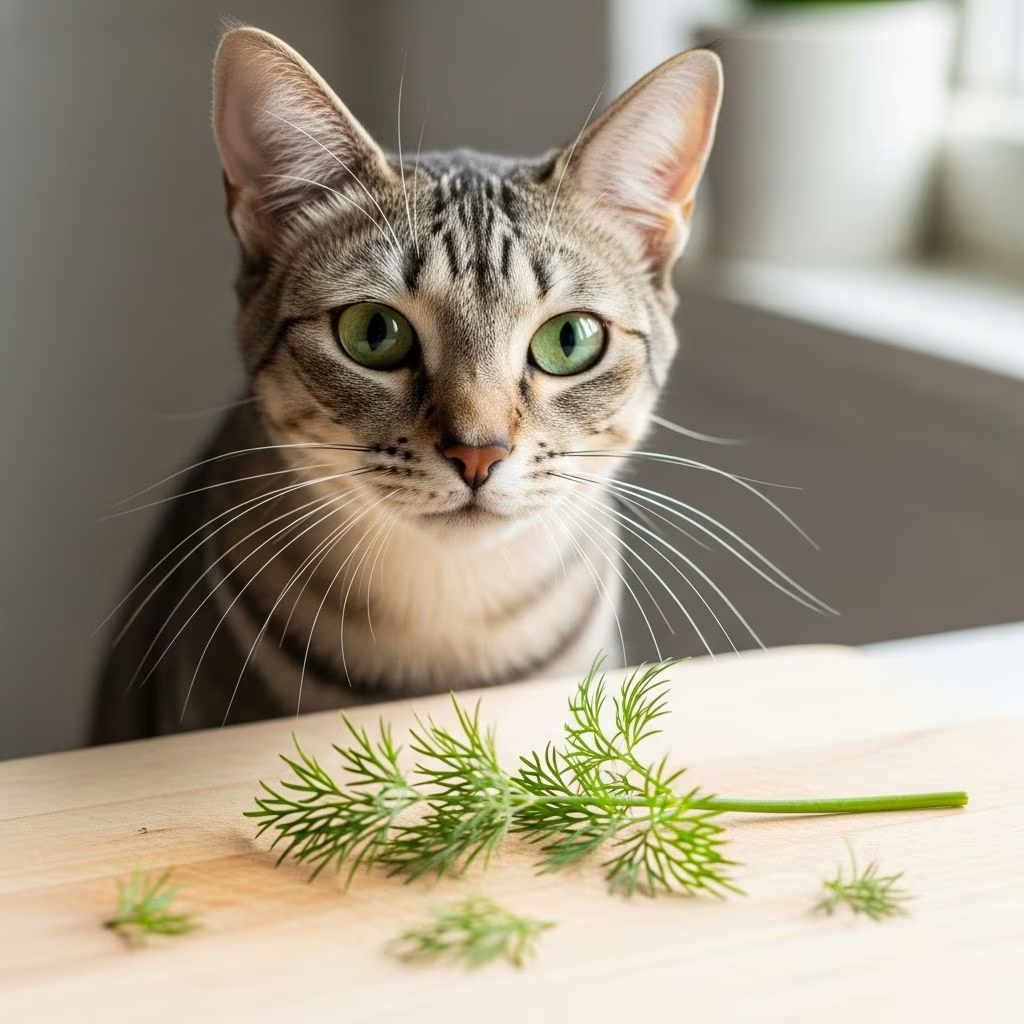
Dill (Anethum graveolens) is a feathery green herb popular in human cuisine for its fresh, tangy flavor in pickles, salads, and fish dishes. But when your curious cat eyes a sprig on the counter, cat parents often wonder: **Can cats eat dill safely?** The short answer is yes—dill is non-toxic to cats, as confirmed by the ASPCA, making it a low-risk occasional treat for most felines. However, while safe, dill isn’t a dietary staple for obligate carnivores like cats, who thrive on meat-based nutrition. Overfeeding can lead to tummy troubles, nutrient gaps, or other issues. This comprehensive guide explores dill’s safety profile, potential health perks, risks, proper serving methods, and answers to common questions, drawing from veterinary insights and reliable sources.
Can Cats Eat Dill?
**Yes, cats can eat dill in small amounts.** The ASPCA lists dill as non-toxic to cats, dogs, and horses, with no major poisonous principles beyond potential dermatitis from prolonged skin contact with its essential oils. Veterinary sites like Catster, Dial a Vet, and Hepper echo this: fresh dill leaves pose minimal threat when offered sparingly.
Cats’ unique biology as obligate carnivores means they derive essential nutrients—taurine, arachidonic acid, and pre-formed vitamin A—from animal proteins, not plants like dill. A nibble won’t harm, but unrestricted access to dill pots or bunches could fill their stomachs, displacing vital cat food and risking malnutrition. Essential oils in dill (e.g., carvone, limonene) are concentrated and may irritate sensitive feline digestive tracts or skin if overexposed.
Processed dill forms amplify concerns: dried dill, seeds, pickles, or essential oils often include salt, garlic, onions, vinegar, or preservatives toxic to cats. Stick to plain, fresh dill from trusted sources.
Is Dill Healthy for Cats?
Dill offers trace nutritional value but isn’t a ‘superfood’ for cats. Per USDA data (via pet nutrition analyses), 100g fresh dill provides vitamins A (771 IU, supports vision/immunity), C (85mg, antioxidant though cats synthesize it), plus manganese, folate, and antioxidants like flavonoids. These may mildly bolster immunity or combat oxidative stress, but quantities in a cat-safe pinch (e.g., 1-2g) deliver negligible doses compared to commercial cat food fortified with bioavailable forms.
- Antioxidants: Flavonoids and polyphenols may reduce inflammation.
- Digestion aid: Carminative properties (gas-relieving) could ease mild bloating.
- Immune support: Vitamins A/C, though supplemental at best.
- Aroma appeal: Calming scent might relax picky eaters or stimulate appetite.
Studies on herbs in pets are limited; no large-scale trials confirm dill’s efficacy for felines. Benefits are anecdotal, with primary nutrition from AAFCO-approved kibble/wet food essential. Dill as <10% of calories max.
Potential Risks of Feeding Dill to Cats
Non-toxicity doesn’t equal risk-free. Moderation prevents issues:
- Digestive upset: Excess fiber/essential oils cause vomiting, diarrhea, or gas.
- Allergies: Rare itching, swelling, or lethargy in sensitive cats.
- Choking/Blockage: Tough stems pose hazards.
- Nutrient dilution: Over-reliance skips meat nutrients.
- Contaminants: Pesticides, fertilizers on non-organic dill.
Kittens, seniors, or cats with GI issues (IBD, pancreatitis) face higher risks—consult vets first. If symptoms arise post-dill (drooling, hiding, bloody stool), seek immediate care.
How to Safely Offer Dill to Your Cat
Follow these vet-recommended steps for safe introduction:
- Choose fresh: Organic leaves only; skip stems/seeds.
- Wash thoroughly: Rinse under cool water, pat dry.
- Portion control: Start with 1/8 tsp chopped leaves, 1-2x/week.
- Mix in: Sprinkle on wet food or offer solo; no oils/butter.
- Monitor: Observe 24-48 hours for reactions.
- Store properly: Refrigerate in airtight container; discard wilted bits.
Table: Safe vs. Unsafe Dill Forms
| Form | Safe? | Why/Alternatives |
|---|---|---|
| Fresh leaves | Yes (small amounts) | Wash well; chop finely |
| Dill seeds | Avoid | Hard to digest, upset risk |
| Dried dill | Caution | Concentrated oils; plain only |
| Pickles/Dill relish | No | Salt, vinegar, garlic toxic |
| Dill essential oil | No | Highly concentrated, toxic |
Other Herbs Safe for Cats
Beyond dill, these herbs delight cats safely:
- Catnip: Euphoric, digestion aid.
- Parsley: Breath freshener, vitamin boost (small amounts).
- Basil: Antioxidant-rich, calming.
- Thyme: Antimicrobial for mild infections.
- Cat grass: Fiber for hairballs.
Unsafe herbs: Chives, garlic, onion (anemia risk); pennyroyal, yarrow (liver toxic). Always research via ASPCA list.
Frequently Asked Questions (FAQs)
Is dill essential for my cat’s diet?
No, dill provides no unique nutrients cats can’t get from meat-based food. Use as rare treat.
Can cats eat dill seeds?
Avoid seeds; they’re harder to digest than leaves, risking upset.
Is dill toxic to cats?
No, ASPCA confirms non-toxic, but essential oils can irritate.
Can kittens eat dill?
Best avoided until 6+ months; sensitive systems.
What if my cat ate a lot of dill?
Watch for vomiting/diarrhea; call vet if persists.
Does dill help cat breath or digestion?
Mildly; better options like dental chews exist.
In summary, dill delights as an occasional, safe herb for cats when fresh and minimal. Prioritize balanced diet, vet advice for personalized needs, and supervised nibbles for happy, healthy felines.
References
- Can Cats Eat Dill? Safe Feeding Guidelines — Dial a Vet. 2024. https://www.dialavet.com/blog/can-cats-eat-dill
- Can Cats Have Dill? Safety & Benefits Explained — Zoorithm. 2024. https://www.zoorithm.com/cats/can-cats-have-dill
- Can Cats Eat Dill? Vet-Reviewed Facts & FAQ — Catster. 2024. https://www.catster.com/nutrition/can-cats-eat-dill/
- Can Cats Eat Dill? Vet-Reviewed Nutritional Facts & Safety Guide — Hepper. 2024. https://articles.hepper.com/can-cats-eat-dill/
- Can Cats Eat Dill? Vet-Verified Facts — Huston Veterinary. 2024. https://hustonveterinary.com/can-cats-eat-dill/
- Dill – Toxic and Non-toxic Plants — ASPCA (official .org). Accessed 2026. https://www.aspca.org/pet-care/aspca-poison-control/toxic-and-non-toxic-plants/dill



