

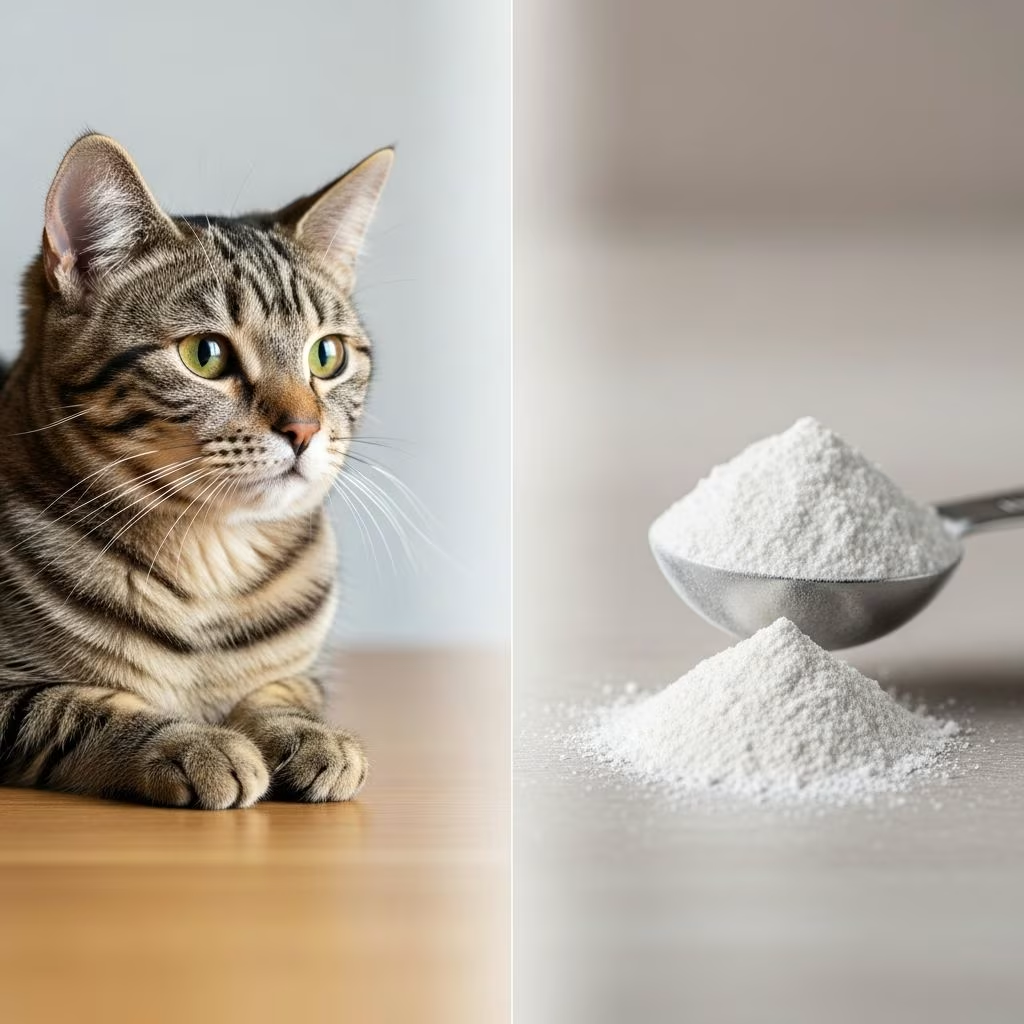
Diatomaceous earth (DE) is a natural powder gaining popularity among cat owners for pest control and health supplements, but safety hinges on using only food-grade versions in proper doses. While food-grade DE is generally safe for ingestion by cats over 2 pounds, non-food-grade types pose serious risks due to crystalline silica content, and inhalation must always be avoided.
Diatomaceous Earth: What Is It?
Diatomaceous earth is a fine, white to off-white powder derived from the fossilized remains of diatoms—ancient, microscopic algae-like organisms with silica-based skeletons. These skeletons, primarily silicon dioxide (SiO2), accumulate in lake and ocean sediments over millennia, forming diatomite rock that is mined, dried, and ground into powder. Under a microscope, DE appears as sharp, glass-like shards, which is key to its pest-killing mechanism.
Naturally occurring and non-toxic in its pure form, DE has been used for centuries in filtration, agriculture, and pest management. Its absorbent properties make it ideal for industrial uses like pool filters, but for pets, only untreated, amorphous silica-based food-grade DE is suitable.
What Is Diatomaceous Earth Used For?
DE serves multiple purposes, especially as a natural insecticide. Gardeners sprinkle it on plants to deter slugs and insects, while homeowners use it for bed bugs, ants, and fleas in carpets and yards. For cats, it’s applied topically for fleas, orally for internal parasites, or mixed into litter for odor control. The sharp edges physically lacerate insect exoskeletons, causing dehydration and death—a “mechanical” action that prevents pest resistance, unlike chemical pesticides.
- Pest control: Kills fleas, ticks, larvae (but not eggs or pupae).
- Health supplement: Potential dewormer and mineral source.
- Household uses: Deodorizer, litter additive, food storage preservative.
Veterinarians recommend consulting before use, as it’s not a complete flea lifecycle solution and efficacy for internal parasites relies on anecdotal evidence rather than robust clinical trials.
Can Cats Eat Diatomaceous Earth?
Yes, cats can safely eat food-grade diatomaceous earth in moderation, provided they weigh at least 2 pounds and are not nursing mothers or kittens under 6 weeks. Start with small doses: 1 teaspoon maximum for cats 2-6 pounds, up to 2 teaspoons for larger adults, mixed into wet food daily for 30 days to target parasites. Monitor for digestive upset, and always prioritize veterinary approval, especially if your cat is on medications.
| Cat Weight | Recommended Daily Dose (Food-Grade DE) | Duration |
|---|---|---|
| 2-6 pounds | ½ – 1 teaspoon | 30 days |
| Over 6 pounds (adult) | 1-2 teaspoons | 30 days |
| Kittens/nursing | Avoid | N/A |
DE passes through the digestive tract largely unabsorbed, mechanically abrading parasite cuticles. However, studies confirming its deworming efficacy in cats are limited; it’s not a substitute for prescription treatments like fenbendazole.
What’s the Difference Between Food Grade Diatomaceous Earth and Regular Diatomaceous Earth?
The critical distinction lies in processing and silica form:
- Food-grade DE: 80-90% amorphous silica, untreated or low-heat processed. Safe for ingestion, animal feed, and human consumption (e.g., as a trace mineral supplement). Contains trace minerals like silica, magnesium, and calcium.
- Regular/Pool-grade DE: Calcined at 1,500-1,800°F, converting amorphous silica to crystalline silica (up to 70% in some products). Inhalation risks silicosis, a lung disease; not safe for pets or consumption.
Always verify labeling: Food-grade should explicitly state “food-grade” or “feed-grade,” with less than 1% crystalline silica per EPA standards. Pool filter DE is dangerous if repurposed.
How Can Diatomaceous Earth Benefit My Cat?
Beyond pest control, food-grade DE offers potential health perks, though backed more by owner reports than peer-reviewed cat-specific studies:
- Parasite control: Abrades adult roundworms, hookworms, whipworms, and pinworms in the gut. 30-day use targets hatching larvae.
- Digestion aid: Absorbs toxins, gases; may alleviate constipation or diarrhea.
- Coat and skin health: Silica supports collagen, keratin for shinier fur and stronger nails.
- Mineral boost: Provides silica (joint/bone health), calcium, magnesium, sodium—enhancing appetite, metabolism, detoxification.
Anecdotal benefits include improved litter box habits and reduced shedding, but consult a vet to avoid interactions with meds or over-supplementation.
Are There Any Nutritional Benefits to Diatomaceous Earth?
Food-grade DE contains 85-95% silica plus trace minerals, acting as a natural anti-caking agent in feeds. For cats, it may enhance nutrient absorption, support urinary tract health via pH balance, and promote detoxification by binding heavy metals/mycotoxins. Some owners report brighter eyes, increased energy, and better stool quality after consistent use. However, it’s not a balanced supplement—excess silica risks constipation, and nutritional claims lack feline RCTs. Use as an adjunct, not replacement, for a complete diet.
Can I Treat My Cat’s Fleas With Diatomaceous Earth?
Yes, food-grade DE effectively kills adult fleas topically by lacerating exoskeletons and desiccating them within 4-24 hours. Rub sparingly into dry coat (avoid face, genitals, eyes, nose, mouth), let sit 48-72 hours, then bathe. Repeat weekly, combining with environmental treatment and flea preventives for full lifecycle control (eggs/pupae unaffected).
Diatomaceous Earth and Cat Litter
Mix 1-2 tablespoons food-grade DE per gallon of litter for superior clumping, odor neutralization, and flea larvae control in the box. It absorbs urine efficiently, reducing bacteria and ammonia smells without chemicals. Refresh weekly; safe if ingested during grooming.
- Sprinkle thin layer before adding litter.
- Reduces tracking and dust.
- Cost-effective natural deodorizer.
Side Effects and Risks of Diatomaceous Earth for Cats
While safe when used correctly, risks include:
- Inhalation: Respiratory irritation, coughing, silicosis (pool-grade).
- Dry skin/eyes: From topical overuse.
- GI upset: Constipation, vomiting if overdosed.
- Ineffectiveness: Doesn’t kill eggs; resistance not an issue, but incomplete control.
Avoid in kittens, pregnant/nursing cats, or those with respiratory issues. Discontinue if symptoms appear; seek vet care.
Frequently Asked Questions
Is diatomaceous earth safe for kittens?
No, avoid in kittens under 2 pounds or 6 weeks; their systems are too delicate. Use vet-prescribed alternatives.
How long does it take for DE to kill fleas on cats?
4 hours for initial effects, full kill in 24-48 hours; reapply as needed.
Can I give my cat DE daily?
Yes, up to 30 days for deworming, then maintenance 1-2x weekly; monitor health.
Does DE expire?
Indefinitely if stored dry; loses potency if wet.
Is DE better than chemical flea treatments?
It’s natural and non-resistant, but less comprehensive—best as part of integrated pest management.
Conclusion
Food-grade diatomaceous earth offers cats a safe, natural option for flea control, potential deworming, litter enhancement, and minor nutritional boosts when used judiciously. Always prioritize vet consultation, stick to food-grade, and integrate with proven preventives for optimal results. Misuse risks outweigh benefits, so knowledge is key to harnessing DE’s power safely.
References
- Does Diatomaceous Earth Kill Fleas on Cats? Vet-Reviewed Facts & FAQ — Catster. 2023-06-15. https://www.catster.com/cat-health-care/does-diatomaceous-earth-kill-fleas-on-cats/
- Can Cats Eat Diatomaceous Earth? Vet-Verified Safety Tips — Catster. 2023-08-20. https://www.catster.com/cat-health-care/can-cats-eat-diatomaceous-earth/
- Diatomaceous Earth for Cats: Overview, Dosage & Side Effects — Cats.com (DVM Author). 2024-02-10. https://cats.com/diatomaceous-earth-for-cats
- Can You Use Diatomaceous Earth for Fleas? — PetMD. 2023-11-05. https://www.petmd.com/general-health/diatomaceous-earth-for-fleas



