

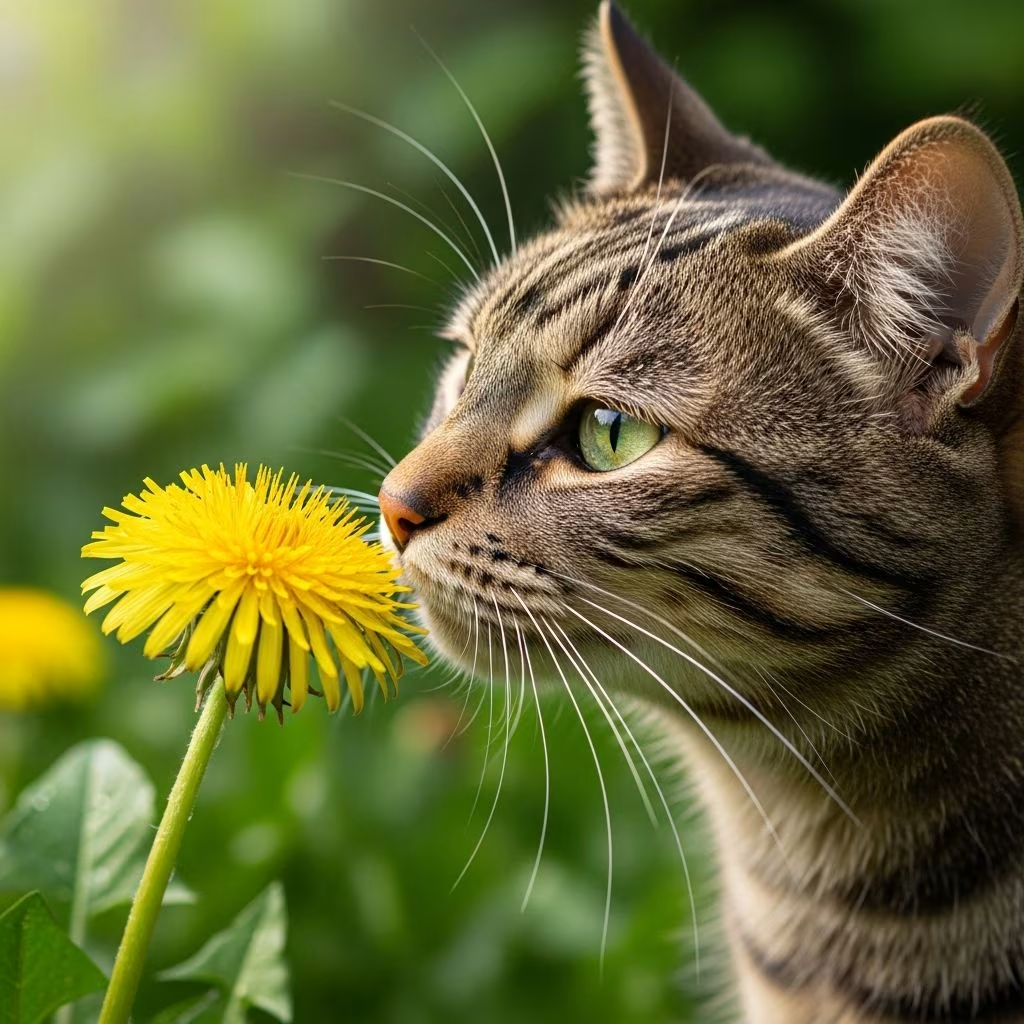
Dandelions, those ubiquitous yellow weeds in lawns and gardens, are often dismissed as nuisances by humans but spark curiosity among cat owners. If your feline friend eyes a dandelion patch during outdoor adventures or nibbles on one indoors, you might wonder: can cats eat dandelions safely? The answer is yes—dandelions are non-toxic to cats and can even provide nutritional perks when offered correctly. Unlike many plants that pose serious risks, clean dandelions (free from pesticides) serve as an occasional treat for cats, supporting digestion and immunity without replacing their meat-based diet.
This comprehensive guide dives into the safety, health benefits, potential risks, proper preparation, and answers to common questions, drawing from veterinary insights to help you make informed choices for your cat’s well-being.
Are Dandelions Safe for Cats?
Yes, all parts of the dandelion plant—leaves, flowers, and roots—are safe and non-toxic for cats, according to multiple veterinary sources. The ASPCA and similar toxic plant lists do not classify dandelions (Taraxacum officinale) as harmful, making them a worry-free option compared to lilies, tulips, or other common yard dangers. Cats, as obligate carnivores, thrive primarily on animal proteins, but small amounts of dandelions won’t disrupt this balance and may even aid health.
Wild dandelions your cat encounters outdoors are typically fine if untreated, but urban or chemically maintained lawns introduce risks—always prioritize home-grown or verified organic sources. Flowers add a mild, edible flair that some cats enjoy, while roots offer deeper benefits in controlled supplements, though fresh greens remain the simplest choice. Introduce gradually to ensure tolerance, as individual sensitivities vary.
Health Benefits of Dandelions for Cats
Beyond safety, dandelions pack a nutrient punch that complements a cat’s diet. Rich in **vitamins A, C, K, E, D, and B-complex**, they support vision, immunity, blood clotting, and skin health. Minerals like **iron, calcium, magnesium, potassium, and phosphorus** bolster bones, muscles, and electrolyte balance.
Key perks include:
- High fiber content promotes healthy digestion, preventing constipation and aiding gut motility—ideal for cats prone to hairballs.
- Antioxidants combat oxidative stress, potentially reducing inflammation and supporting joint or overall vitality.
- Anti-inflammatory properties may ease minor aches, with roots showing diuretic effects to flush toxins and support kidney/liver function.
- Immune boost from vitamins and minerals helps fend off illnesses, especially in senior or recovering cats.
Studies on herbal uses note dandelion’s role in traditional medicine for liver support, backed by its gentle, daily-safe profile for pets when dosed properly. However, these benefits shine in moderation—overdoing it shifts from supplement to staple, which isn’t suitable for carnivorous cats. A teaspoon daily max maximizes upsides without overload.
Potential Risks and Dangers
While safe, dandelions aren’t risk-free. **Overfeeding leads to digestive upset** like vomiting, diarrhea, or gas, as excess fiber overwhelms a cat’s short gut. Pesticides, herbicides, or fertilizers on wild plants are the biggest threat—ingestion can cause poisoning symptoms like drooling, lethargy, or seizures; contact your vet or poison hotline immediately if suspected.
Rare allergies manifest as itching, swelling, or appetite loss—monitor new treats closely. Roots’ diuretic action increases urination, beneficial in small doses but risky for dehydrated or kidney-compromised cats. Kittens, pregnant, or nursing queens should skip them due to developing systems. Always consult a vet for cats with conditions like IBD or diabetes.
| Risk | Symptoms | Prevention |
|---|---|---|
| Pesticide Exposure | Lethargy, vomiting, tremors | Source organic; wash thoroughly |
| Overfeeding | Diarrhea, bloating | Limit to 1 tsp/day; introduce slowly |
| Allergies | Itching, swelling | Start small; observe 24-48 hours |
| Diuretic Effect (Roots) | Increased urination | Use sparingly; vet approval for health issues |
How to Safely Prepare and Feed Dandelions to Cats
To harness benefits safely, follow these vet-recommended steps:
- Source wisely: Pick young, fresh dandelions from untreated yards or buy organic. Avoid roadsides or sprayed areas.
- Clean meticulously: Rinse under cool water, soak in vinegar solution (1:10), then pat dry to remove contaminants.
- Prep simply: Chop leaves finely for easy chewing; flowers can be whole or torn. Steam lightly if raw texture deters your cat.
- Portion control: Start with 1/4 tsp mixed into wet food; cap at 1 tsp daily for adults (less for small cats).
- Store properly: Refrigerate washed greens in airtight containers up to 5 days; freeze portions for longer.
- Monitor: Watch for 24 hours post-feeding; discontinue if issues arise.
Creative serving: Sprinkle on kibble, blend into purees, or stuff toys for foraging fun. Supplements like dandelion root extracts exist for targeted support, but fresh is best for beginners.
Conclusion: A Safe, Nutritious Treat in Moderation
Dandelions offer cats a low-calorie, nutrient-dense treat that enhances—not replaces—their diet. With precautions against chemicals and excess, they promote digestion, immunity, and vitality. Always prioritize commercial cat food and vet guidance for tailored nutrition. Your curious kitty can enjoy this wild weed worry-free!
Frequently Asked Questions (FAQs)
Can kittens eat dandelions?
No, avoid dandelions for kittens. Their developing digestive systems need kitten-specific formulas; introduce greens after 6-12 months with vet approval.
Are dandelion flowers and roots safe for cats?
Yes, flowers and roots are non-toxic and edible, offering similar benefits. Limit roots due to diuretic effects; flowers make fun, occasional nibbles.
How much dandelion can I give my cat daily?
No more than 1 teaspoon of chopped greens per day for adults, as 10% of total calories max from treats. Adjust for size and health.
What if my cat ate sprayed dandelions?
Monitor for vomiting, lethargy, or tremors. Induce vomiting only if vet instructs; call ASPCA hotline or vet immediately.
Can dandelions help with cat hairballs?
Yes, the fiber lubricates the gut and eases hair passage, but pair with hairball formulas for best results.
References
- Can Cats Eat Dandelion Greens? Safe Feeding Tips — Dial A Vet. 2023. https://www.dialavet.com/blog/can-cats-eat-dandelion-greens
- Can Cats Eat Dandelions? Are Dandelions Safe For Cats? — CatTime. 2023. https://cattime.com/cat-facts/health/42778-can-cats-eat-dandelions-safe
- Can Cats Eat Dandelions? Vet-Verified Facts — Huston Veterinary Clinic. 2024. https://hustonveterinary.com/can-cats-eat-dandelions/
- Can Cats Eat Dandelions? Vet-Approved Nutritional Benefits & FAQ — Catster. 2024. https://www.catster.com/nutrition/can-cats-eat-dandelions/
- Can Cats Eat Dandelions? Vet-Approved Facts & Benefits — Hepper. 2024. https://articles.hepper.com/can-cats-eat-dandelions/
- Should My Cat Have Dandelion? — SmarterPaw. 2023. https://smarterpaw.com/blogs/news/should-my-cat-have-dandelion
- Dandelion Root For Cats and Dogs: Backed By Science — Hokuō Pet. 2024. https://www.hokuo.pet/blogs/blog/dandelion-root-benefits-for-cats-and-dogs



