

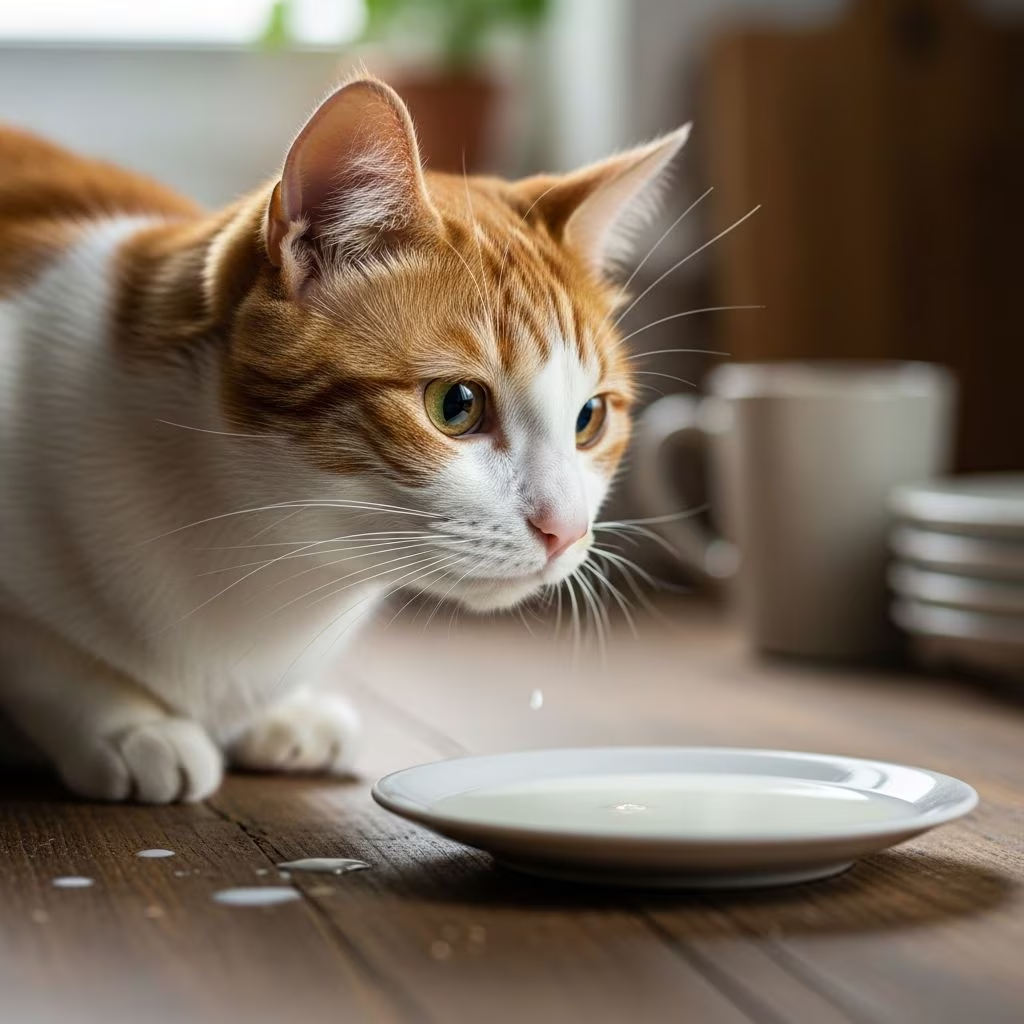
The classic image of a cat lapping up a saucer of milk is ingrained in popular culture, but is it safe or healthy for cats to consume dairy? Most adult cats are **lactose intolerant**, meaning they lack the enzyme lactase needed to digest lactose, the sugar in milk. This leads to digestive issues like diarrhea, vomiting, and stomach upset. While kittens can digest their mother’s milk, adult cats should avoid dairy to prevent health problems and maintain a balanced diet.
Why Are Cats Lactose Intolerant?
Cats are obligate carnivores with specific nutritional needs, primarily high protein from meat sources. Kittens produce lactase to digest lactose in their mother’s milk, which provides essential nutrients and antibodies during early development. After weaning—typically around 4-8 weeks—their bodies stop producing sufficient lactase, rendering most adult cats lactose intolerant.
This natural process mirrors human lactose intolerance, where lactase production declines with age. Studies and veterinary sources confirm that over 70% of adult cats cannot properly break down lactose, leading to fermentation in the gut by bacteria, causing gas, bloating, and loose stools. Even small amounts can trigger symptoms within hours.
Can Kittens Drink Milk?
Kittens rely on their mother’s milk for the first few weeks of life, which is tailored to their needs with the right balance of proteins, fats, and antibodies. However, cow’s milk is not suitable, even for kittens. It has higher lactose levels and different nutrient profiles that can overwhelm their tiny stomachs, leading to diarrhea or malnutrition.
- Mother’s milk: Ideal for newborns, supports immune system and growth.
- Cow’s milk: Too high in lactose; risks digestive upset and nutrient imbalance.
- Kitten milk replacers: Veterinary-formulated products like PetAg KMR mimic cat milk and are safe for orphans or weaned kittens needing supplementation.
Always consult a vet before introducing any milk to kittens, as their needs are precise during rapid growth phases.
Can Adult Cats Have Cow’s Milk?
No, adult cats should not have cow’s milk. Whole cow’s milk is high in lactose (about 5%), fat, and calories, exacerbating lactose intolerance symptoms and contributing to obesity—a common issue in pet cats. Even skim milk retains lactose, so it’s not a solution. A small taste might not harm tolerant cats, but regular saucers lead to chronic GI issues and unbalanced nutrition.
| Dairy Type | Lactose Content | Risks for Cats |
|---|---|---|
| Cow’s Milk (Whole) | High (4.8%) | Diarrhea, vomiting, obesity |
| Skim Milk | High (5%) | Same digestive issues, no fat benefit |
Other Dairy Products: Cheese, Yogurt, and More
Not all dairy is equal. Aged cheeses and plain yogurt have lower lactose due to bacterial fermentation breaking it down. Small amounts might be tolerated by some cats as occasional treats, but portion control is key—under 10% of daily calories.
- Cheese: Hard varieties like cheddar have minimal lactose; useful in training but high in fat and salt.
- Yogurt: Plain, low-fat, unsweetened Greek yogurt is better tolerated; probiotics may aid digestion in small doses. Avoid flavored varieties with sugar.
- Cream Cheese or Ice Cream: High fat and sugar; not recommended.
Even ‘safer’ options can cause issues if overfed, displacing nutrient-rich cat food.
Can Cats Have Goat Milk?
Goat milk contains less lactose than cow’s milk (about 4.1% vs. 4.8%) and is easier to digest for some, but it’s still problematic for lactose-intolerant cats. It’s calorie-dense with high fat, risking pancreatitis or obesity. Veterinary advice: avoid or limit to tiny amounts. Not a suitable regular treat.
Can Cats Have Other Milk Alternatives?
Almond, Oat, or Plant Milks
Non-dairy milks like almond or oat are lactose-free but unsafe for cats. They lack essential nutrients, contain additives (e.g., xylitol in some), and high carbs can upset feline digestion. Cats don’t process plant proteins well.
Coconut Milk
Rich in saturated fats, coconut milk causes severe GI upset and is not nutritionally appropriate for cats.
Lactose-Free Milk
Lactose-free cow’s milk solves the sugar issue but remains high in fat and calories. It doesn’t provide cat-specific nutrition and can lead to weight gain. Vets recommend against it.
Safe Alternatives to Dairy for Cats
Instead of dairy, opt for vet-approved options:
- Commercial cat treats: Formulated for nutrition, low-calorie.
- Cat milk products: Lactose-free formulas designed for cats, like cat-specific ‘milk’ drinks in moderation.
- Water: Always prioritize fresh water; it’s what cats need most.
- High-quality wet food: Provides hydration and mimics milk’s moisture without risks.
A balanced commercial cat food meeting AAFCO standards fulfills all needs: at least 26% protein, 9-20% fat, plus taurine and vitamins.
Signs of Dairy Intolerance in Cats
Watch for these symptoms after dairy exposure:
- Diarrhea or loose stools
- Vomiting
- Gas and bloating
- Abdominal pain (hunched posture)
- Lethargy
If symptoms persist, see a vet to rule out allergies or other issues.
Cat Nutrition Basics
Cats require meat-based diets high in animal protein for amino acids like taurine, preventing heart disease. Dairy offers calcium but not optimally; complete cat foods provide balanced minerals. Over-reliance on treats disrupts this.
| Nutrient | Daily Need (%) | Sources |
|---|---|---|
| Protein | ≥26% | Meat in cat food |
| Fat | 9-20% | Animal fats |
| Taurine | Essential | Organ meats, supplements |
Frequently Asked Questions
Is a little bit of milk okay for my cat?
A tiny amount occasionally might not harm tolerant cats, but it’s risky and unnecessary. Stick to cat-safe treats.
Why do some cats seem to enjoy dairy without issues?
A minority retain lactase; genetics play a role. Even they risk obesity from extra calories.
Can dairy help underweight cats?
No—use vet-recommended high-calorie foods instead.
What if my cat begs for milk?
Distract with appropriate toys or treats; their begging isn’t a nutritional need.
Is lactose-free cat milk safe?
Yes, in moderation as a treat—not a staple.
References
- Can Cats Drink Milk? — Hill’s Pet. 2023. https://www.hillspet.com/cat-care/nutrition-feeding/can-cats-drink-milk
- Can Cats Eat Dairy? — Animals First Veterinary Hospital. 2015-07-15. https://animalsfirstvethospital.com/2015/07/15/cherry-hill-nj-vet-cats-dairy/
- Can Cats Have Milk? — Park Veterinary Hospital. N/A. https://parkvet.net/blog/can-cats-have-milk/
- Can Cats Drink Milk? — PetMD. N/A. https://www.petmd.com/cat/nutrition/can-cats-drink-milk
- The Truth About Cats and Dairy — Smyrna Animal Hospital. 2016-01-15. https://www.smyrnaveterinary.com/2016/01/15/marietta-ga-vet-cats-dairy/
- Is It Safe to Feed Milk to Cats? — Orange County Emergency Vet. N/A. https://orangecountyemergencyvet.com/is-it-safe-to-feed-milk-to-cats/



