

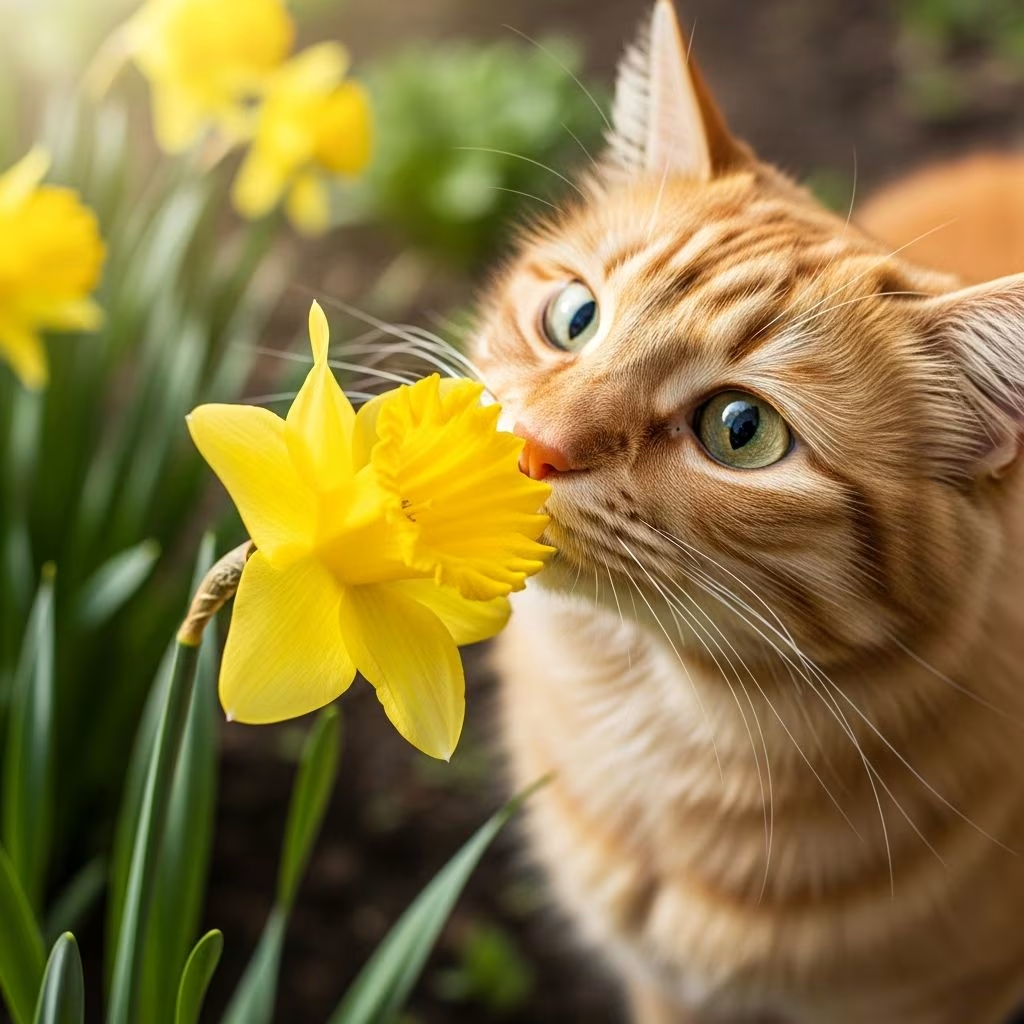
Daffodils (Narcissus spp.) are stunning spring flowers, but they pose a serious threat to cats. The entire plant, especially the bulbs, contains toxic alkaloids like lycorine and calcium oxalate crystals that can cause severe gastrointestinal distress, neurological symptoms, and even life-threatening complications in felines. Cat owners must prioritize prevention, as even small amounts can lead to illness requiring immediate veterinary intervention.
Quick Answer: Are Daffodils Poisonous to Cats?
Yes, daffodils are poisonous to cats. All parts of the plant—bulbs, stems, leaves, and flowers—are toxic and can induce vomiting, diarrhea, excessive salivation, abdominal pain, tremors, lethargy, seizures, low blood pressure, heart arrhythmias, and collapse. The bulbs are the most dangerous, concentrating the highest levels of toxins, with symptoms appearing as quickly as 15-30 minutes after ingestion.
Why Are Daffodils Toxic to Cats?
Daffodils belong to the Amaryllidaceae family and Narcissus genus, producing alkaloids such as lycorine, which irritate the gastrointestinal tract and disrupt cellular function in cats. These compounds cause vomiting by stimulating the chemoreceptor trigger zone in the brain and damaging intestinal lining. Calcium oxalate crystals add mechanical irritation, leading to oral ulcers, hypersalivation, and throat swelling. Cats lack certain enzymes to metabolize these plant toxins, amplifying their effects compared to other animals. Unlike dogs, cats’ fastidious grooming habits can exacerbate exposure if pollen or sap adheres to fur.
Historical veterinary data confirms daffodil poisoning cases peak in spring and Easter seasons when bulbs are planted or flowers displayed indoors. Research from the ASPCA Animal Poison Control Center notes thousands of annual calls related to Amaryllidaceae plants, underscoring the prevalence of this hazard.
How Toxic Are Daffodils to Cats?
The toxicity level depends on the ingested amount and plant part. Bulbs contain up to 10 times more lycorine than flowers or leaves, potentially causing fatal outcomes in severe cases, though most incidents result in treatable illness rather than death. Mild exposure might cause transient vomiting and drooling, resolving in 24-48 hours with supportive care. Larger ingestions trigger systemic effects like convulsions and cardiovascular instability, with a 10-20% risk of hospitalization per veterinary reports.
Individual factors influence severity: kittens, elderly cats, or those with pre-existing conditions face higher risks due to immature or compromised detoxification pathways. Even water from cut daffodils can be hazardous if toxins leach into it.
Symptoms of Daffodil Poisoning in Cats
Recognizing early signs is crucial for timely treatment. Symptoms typically onset within 30 minutes to 6 hours post-ingestion.
- Gastrointestinal: Vomiting (often foamy or containing plant matter), diarrhea, abdominal pain (hunched posture, vocalizing).
- Oral irritation: Excessive drooling, pawing at mouth, red/swollen gums from oxalate crystals.
- Neurological: Lethargy, tremors, seizures, disorientation.
- Cardiovascular: Weak pulse, low blood pressure, irregular heartbeat.
- Severe cases: Collapse, respiratory distress, coma.
Monitor for 24-48 hours, as delayed symptoms can emerge. If suspected, do not induce vomiting at home—contact a vet or poison hotline immediately.
What to Do If Your Cat Eats a Daffodil
Act swiftly: Remove plant remnants from mouth, rinse gently with water if safe, and call your veterinarian or ASPCA Poison Control (888-426-4435). Provide details on amount ingested, time elapsed, and symptoms. Vets may administer activated charcoal to bind toxins, anti-emetics like maropitant, IV fluids for dehydration, and monitoring for arrhythmias. In severe cases, gastric lavage or lipid therapy neutralizes alkaloids. Prognosis is excellent with prompt care—most cats recover fully within 72 hours. Never use human medications like Pepto-Bismol, as they can worsen toxicity in cats.
Are All Parts of Daffodils Poisonous to Cats?
Yes, every part is toxic, but bulbs are most potent due to concentrated lycorine (0.1-0.5% dry weight). Flowers and leaves cause milder GI upset, while stems contribute oxalate irritation. Pollen and vase water pose secondary risks via grooming. Even dried arrangements retain toxicity.
| Plant Part | Toxicity Level | Primary Effects |
|---|---|---|
| Bulbs | High | Severe vomiting, seizures, cardiac issues |
| Flowers/Leaves | Moderate | Vomiting, drooling, diarrhea |
| Stem/Sap | Low-Moderate | Oral irritation, hypersalivation |
| Vase Water | Low | Mild GI upset |
Can You Have Daffodils in a House With Cats?
It’s risky—best avoided entirely. If unavoidable, place in cat-free zones, use hanging planters, or terrariums. Deter with citrus peels (cats dislike the scent) or aluminum foil around pots. Supervise outdoor gardens and store bulbs securely. Opt for cat-safe alternatives like orchids or sunflowers.
Cat-Safe Flowers and Plants Alternatives
Create a feline-friendly garden with these non-toxic options:
- Gerbera daisies
- Freesias
- Gloxinia
- Catnip or cat grass (encourages safe nibbling)
- Lemon balm
- Safely avoid: Lilies, tulips, azaleas, crocuses.
Consult ASPCA’s toxic plant list for comprehensive guidance.
Preventing Plant Poisoning in Cats: General Tips
Beyond daffodils, safeguard your home:
- Research plants before purchase.
- Use pet gates for indoor greenery.
- Provide cat grass for chewing urges.
- Secure gardens with fencing.
- Train ‘leave it’ commands.
Spring hazards like bulbs multiply risks—educate household members.
Frequently Asked Questions (FAQs)
Can cats eat daffodils?
No, daffodils are toxic to cats. Ingestion leads to vomiting, diarrhea, and potentially severe symptoms like seizures.
Are daffodil bulbs poisonous to cats?
Yes, bulbs are the most toxic part, containing high alkaloid concentrations that can cause life-threatening illness.
What are the signs of daffodil poisoning in cats?
Signs include vomiting, drooling, abdominal pain, tremors, lethargy, and collapse. Seek vet care immediately.
Can daffodils kill cats?
Rarely fatal with prompt treatment, but severe cases can lead to collapse or cardiac issues.
Are there safe flowers for cats?
Yes, opt for gerbera daisies, freesias, or orchids. Avoid lilies and tulips.
How do I keep cats away from daffodils?
Remove plants, use deterrents like citrus, or confine to inaccessible areas.
References
- Are Daffodils Poisonous to Cats? — Cats.com. 2023. https://cats.com/are-daffodils-poisonous-to-cats
- Are Daffodils Poisonous to Cats? Signs to Look Out For — Purina US. 2025-06-05. https://www.purina.com/articles/cat/health/routine-care/are-daffodils-poisonous-to-cats
- What Flowers Are Dangerous to Cats? 7 Threatening Plants — Catster. 2024. https://www.catster.com/cat-health-care/what-flowers-are-dangerous-to-cats/
- Outdoor Plants That Are Toxic to Cats: 10 to Avoid (Vet-Reviewed) — Catster. 2024. https://www.catster.com/cat-health-care/outdoor-plants-poisonous-to-cats/
- Can Cats Eat Daffodils? Vet-Approved Facts & FAQ — Catster. 2024. https://www.catster.com/cat-health-care/can-cats-eat-daffodils/



