

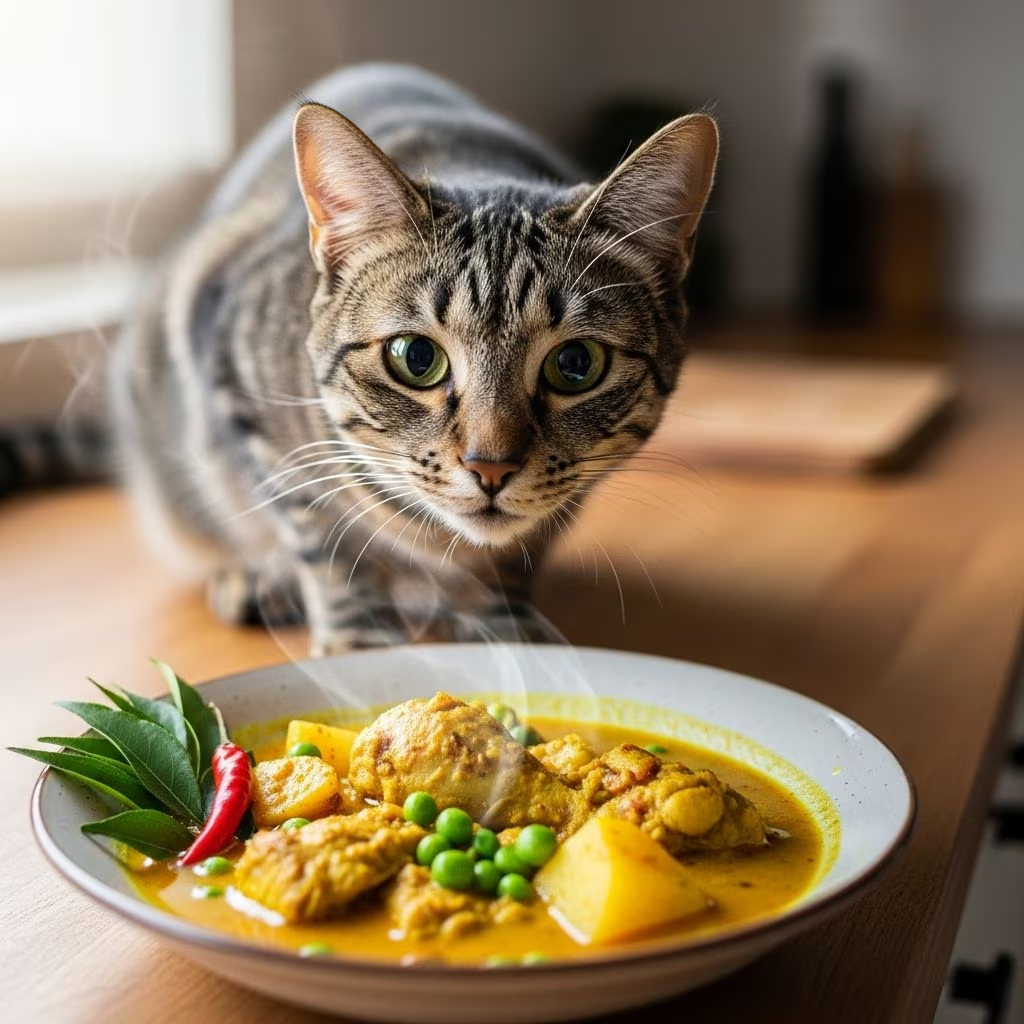
Curry, with its rich aromas and bold flavors, is a beloved dish for many humans, but it poses significant health risks to cats. Common ingredients like onions, garlic, and spicy seasonings can cause toxicity, digestive upset, or allergic reactions in felines. Cats have unique digestive systems that cannot process many human foods effectively, making curry an unsuitable choice. This article explores why cats should avoid curry entirely, potential symptoms to watch for, and safer alternatives to keep your pet healthy.
The Dangers of Feeding Curry to Cats
Cats are obligate carnivores, requiring a diet high in animal-based proteins and low in carbohydrates and spices. Curry disrupts this balance due to its complex blend of seasonings and often hidden toxic elements. Even small amounts can irritate the gastrointestinal tract or lead to severe conditions like hemolytic anemia.
Human foods seasoned heavily are rarely cat-safe, as felines lack the liver enzymes needed to metabolize certain compounds found in spices. Curry’s appeal to owners stems from sharing meals, but this temptation should be resisted to prevent emergencies. Veterinary experts unanimously advise against it, emphasizing species-appropriate nutrition for longevity and vitality.
Common Ingredients in Curry and Their Effects on Cats
Curry varies by region and recipe, but core ingredients consistently pose threats. Here’s a breakdown of the most problematic components:
- Onions and Garlic: These alliums contain N-propyl disulfide, which damages red blood cells, leading to anemia. Even trace amounts in powdered form are risky for cats due to their small size.
- Chili Peppers and Capsaicin: Hot spices cause oral burning, excessive salivation, vomiting, and diarrhea. Capsaicin irritates mucous membranes, and cats’ sensitivity amplifies effects.
- Turmeric and Cumin: Not acutely toxic, but these can provoke stomach upset, diarrhea, or allergies. No established safe dosage exists for cats, and benefits are unproven.
- Other Spices (Ginger, Coriander): Generally milder but still irritating; ginger may cause nausea in excess.
- Coconut Milk or Cream: High fat content risks pancreatitis; lactose intolerance adds diarrhea risk.
| Ingredient | Effect on Cats | Severity |
|---|---|---|
| Onions/Garlic | Red blood cell damage, anemia | High (potentially fatal) |
| Chili/Capsaicin | Oral/GI irritation, drooling | Moderate |
| Turmeric/Cumin | Stomach upset, allergies | Low-Moderate |
| Coconut Milk | Pancreatitis, diarrhea | Moderate |
This table highlights why no curry variant is reliably safe. Always check labels, as pre-made pastes often conceal alliums.
Potential Symptoms if Your Cat Eats Curry
If your cat sneaks a bite of curry, symptoms can appear within hours. Severity depends on quantity and ingredients. Monitor closely for 24-48 hours post-exposure.
- Gastrointestinal Signs: Vomiting, diarrhea, abdominal pain—common from spice irritation.
- Oral Distress: Drooling, pawing at mouth, reluctance to eat due to chili burn.
- Toxicity Indicators: Lethargy, weakness, pale gums, rapid breathing from anemia (onion/garlic).
- Advanced Symptoms: Jaundice, dark urine, collapse—emergency signs requiring immediate vet care.
- Dehydration Risks: From persistent vomiting/diarrhea, leading to sunken eyes and dry gums.
Early intervention improves outcomes. A tiny lick may cause mild upset, but never risk it—prevention is key.
Why Cats Should Avoid Curry Completely
Beyond immediate risks, curry offers no nutritional value for cats. Their diet should prioritize taurine-rich meats, not spice-laden carbs. Long-term exposure—even small tastes—can sensitize digestion or mask underlying issues.
Cats’ shorter digestive tracts suit raw-ish meats, not cooked, spiced stews. Spices may interact with meds like thyroid treatments, complicating care. Opt for commercial kibble/wet food meeting AAFCO standards for balanced nutrition.
Accidental ingestion is common in multi-pet homes; store curry securely. Educating family prevents mishaps, ensuring your cat thrives on feline-specific fare.
What to Do if Your Cat Eats Curry
Don’t panic, but act swiftly:
- Assess Amount: Tiny lick? Monitor. Larger amount? Call vet immediately.
- Prevent Dehydration: Offer fresh water; avoid milk (lactose issues).
- Observe Symptoms: Note onset, duration; video if possible for vet.
- Seek Professional Help: Contact vet or poison hotline (e.g., ASPCA at 888-426-4435). Blood tests may check anemia.
- Treatment: May include induced vomiting, activated charcoal, fluids, or transfusions for severe cases.
Never induce vomiting at home without guidance—risks aspiration. Prognosis is good with prompt care.
Is Any Curry Safe for Cats?
No commercial or homemade curry is guaranteed safe due to variability. ‘Mild’ versions still risk hidden toxins. Some owners experiment with plain broths, but vets discourage it—benefits don’t outweigh dangers.
Turmeric supplements lack cat-specific studies; anecdotal use isn’t endorsed. Stick to vet-approved probiotics or omega oils for gut health.
Cat-Safe Alternatives to Curry
Delight your cat without risks:
- Plain Cooked Meats: Chicken, turkey, fish—boiled, unseasoned.
- Commercial Treats: Freeze-dried liver or tuna flakes.
- Veggies Sparingly: Steamed pumpkin for fiber (no onions).
- Hydrating Foods: Wet food or bone broth (plain).
Limit treats to 10% of calories. Puzzle feeders add engagement mimicking hunt.
Conclusion
While curry tantalizes human palates, it’s hazardous for cats. Prioritize their carnivorous needs, avoiding spiced temptations. Vigilance and education safeguard health—consult vets for personalized advice. Your furry companion deserves a tail-wagging, toxin-free life.
Frequently Asked Questions (FAQs)
Q: Can a small taste of curry harm my cat?
A: Yes, even small amounts risk digestive upset or toxicity from onions, garlic, or spices. Avoid entirely.
Q: What spices in curry are toxic to cats?
A: Onions and garlic top the list, causing anemia. Chilies irritate; turmeric may upset stomachs.
Q: Is turmeric safe for cats in curry?
A: Not recommended; potential for upset without proven benefits. No safety studies in cats.
Q: What should I do if my cat ate curry accidentally?
A: Monitor for vomiting, lethargy; contact vet promptly. Provide water and follow professional guidance.
Q: Are there cat-friendly curry recipes?
A: No truly safe versions exist. Opt for plain proteins instead.
Q: How long do symptoms last after eating curry?
A: Mild upset: 12-48 hours. Toxicity: days to weeks without treatment.
References
- Can Cats Eat Curry? Safety & Risks Explained — Zoorithm. 2024. https://www.zoorithm.com/cats/can-cat-eat-curry
- Can cats eat a bit of curry without any harm? — Dial A Vet. 2024. https://www.dialavet.com/vet-answers/cat-ate-curry-health-risks-14865
- Can Cats Eat Curry? Nutritional Facts & Safety Guide — Hepper. 2024. https://articles.hepper.com/can-cats-eat-curry/
- 15 Human Foods Cats Can’t Eat — Rover.com. 2024. https://www.rover.com/blog/dangerous-foods-for-cats/
- The Golden Paste – Unsafe in Cats? — Food Fur Life. 2024. https://www.foodfurlife.com/turmeric–the-golden-paste—unsafe-for-cats.html



