

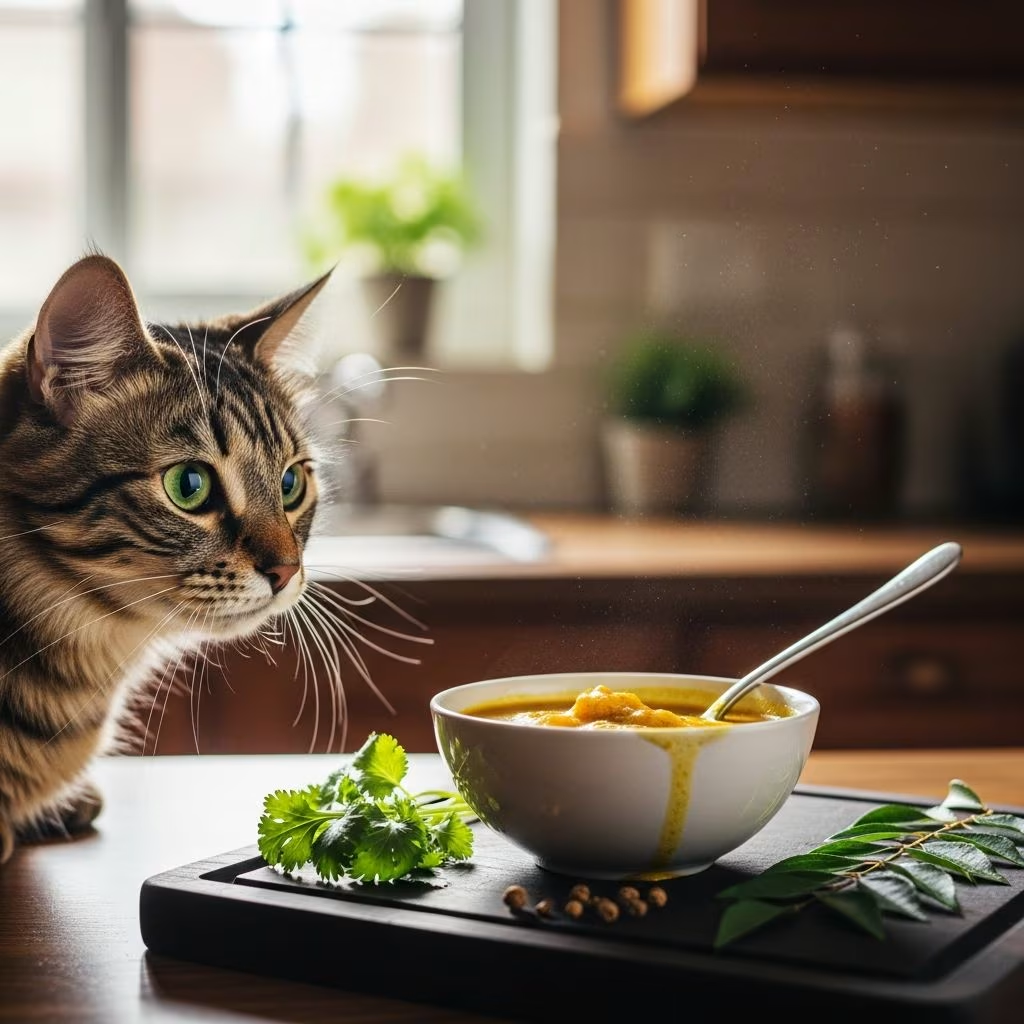
Can Cats Eat Curry? Understanding the Risks
As a cat owner, you may have wondered whether it’s safe to share your favorite curry dish with your feline companion. The short answer is no—cats should not eat curry. While it might be tempting to let your curious kitty have a taste of what you’re enjoying, curry poses several health risks that make it an inappropriate food choice for cats. Understanding these dangers is essential for keeping your pet safe and healthy.
Why Curry Is Unsafe for Cats
Curry dishes vary widely in their ingredients, but most traditional recipes contain components that are toxic or harmful to cats. The primary concerns with curry include the presence of toxic spices and aromatics that can damage a cat’s health. Unlike humans, cats have different metabolic processes and sensitivities to certain foods, making ingredients that are safe for us potentially dangerous for them.
The Dangerous Ingredients in Curry
Most curries share common ingredients that are known to be harmful to feline health. Two of the most problematic are onions and garlic, which are staple components in many curry recipes. These ingredients belong to the allium family and contain compounds that can cause serious damage to a cat’s red blood cells.
Garlic and Onions: The Primary Culprits
Garlic and onions are toxic to cats and pose a significant health threat. Unlike larger animals such as dogs, cats have a lower tolerance for these ingredients due to their smaller body weight and unique metabolism. Even a tiny amount of garlic or onions can trigger toxicity symptoms in cats, making them particularly vulnerable to poisoning from curry dishes.
When cats ingest garlic or onions, the compounds in these foods can damage their red blood cells, leading to a condition called Heinz body anemia. This occurs when the sulfoxide and disulfide compounds in these plants oxidize hemoglobin in the cat’s blood cells, making them fragile and prone to rupture. The damage accumulates over time or can occur rapidly depending on the amount consumed.
If you suspect your cat has eaten garlic or onions—or foods containing these ingredients—it is crucial to contact your veterinarian immediately. Prompt treatment, which may include induced vomiting and stomach decontamination, can prevent the onset of serious symptoms or reduce their severity.
Symptoms of Garlic and Onion Toxicity
Cat owners should be aware of the following warning signs that indicate possible garlic or onion poisoning:
- Sudden weakness or lethargy
- Exercise intolerance
- Fever
- Loss of appetite
- Reddish-brown urine (in severe cases)
- Pale lips, mouth, and gums
- Jaundice (yellowing of the skin and eyes)
- Shallow or labored breathing
- Fast or irregular heart rate
- Collapse or severe weakness
If you notice any of these symptoms in your cat, seek veterinary attention immediately. Do not wait for additional signs to develop, as prompt treatment can make a significant difference in your cat’s recovery.
Other Spice Concerns in Curry
Beyond garlic and onions, curry often contains other spices that can irritate a cat’s digestive system and mouth. Chili peppers and capsaicin—a compound found in hot peppers—are common curry ingredients that may cause discomfort and gastrointestinal issues in cats.
These spices can lead to:
- Mouth and throat irritation
- Excessive drooling
- Gastrointestinal distress
- Respiratory symptoms (in some cases)
While chili peppers are not officially listed as toxic by the ASPCA, they belong to plant families with known toxic species, so caution is strongly advised. The irritation caused by these spices can be uncomfortable for your cat and may lead to eating reluctance or digestive upset.
What Happens If Your Cat Eats a Small Amount of Curry?
You may be wondering if a tiny lick or small taste of curry would cause serious harm. In many cases, a very small amount of curry is unlikely to cause severe immediate harm, particularly if it does not contain significant quantities of garlic and onions. However, this does not mean curry is safe for cats.
The risk level depends on several factors:
- The amount of curry consumed
- The specific ingredients in the curry (especially garlic and onion content)
- Your cat’s age and overall health
- Your cat’s weight and size
Even if your cat consumes only a small amount, you should monitor them carefully for any signs of distress or discomfort. It’s understandable to worry if your cat has gotten into your curry, but remaining calm and observant is the best approach.
What to Do If Your Cat Eats Curry
If your cat has consumed curry, follow these steps:
Immediate Actions
- Assess the situation: Determine what your cat ate, how much, and what ingredients were in the curry.
- Monitor your cat: Watch for any signs of stomach upset or unusual behavior.
- Contact your veterinarian: Call your vet, especially if the curry contained garlic or onions, or if your cat ate more than a tiny amount.
- Describe the ingredients: Provide your vet with a list of curry ingredients, paying special attention to garlic and onion content.
- Follow professional guidance: Your veterinarian may recommend bringing your cat in for an examination or inducing vomiting as a precautionary measure.
Symptoms to Monitor
Keep a close eye on your cat for the following symptoms in the hours and days following curry ingestion:
- Vomiting or retching
- Diarrhea
- Excessive drooling
- Loss of appetite
- Lethargy or unusual tiredness
- Abdominal pain or discomfort
- Changes in behavior
If any of these symptoms appear, contact your veterinarian immediately. Early intervention can prevent complications and ensure your cat receives appropriate treatment.
Is Curry Ever Safe for Cats?
While some cat owners have made curry dishes specifically for their cats by excluding toxic ingredients like garlic and onions, this is not recommended for several reasons.
Even a plain, kitty-friendly curry made with only safe ingredients and cooked meat would offer no nutritional benefit to your cat. Cats are obligate carnivores with specific dietary requirements, and they do not need the spices or added ingredients found in curry. Additionally, allowing your cat to become accustomed to curry—even a plain version—may lead to stomach upset or digestive issues.
It’s best to keep curry off your cat’s menu entirely and stick to species-appropriate foods that meet their nutritional needs.
Safe Food Alternatives for Your Cat
If you want to share a treat with your feline friend, consider these safe options instead:
- Plain cooked chicken meat (without seasonings, bones, or skin)
- Cooked turkey
- Boiled eggs
- Commercial cat treats formulated for feline nutrition
- Small amounts of cooked, plain fish (like salmon or tuna, but not as a regular diet)
- Cat-safe fruits and vegetables in moderation (carrots, blueberries, watermelon without seeds)
Always introduce new foods gradually and in small quantities. Before making any changes to your cat’s diet, consult with your veterinarian to ensure the food is appropriate for your cat’s age, health status, and individual needs.
Other Spices to Avoid
Beyond curry itself, there are several spices commonly used in cooking that should never be given to cats:
- Black pepper
- Onion powder
- Garlic powder
- Chili powder
- Nutmeg
- Cinnamon (in large amounts)
If you’re preparing food for yourself and your cat is nearby, be careful not to let them access seasoned dishes. Use separate utensils and cutting boards to prevent cross-contamination, and store spices and seasonings where your cat cannot reach them.
Understanding Your Cat’s Sense of Smell
Cats have an incredibly strong sense of smell—much more powerful than humans—which is why they may be attracted to the aroma of curry cooking in your kitchen. This keen olfactory ability means your cat might show particular interest in savory, aromatic dishes. However, their attraction to the smell does not mean the food is safe for them to eat.
If your cat shows interest in your curry, gently redirect them to their own food or toys rather than allowing them to investigate your plate.
Frequently Asked Questions
Q: What should I do if my cat ate something spicy?
A: Monitor your cat for any signs of stomach upset like vomiting or diarrhea. If you notice any concerning symptoms, contact your vet immediately. For curry or dishes containing garlic and onions, seek veterinary advice right away, even if your cat only consumed a small amount.
Q: Can cats safely consume any spices?
A: Most spices are not safe for cats and should be avoided. Common cooking ingredients like onion, garlic, chili peppers, and black pepper can be toxic or irritating to cats. It’s best to keep all seasoned human food away from your feline.
Q: What symptoms should I watch out for after my cat eats something unusual?
A: Keep an eye out for vomiting, diarrhea, excessive drooling, loss of appetite, or lethargy. If your cat shows any of these signs, seek veterinary advice promptly. For potential garlic or onion ingestion, also watch for weakness, pale gums, and changes in urine color.
Q: Is a tiny lick of curry dangerous?
A: A tiny lick is unlikely to cause severe harm, but you should still monitor your cat carefully. If the curry contains garlic or onions, contact your veterinarian for professional guidance, as even small amounts can be problematic for cats.
Q: Can I make curry without garlic and onions for my cat?
A: While it’s technically possible to make a curry without these toxic ingredients, there’s no reason to do so. Your cat will not benefit from curry, and it may cause digestive upset. Stick to species-appropriate cat foods instead.
Conclusion: Keep Curry Off Your Cat’s Menu
While it may be tempting to share your favorite foods with your beloved cat, curry is not an appropriate choice for feline consumption. The presence of toxic ingredients like garlic and onions, combined with spices that can irritate the digestive system, makes curry a food best kept away from your pet.
As a responsible cat owner, prioritize your cat’s health and safety by offering only species-appropriate foods and treats. If your cat accidentally consumes curry, monitor them closely and contact your veterinarian if any concerning symptoms develop. By understanding which foods are safe and unsafe for cats, you can ensure your feline friend enjoys a long, healthy, and happy life.
References
- Can cats eat a bit of curry without any harm? — Dial A Vet. 2024. https://www.dialavet.com/vet-answers/cat-ate-curry-health-risks-14865
- Can Cats Eat Curry? Nutritional Facts & Safety Guide — Hepper. 2024. https://articles.hepper.com/can-cats-eat-curry/
- 15 Human Foods Cats Can’t Eat — Rover.com. 2024. https://www.rover.com/blog/dangerous-foods-for-cats/
- The Golden Paste – Unsafe in Cats? — Food Fur Life. 2024. https://www.foodfurlife.com/turmeric–the-golden-paste—unsafe-for-cats.html
- What NOT to Feed Your Cat — Catnetting. 2024. https://catnetting.com/blogs/cat-demy/what-not-to-feed-your-cat



