

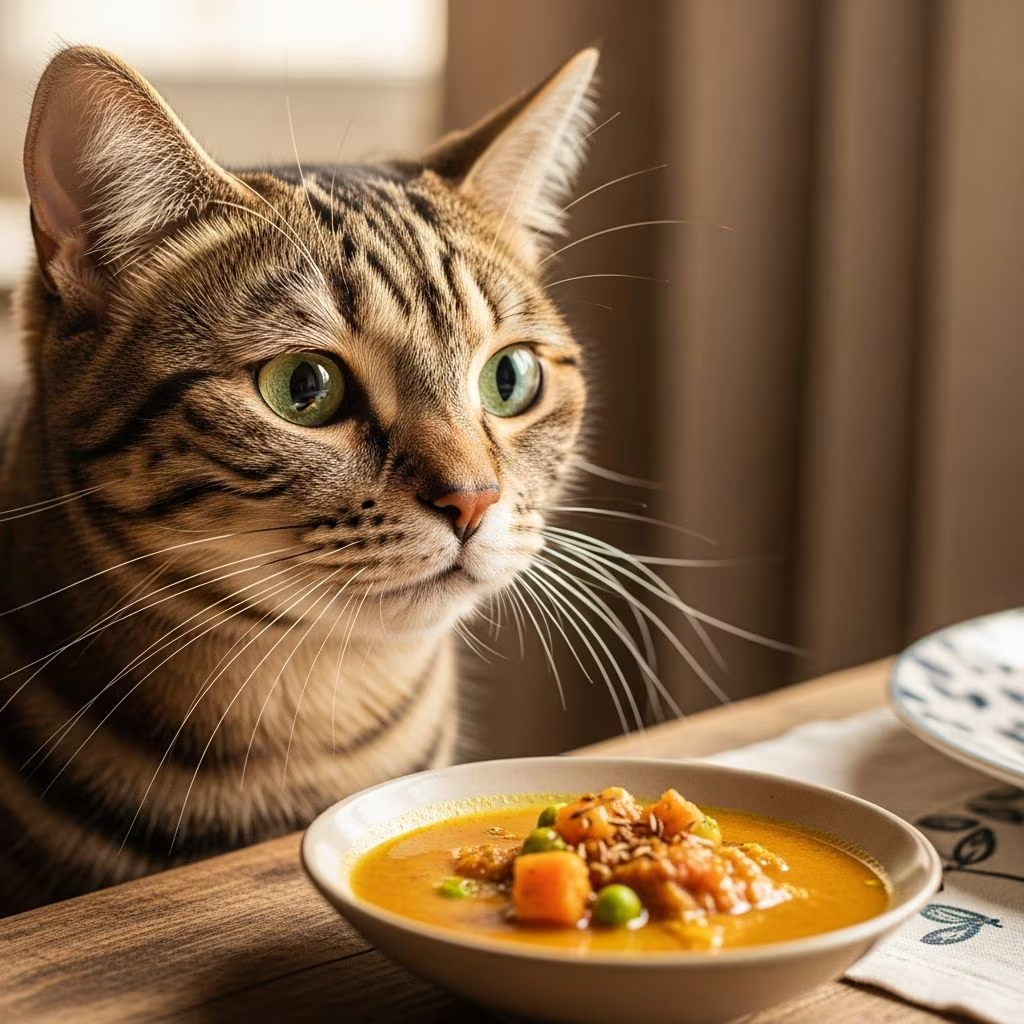
Curry is a flavorful staple in many human diets, but when it comes to our feline friends, the question arises: can cats eat curry? The short answer is no. Many ingredients commonly found in curry, such as garlic, onions, and various spices, pose significant health risks to cats. These can range from mild digestive upset to severe toxicity. This comprehensive guide explores why curry is unsafe for cats, breaks down specific curry varieties, addresses common concerns like spiced chicken or spicy foods, and provides actionable advice if your cat accidentally consumes curry.
Is Curry Good for Cats?
No, curry is not good for cats and can be harmful. While humans enjoy curry for its rich flavors and potential health benefits like antioxidants from spices such as turmeric, these advantages do not translate to cats. Cats have unique nutritional needs as obligate carnivores, requiring a diet high in animal-based proteins with minimal plant matter or spices.
The primary issue lies in the composition of most curries. Common base ingredients include onions and garlic from the Allium family, which are toxic to cats. These contain compounds like N-propyl disulfide that damage red blood cells, leading to hemolytic anemia. Even small amounts can cause symptoms such as vomiting, diarrhea, weakness, and pale gums. Spices like cumin, coriander, turmeric, and chili can irritate the gastrointestinal tract, causing discomfort, excessive drooling, or inflammation.
Furthermore, curries often contain oils, creams, or sodium-rich sauces that exacerbate issues. Cats lack certain enzymes to process dairy or high-fat foods efficiently, increasing risks of pancreatitis or obesity. There are no established benefits of curry for cats, and veterinary experts unanimously advise against it. Instead, stick to commercially prepared cat foods formulated to meet AAFCO standards for complete nutrition.
Can Cats Eat Korma?
Korma, a creamy and mild curry often made with yogurt, nuts, and meat, might seem like a gentler option, but cats should not eat korma. Despite its subdued spice level, korma typically includes toxic Allium vegetables like onions and garlic in the base. These ingredients alone make it dangerous.
Additionally, the dairy content in korma sauce—yogurt or cream—poses problems since many cats are lactose intolerant after weaning. Lactose intolerance leads to bloating, gas, diarrhea, and stomach cramps as cats cannot digest the sugars in milk products. Nuts like almonds or cashews, if used, present choking hazards or high-fat risks that could trigger gastrointestinal upset.
- Onions and garlic: Toxic; cause anemia.
- Dairy (yogurt/cream): Leads to lactose intolerance symptoms.
- Spices and nuts: Irritate digestion; potential allergens.
- High fat and sodium: Risk of pancreatitis or hypertension.
If you’re tempted to share, opt for plain, unseasoned boiled meat instead. Always consult a vet before introducing human foods.
Can Cats Eat Butter Chicken?
Butter chicken, with its tomato-based sauce, butter, cream, and milder spices, is another curry variant cat owners sometimes consider. However, butter chicken is not safe for cats. Like other curries, it often contains garlic, onions, or ginger in the marinade and sauce, which are toxic.
The high dairy and fat content from butter and cream can cause digestive distress, especially in lactose-intolerant cats. Tomatoes, while not inherently toxic in small ripe amounts, can be problematic in concentrated sauces due to acidity irritating the stomach lining. Sodium levels are elevated, potentially leading to thirst, electrolyte imbalances, or heart strain over time.
Plain cooked chicken is a safe treat—cats thrive on it as a protein source—but adding any sauce or seasoning negates this. Limit treats to 10% of daily calories to avoid nutritional imbalances.
Can Cats Eat Chicken with Spices?
Plain cooked chicken is safe for cats, but spiced chicken is not. Cats can enjoy boneless, skinless chicken breast boiled or baked without additives as an occasional treat. However, introducing spices changes everything. Garlic powder, onion powder, salt, pepper, or herbs like oregano can harm cats.
Spices irritate the sensitive feline digestive system, which is optimized for meat, not seasonings. Cats have fewer taste buds for sweetness and bitterness, making them more reactive to irritants like capsaicin in peppers. Symptoms include oral pain, drooling, vomiting, and diarrhea. Chronic exposure might lead to liver strain from processing unfamiliar compounds.
| Ingredient | Safe for Cats? | Risks |
|---|---|---|
| Plain Chicken | Yes | None (in moderation) |
| Garlic/Onion Spices | No | Toxicity, anemia |
| Chili/Pepper | No | GI irritation, pain |
| Salt | No (excess) | Thirst, hypertension |
Consult your vet for spice safety; when in doubt, leave it out.
Can Cats Eat Spicy Food?
Cats should never eat spicy food. Spiciness comes from capsaicin in chili peppers, which triggers pain receptors in mammals. Cats, with their sensitive mouths and throats, experience burning sensations, excessive salivation, pawing at the mouth, and vomiting.
Even mild heat can cause gastritis or ulcers. Long-term, repeated exposure might desensitize but still risks nutrient malabsorption. Some cats avoid spicy smells instinctively, but curious ones may lick countertops. Prevention is key: secure counters and educate household members.
- Immediate effects: Drooling, head shaking, lip licking.
- Digestive: Diarrhea, bloody stools.
- Severe: Dehydration, lethargy—vet emergency.
If ingestion occurs, offer water and monitor; seek vet care for persistent symptoms.
What Happens If a Cat Eats Curry?
If your cat eats curry, effects depend on quantity, ingredients, and your cat’s health. A tiny lick might cause mild upset, but larger amounts risk toxicity.
Symptoms to watch:
- Vomiting or diarrhea
- Excessive drooling or thirst
- Lethargy or weakness
- Pale gums (anemia sign)
- Loss of appetite
Act quickly: Contact your vet or a pet poison hotline. Do not induce vomiting without guidance. Provide fresh water and a bland diet temporarily if advised. Prevention through secure storage is best.
Conclusion
In summary, cats cannot safely eat curry due to toxic ingredients, irritants, and mismatch with feline nutrition. Skip sharing human meals; offer vet-approved treats like freeze-dried meat or commercial options. A balanced cat food diet ensures health—consult your vet for personalized advice. Your cat’s well-being is worth forgoing that flavorful bite!
Frequently Asked Questions (FAQs)
What should I do if my cat ate curry?
Monitor for symptoms like vomiting or lethargy. Contact your vet immediately, especially if onions/garlic were involved. Small amounts may pass, but professional advice is crucial.
Can cats eat any curry spices?
No, most are unsafe. Garlic, onions, and chili are toxic or irritating. Turmeric lacks cat-specific safety data.
Is a small lick of curry harmful?
Usually not severely, but watch for upset. Spices can irritate; Alliums pose risks even in traces.
What are safe treats for cats?
Plain cooked meats, commercial treats. Avoid seasonings.
How can I prevent my cat from eating human food?
Store securely, distract with toys, feed scheduled meals.
References
- Can Cats Eat Curry? Vet-Reviewed Facts & FAQ — Catster. 2023-10-15. https://www.catster.com/cat-health-care/can-cats-eat-curry/
- Can cats eat a bit of curry without any harm? — Dial A Vet. 2024-05-20. https://www.dialavet.com/vet-answers/cat-ate-curry-health-risks-14865
- The Golden Paste – Unsafe in Cats? — Food Fur Life. 2022-08-10. https://www.foodfurlife.com/turmeric–the-golden-paste—unsafe-for-cats.html
- 15 Human Foods Cats Can’t Eat — Rover.com. 2024-01-12. https://www.rover.com/blog/dangerous-foods-for-cats/



