

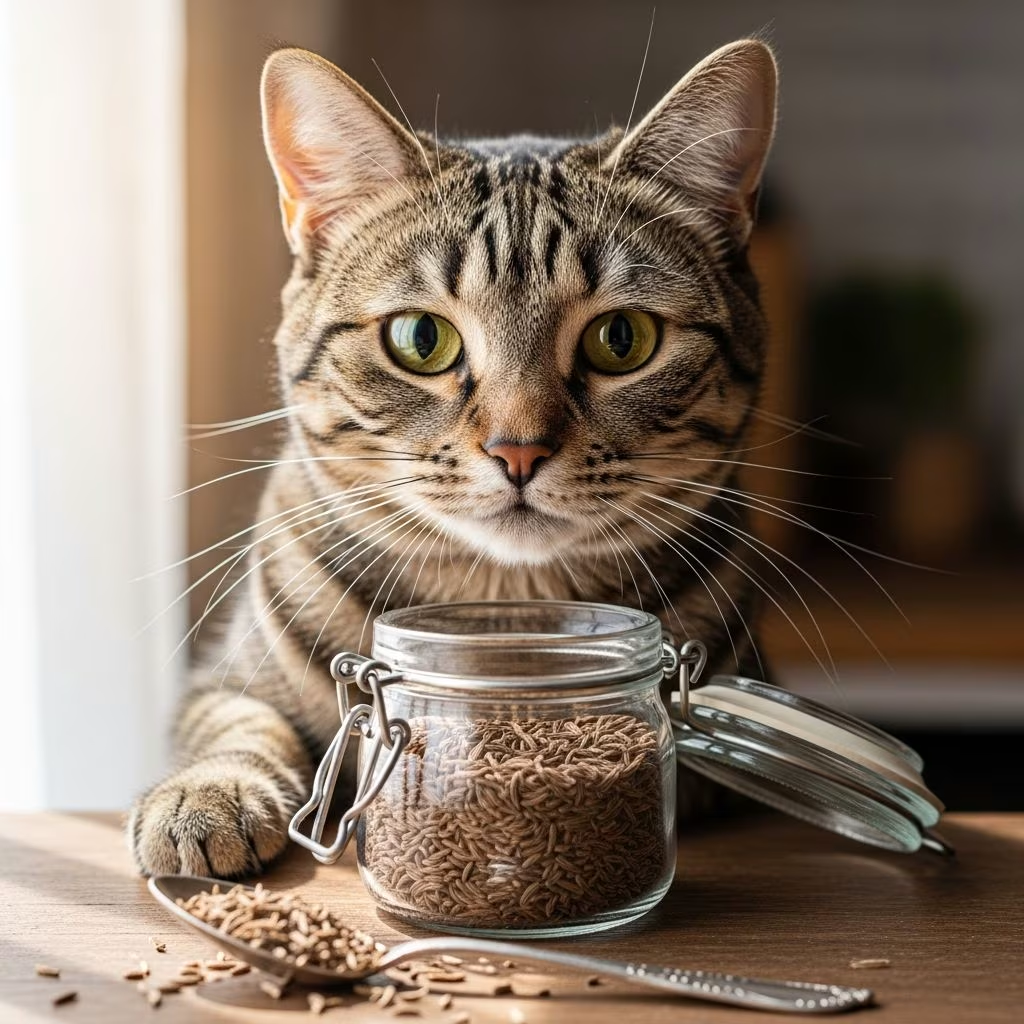
Cumin (Cuminum cyminum) is a popular spice in human cuisines worldwide, prized for its earthy, warm flavor and aroma. As an obligate carnivore, your cat has vastly different nutritional needs than humans. While cumin is not toxic to cats, it provides no nutritional value and can cause mild digestive issues if consumed in larger quantities. This article dives deep into the safety profile of cumin for cats, potential risks, distinctions from black cumin, and best practices for pet owners.
The Nutritional Profile of Cumin: What Humans Love, Cats Don’t Need
Cumin seeds are derived from the Cuminum cyminum plant, native to the Mediterranean and Iran. They are rich in antioxidants, iron, manganese, and compounds like cuminaldehyde, which contribute to their distinctive taste. Humans often use cumin for digestive aid, anti-inflammatory effects, and flavor enhancement in dishes like curries, soups, and rubs.
For cats, however, these benefits do not translate. Cats lack the taste buds to appreciate spices—possessing only about 470 compared to humans’ 9,000—and cannot taste sweetness. Their highly acidic stomachs and short digestive tracts are optimized for meat proteins, not plant-based spices. No peer-reviewed studies demonstrate health benefits of cumin for felines, and veterinary sources emphasize sticking to complete, balanced cat foods.
- Key cumin nutrients irrelevant to cats: Iron (supports oxygen transport in humans, but cats get ample from meat).
- Manganese (antioxidant in humans; cats synthesize via other pathways).
- Cuminaldehyde (flavor compound; potentially irritating to cat GI tract).
In essence, while cumin enhances human meals, it’s superfluous and potentially disruptive for cats.
Is Cumin Safe for Cats? Vet-Verified Facts
Veterinary consensus holds that cumin is non-toxic to cats, as confirmed by animal poison control centers and experts. Small, accidental ingestions—such as licking spilled powder or nibbling a cumin-dusted treat—rarely cause issues. However, moderation is critical; larger amounts (e.g., a teaspoon or more) may irritate the gastrointestinal system.
One source notes variability in cat reactions, advising owners to monitor for upset after any spice introduction. Cats’ heightened sense of smell may deter them from cumin-heavy foods anyway, given its pungent aroma.
| Amount Ingested | Potential Effects | Action Recommended |
|---|---|---|
| Tiny (lick/spill) | None or minimal | Observe casually |
| Small (pinch) | Mild discomfort possible | Monitor 24 hours |
| Large (tsp+) | Vomiting, diarrhea | Contact vet |
Potential Risks and Side Effects of Cumin for Cats
Although not poisonous, cumin can provoke digestive upset due to its essential oils and fiber content, which overwhelm a cat’s meat-centric gut. Common symptoms include:
- Vomiting
- Diarrhea or loose stools
- Decreased appetite
- Abdominal discomfort or gas
- Lethargy in sensitive cats
Sensitive individuals, like kittens, seniors, or those with pre-existing GI conditions (e.g., IBD), face higher risks. One veterinary Q&A explicitly cautions against cumin for digestive remedies, citing irritation potential over benefits. Repeated exposure could exacerbate issues, leading to chronic discomfort.
Owners report rare allergic reactions, manifesting as itching or swelling, though unstudied in felines. Always prioritize vet-approved diets over experimental spice additions.
Black Cumin vs. Regular Cumin: A Critical Distinction
Confusion arises between regular cumin (Cuminum cyminum) and black cumin (Nigella sativa), also called black seed. Regular cumin powder or seeds are generally safe in trace amounts, but black cumin oil is potentially toxic.
Black cumin oil contains thymoquinone and other concentrated compounds harmful to cats, risking liver damage, neurological symptoms, seizures, or fatality. Even small doses can cause severe illness. Products marketed as ‘black seed oil’ or ‘nigella oil’ for pets should be avoided entirely.
- Regular cumin: Safe in tiny amounts; no proven benefits.
- Black cumin oil: Toxic; liver/neuro risks.
Check labels carefully—many supplements blend the two misleadingly.
Health Benefits of Cumin for Cats: Myth vs. Reality
Humans tout cumin for digestion, immunity, and weight management, but cats derive zero advantages. As obligate carnivores, they produce their own vitamins (e.g., taurine, arachidonic acid) absent in plants. No ASPCA, Pet Poison Helpline, or AVMA studies support cumin’s use in feline health.
Claims of flea-repelling properties lack evidence; veterinary dermatologists recommend FDA-approved treatments instead. For digestion, probiotics or prescription diets outperform spices. Dial A Vet stresses natural remedies aren’t always pet-safe.
How to Safely Offer Cumin to Cats (If at All)
Intentional feeding isn’t advised, but if experimenting:
- Consult your vet first, especially for health-compromised cats.
- Use ground cumin: Easier to portion than seeds.
- Start minuscule: A single seed or 1/16 tsp pinch per meal.
- Mix into wet food: Avoid dry mixes that could cause choking.
- Frequency: Once weekly max; discontinue if any reaction.
Cumin seeds can be tried sparingly, but monitor for tummy upset. Never use in baked goods, as fats/oils compound risks.
What to Do If Your Cat Eats Cumin
Accidents happen—spilled spices attract curious noses. Steps:
- Assess amount: Tiny spill? Likely fine.
- Watch symptoms: 24-48 hours for vomiting/diarrhea.
- Hydrate: Offer fresh water.
- Call vet/poison control: If large ingestion or distress (e.g., Pet Poison Helpline: 888-426-4435).
- Prevent recurrence: Store spices in cat-proof cabinets.
Most cases resolve without intervention, but prompt action prevents escalation.
Alternatives: Cat-Safe Herbs and Spices
Focus on feline-friendly options:
- Catnip/Valerian: Safe stimulants for play.
- Cat thyme: Mild digestive aid.
- Chamomile (dilute tea): Calming, vet-approved in moderation.
- Avoid: Onion/garlic family, nutmeg, cinnamon.
Commercial treats with approved herbs outperform home experiments.
FAQs
Is cumin toxic to cats?
No, regular cumin is non-toxic but can cause GI upset in excess. Avoid black cumin oil.
Can cats have cumin seeds or powder?
Yes, tiny amounts; monitor for reactions. Seeds are safe but harder to dose precisely.
What if my cat ate a lot of cumin?
Expect possible vomiting/diarrhea. Contact vet if symptoms persist beyond 24 hours.
Does cumin help cat digestion or fleas?
No evidence for benefits; use vet remedies instead.
Is black cumin safe for cats?
No, black cumin oil is toxic and can cause liver damage.
Final Thoughts for Cat Parents
While cumin won’t harm your cat in trace exposures, it offers no upside to their meat-based diet. Prioritize AAFCO-approved foods, fresh water, and annual vet checkups. Secure your kitchen to prevent mishaps, ensuring your feline thrives on species-appropriate nutrition. When in doubt, consult a veterinarian—your cat’s health is worth it.
References
- Can Cats Have Cumin? A Safety Guide for Pet Owners — PetsCare.com. 2024. https://www.petscare.com/news/post/can-cats-have-cumin-safety-guide
- Can Cats Eat Cumin? Vet-Verified Nutritional Info & Safety Guide — Hepper. 2024. https://articles.hepper.com/can-cats-eat-cumin/
- Can I give cumin as a remedy for my cat’s digestive issues? — Dial A Vet. 2024. https://www.dialavet.com/vet-answers/cumin-remedy-cat-digestive-issues-53676
- Black Seed Cumin Oil – Is It Safe for Your Cat? — Telia Shop. 2023. https://www.teliashop.com/en/blog/post/black-cumin-oil-and-cats.html
- 14 Herbs Safe for Cats – and 9 To Avoid — Whisker. 2024. https://www.whisker.com/blog/14-herbs-safe-for-cats



