

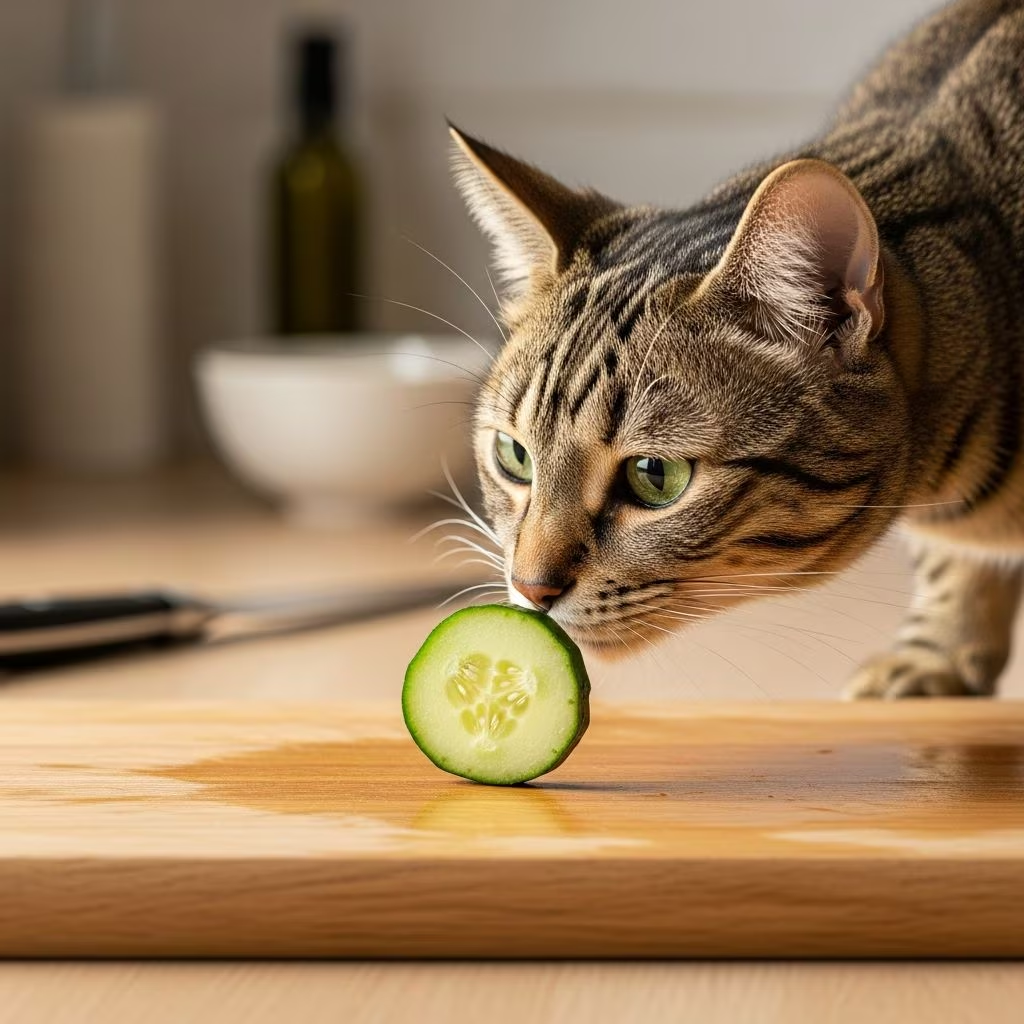
Can Cats Eat Cucumbers? A Complete Feline Nutrition Guide
As a cat owner, you may have wondered whether it’s safe to share your fresh vegetables with your feline companion. Cucumbers are a common household food that many people enjoy, and if you’ve noticed your cat showing interest in this crunchy vegetable, you’re likely asking whether it’s a safe treat option. The good news is that yes, cats can eat cucumbers, and when served properly, they can even offer some nutritional benefits. However, there are important guidelines to follow to ensure your cat enjoys cucumbers safely and in appropriate quantities.
Cats are obligate carnivores, meaning their bodies are designed to thrive primarily on meat-based diets. While they don’t need fruits or vegetables to survive, offering occasional treats like cucumbers can be a healthy way to provide variety in their diet and introduce them to new textures and flavors. Understanding how to properly prepare and serve cucumbers to your cat is essential for preventing digestive issues and ensuring this treat remains a positive addition to their diet.
Health Benefits of Cucumbers for Cats
Hydration Support
One of the most significant benefits of cucumbers for cats is their exceptional hydration properties. Cucumbers consist of approximately 95 percent water content, making them an excellent source of additional fluid intake for your feline friend. This high water composition makes cucumbers particularly valuable for cats who don’t naturally drink enough water throughout the day, which is a common concern among cat owners.
Proper hydration is crucial for maintaining your cat’s overall health and preventing serious conditions. Insufficient water intake can lead to dehydration, which poses risks including kidney problems and urinary tract infections. Cats who consume only dry kibble without wet food are especially vulnerable to dehydration-related issues. By offering cucumber slices as an occasional treat, you provide an additional hydration source that can be particularly helpful during hot summer months or for cats with specific health conditions like urinary tract disease or early-stage kidney problems. The satisfying crunch of fresh cucumber can make hydration more appealing to cats who might otherwise ignore their water bowls.
Low in Calories
Another substantial advantage of cucumbers is their minimal caloric content. These vegetables are an excellent choice for cats that need to maintain a healthy weight or those already watching their calorie intake. With virtually no sugar and minimal fat content, cucumbers provide a satisfying treat without the risk of contributing to weight gain, which can lead to obesity-related health complications in cats.
For pet owners looking to replace high-calorie commercial treats or human food scraps with something healthier, cucumbers offer a guilt-free alternative. A few small pieces of cucumber can satisfy your cat’s curiosity about new foods without impacting their daily calorie balance. This makes cucumbers particularly suitable for senior cats or those with weight management concerns.
High in Nutrients and Fiber
While cats derive most of their essential nutrients from high-quality animal protein sources, cucumbers do offer several vitamins and minerals that contribute to overall wellness:
Vitamin K: This essential vitamin plays a critical role in blood clotting mechanisms and supports proper liver function. While your cat’s regular diet should provide adequate vitamin K, the additional amounts from cucumber snacks present no harm.
Vitamin C: Acting as an antioxidant, vitamin C supports your cat’s immune system and contributes to their overall health. Although cats can synthesize some vitamin C on their own, dietary sources provide supplementary support.
Molybdenum: This trace mineral supports your cat’s metabolic functions and plays a role in enzyme activity throughout their body.
Magnesium: This mineral participates in various bodily functions, including muscle and nerve function, blood glucose control, and blood pressure regulation.
Potassium: Essential for regulating blood pressure and maintaining proper muscle and nerve function. While potassium is important, it’s worth noting that excessive potassium levels can potentially affect feline kidney function, so moderation is important.
Fiber content in cucumbers, particularly in the skin, can benefit digestive health by promoting healthy stool consistency and supporting beneficial gut microbes. However, because cats’ digestive systems are not naturally adapted to process large amounts of fiber, careful portion control is necessary to avoid digestive upset.
Dental Health Considerations
The crunchy texture of fresh cucumber can provide a mild mechanical cleaning action that may support dental hygiene. While cucumbers shouldn’t replace professional dental care or dental treats designed specifically for this purpose, the satisfying crunch can contribute to overall oral health maintenance.
Important Safety Considerations for Serving Cucumbers
Cucumber Skin and Pesticides
When preparing cucumbers for your cat, the question of whether to peel them or leave the skin intact is important. While unpeeled cucumbers contain more nutrients, particularly fiber and vitamins concentrated just under the skin, they may also contain pesticide residues if not grown organically. The safest approach is to purchase organic cucumbers from reputable sources such as farmers’ markets or farm stands, or to grow your own cucumbers in a pesticide-free garden environment.
If you cannot source organic cucumbers, it’s recommended to peel them before offering them to your cat to minimize exposure to potentially harmful pesticide residues. This sacrifice in nutrient density is worthwhile for ensuring your cat’s safety.
Fiber and Digestive Health
While fiber can be beneficial for cats in appropriate quantities, consuming too much cucumber skin can lead to digestive disturbances. Cats’ digestive systems are specialized for processing meat proteins and are not naturally equipped to handle large fiber loads. Introducing cucumber gradually and in small amounts allows your cat’s digestive system to adapt without causing diarrhea, constipation, or general gastrointestinal upset.
Start by offering only a small bite-sized piece and monitor your cat’s response over several days before increasing the amount or frequency. This careful introduction helps you determine your individual cat’s tolerance level and dietary needs.
Cucumber Plants and Toxicity
If you’re growing cucumbers in your home or garden, you may wonder whether other parts of the cucumber plant pose any danger to your cat. The good news is that cucumber plants, including their leaves and vines, are not toxic to cats. This means you can safely maintain cucumber plants in your home or garden without worrying about accidental ingestion causing harm to your feline companion.
Nutritional Comparison: What Cats Actually Need
It’s crucial to understand that while cucumbers offer supplementary nutrients and hydration, they should never replace a balanced, high-quality feline diet. Cats are obligate carnivores whose nutritional requirements center on animal protein, taurine, and other amino acids that are most effectively obtained from meat sources.
| Nutrient | Cat’s Primary Source | Cucumber’s Role | Importance for Cats |
|---|---|---|---|
| Protein | Meat and fish | Minimal | Essential for muscle maintenance |
| Taurine | Meat products | None | Critical for heart and eye health |
| Vitamin K | Commercial cat food | Supplementary | Blood clotting and liver health |
| Water/Hydration | Wet food and water bowls | Excellent source | Kidney and urinary health |
| Fiber | Some commercial foods | Moderate amount | Digestive health support |
Your cat should continue receiving all their primary nutrition from high-quality cat food formulated to meet feline nutritional standards. Cucumbers should be considered an occasional treat or supplement, not a dietary staple.
How to Properly Serve Cucumbers to Your Cat
Preparation Methods
To ensure your cat enjoys cucumber safely, follow these preparation guidelines:
Washing: Thoroughly rinse the cucumber under running water to remove dirt and surface contaminants. If not purchasing organic, consider this step even more critical.
Peeling: For non-organic cucumbers, remove the skin to minimize pesticide exposure. If using organic cucumbers and your cat tolerates them well, leaving the skin intact preserves more nutrients and fiber.
Cutting: Slice the cucumber into small, bite-sized pieces that are appropriate for your cat’s mouth size. Avoid offering large chunks that could present choking hazards.
Removing Seeds: While cucumber seeds are not toxic to cats, some owners prefer to scoop them out before offering the vegetable. This step is not strictly necessary but can reduce potential digestive irritation for sensitive cats.
Serving Frequency and Portion Sizes
Moderation is the key principle when incorporating cucumbers into your cat’s diet. A couple of small pieces offered occasionally represents an appropriate serving size for most cats. Experts recommend limiting cucumber treats to no more than a few times per week at maximum.
Most cats won’t be particularly interested in cucumbers, so don’t be surprised if your feline companion sniffs and walks away. Every cat has individual preferences, and that’s completely normal and healthy. Never force your cat to eat cucumbers or any food they’re not interested in.
Temperature and Freshness
Serve cucumber at room temperature or slightly chilled, depending on your cat’s preference. Fresh, crisp cucumbers are preferable to soft or aged specimens. Discard any uneaten cucumber pieces after a short time to prevent bacterial growth and foodborne illness.
Signs of Cucumber Intolerance in Cats
After introducing cucumber, monitor your cat for any signs of digestive upset or adverse reactions. Contact your veterinarian if you notice:
Diarrhea or loose stools: This may indicate your cat’s system is sensitive to the fiber content or quantity offered.
Vomiting: While occasional vomiting isn’t always alarming, repeated vomiting after cucumber consumption suggests this treat isn’t suitable for your cat.
Loss of appetite: If your cat shows decreased interest in their regular food after eating cucumber, discontinue offering this treat.
Lethargy or behavioral changes: Any unusual behavior warrants veterinary attention.
Allergic reactions: Swelling around the mouth or face, though rare, requires immediate veterinary care.
Frequently Asked Questions About Cats and Cucumbers
Can kittens eat cucumbers?
Yes, kittens can eat small amounts of cucumber once they’ve been weaned and introduced to solid foods. However, kittens’ primary nutrition should come entirely from kitten formula or high-quality kitten food. Introduce cucumber very gradually and in minute quantities, as kittens’ digestive systems are still developing.
Can senior cats benefit from cucumbers?
Senior cats can absolutely enjoy cucumbers, and for some, the hydration benefits may be particularly valuable. Older cats sometimes struggle with maintaining adequate water intake, and cucumber can be an appealing way to increase their fluid consumption without forcing them to drink plain water.
Are there any cats that should avoid cucumbers?
Cats with certain health conditions should avoid cucumbers or consume them only under veterinary guidance. Cats with kidney disease should be cautious about potassium-containing foods. Cats with sensitive digestive systems or a history of gastrointestinal issues should avoid cucumber due to its fiber content. Always consult your veterinarian before introducing new foods to cats with existing health conditions.
Can I cook cucumber for my cat?
While raw cucumber is preferable for maintaining nutrient content, cooked cucumber is technically safe for cats. However, cooking reduces the water content and nutritional density, making raw cucumber the superior option.
What if my cat eats too much cucumber?
If your cat consumes a large quantity of cucumber, monitor them closely for signs of digestive upset. Most likely, excessive cucumber consumption will cause mild diarrhea or loose stools that resolve within 24 hours. Ensure your cat has access to fresh water and their normal diet. Contact your veterinarian if symptoms persist or worsen.
Better Hydration Alternatives for Cats
While cucumbers provide hydration, they’re just one option for encouraging water intake in your cat. Consider these additional strategies:
Wet Food: Incorporating more wet food into your cat’s diet significantly increases moisture intake compared to dry kibble alone.
Water Fountains: Many cats prefer flowing water. A cat water fountain can encourage more frequent drinking.
Bone Broth: Homemade or veterinary-approved bone broth (without onions or garlic) can be an enticing hydration source.
Multiple Water Bowls: Placing several water bowls throughout your home makes water more accessible and may encourage increased consumption.
Conclusion
Cucumbers represent a safe, low-calorie treat option for most cats when served appropriately. Their high water content makes them particularly valuable for supporting hydration in cats who don’t naturally drink sufficient water. While cucumbers don’t provide the complete nutrition cats require—which must come primarily from high-quality animal protein sources—they can serve as an occasional treat that adds variety to your cat’s diet and supports overall wellness.
Remember that moderation is essential, proper preparation and peeling of non-organic cucumbers is important for safety, and introducing cucumber gradually allows you to monitor your individual cat’s tolerance. Most importantly, consult your veterinarian before making significant dietary changes, especially if your cat has existing health conditions. By following these guidelines, you can safely share this refreshing vegetable with your feline companion as an occasional nutritious treat.
References
- Can Cats Eat Cucumbers? — Chewy. 2025. https://www.chewy.com/education/cat/food-and-nutrition/can-cats-eat-cucumbers
- Can Cats Eat Cucumbers? Benefits and Cautions Explained — Noots Pets. https://nootspets.com/blogs/news/can-cats-eat-cucumbers-benefits-and-cautions-explained
- Can Cats Eat Cucumbers? Safety Guide for Feline Owners — Wag! Walking. https://wagwalking.com/wellness/can-cats-eat-cucumbers
- Can Cats Eat Cucumber? A Guide to Safety — Purina US. https://www.purina.com/articles/cat/feeding/can-cats-eat/cucumber
- What Fruits Can Cats Eat? — PetMD. https://www.petmd.com/cat/nutrition/which-fruits-can-cats-eat



