

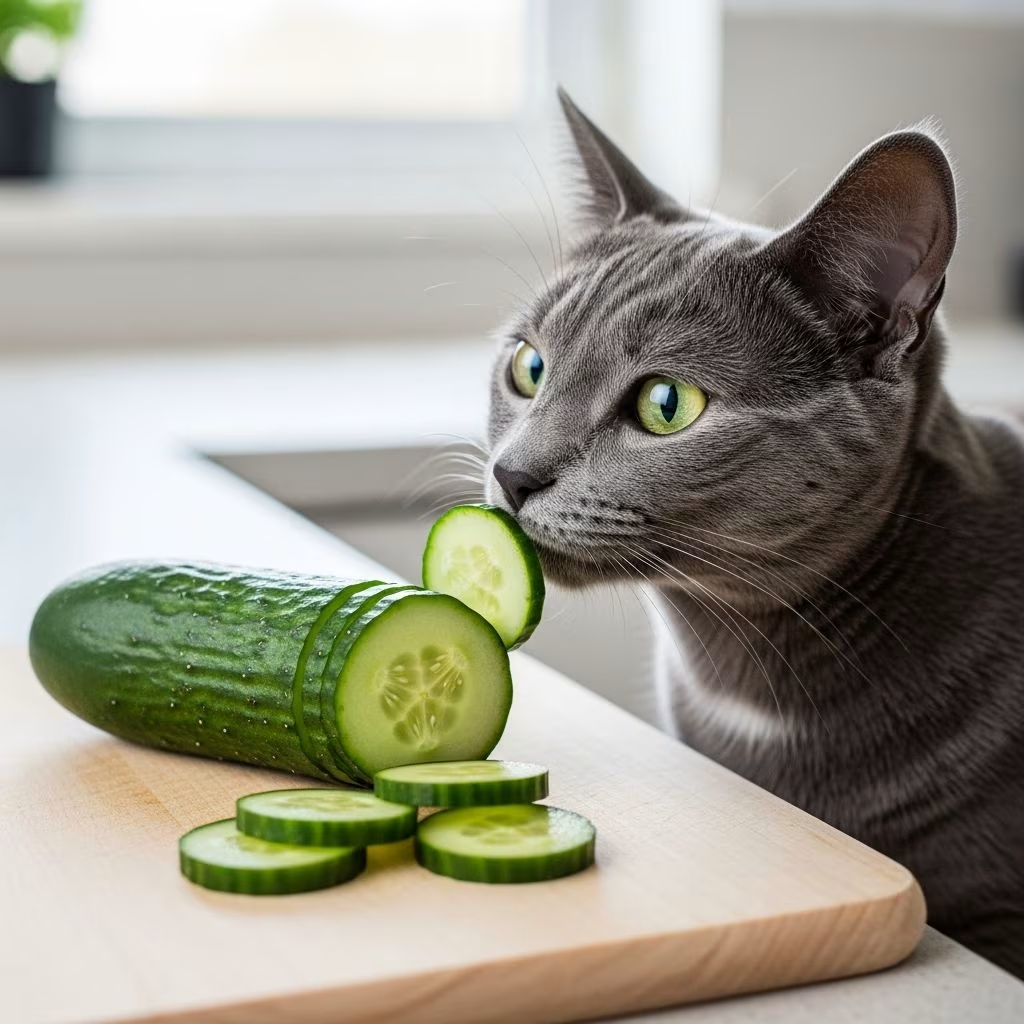
Can Cats Eat Cucumbers?
Yes, cucumbers are non-toxic and safe for cats to eat in small quantities. However, while they can be offered as an occasional treat, they do not provide any of the major nutrients that cats really need for optimal health and should never replace their regular balanced diet. Cucumbers are primarily composed of water and contain some fiber along with beneficial plant compounds, making them a low-calorie option for feline snacking when served appropriately.
Nutritional Benefits of Cucumbers for Cats
While cucumbers are not a nutritionally complete food for cats, they do offer several vitamins, minerals, and compounds that can contribute to your cat’s overall wellness when consumed in moderation. Understanding these benefits helps pet owners make informed decisions about incorporating cucumbers into their cat’s diet as an occasional treat.
High Water Content for Hydration
Cucumbers are approximately 95 percent water, making them an excellent source of hydration for felines. Many cats do not naturally drink sufficient amounts of water, which can lead to dehydration and associated health issues. Offering cucumber slices can be particularly beneficial for cats with certain health conditions such as urinary tract problems or kidney disease, as maintaining proper hydration is crucial for their well-being. This high water content also gives cucumbers that satisfying crunch that many cats find appealing.
Source of Fiber for Digestive Health
Cucumbers contain fiber, particularly in their skin, that can support digestive health. The fiber in cucumbers helps to bulk up stool, prevent constipation, create feelings of fullness, and can support beneficial microbes in the gut. However, it’s important to note that while some fiber is beneficial for cats, excessive amounts can cause digestive upset. Fiber can treat both constipation and diarrhea in cats, and while most commercial cat foods contain some fiber, there is typically no fiber in the meats that make up the major portions of cat food. Eating cucumbers with their peel can supplement whatever fiber exists in their regular food with few negative effects when offered in moderation.
Low in Calories and Sugar
Cucumbers are exceptionally low in calories, containing only about 15 calories per 100-gram serving, with virtually no fat or sugar content. This makes them an ideal snack for cats that need to maintain a healthy weight or for overweight cats requiring low-calorie treats. Providing a satisfying crunchy treat without the risk of overfeeding and weight gain makes cucumbers a smart choice for weight management in felines.
Essential Vitamins and Minerals
Cucumbers contain several important vitamins and minerals that support feline health, though typically not in quantities significant enough to replace nutrients from regular cat food:
- Vitamin K: Important for blood clotting and healthy liver function
- Vitamin C: An antioxidant that supports the immune system and overall health
- Molybdenum: A trace mineral that supports a cat’s metabolism
- Magnesium: Plays a role in muscle and nerve function, blood glucose control, and blood pressure regulation
- Potassium: Helps regulate blood pressure and maintain proper muscle and nerve function
- Beta-carotene: Present in the green skin, this antioxidant may help protect against inflammatory disease, though cats cannot convert it to vitamin A
Antioxidants and Cucurbitacin
Cucumbers contain many interesting plant compounds with potential health benefits. Cucurbitacins are compounds responsible for the bitter taste sometimes found in cucumber skin, but they are being studied for possible anti-cancer properties as well as anti-inflammatory, antimicrobial, and anti-diabetic effects. These beneficial plant compounds add another dimension to the nutritional profile of cucumbers, though more research is needed to determine their specific effects in felines.
Is Cucumber Safe for Cats?
In small amounts, cucumbers are very safe for cats to eat. However, there are several important considerations and precautions that cat owners should keep in mind when sharing cucumbers with their feline companions to ensure optimal safety and digestive health.
Potential Concerns with Cucumber Consumption
While cucumbers are generally safe, several factors warrant careful attention when introducing them to your cat’s diet. The fiber content in cucumbers, especially in the skin, can cause digestive upset if consumed in excessive quantities. Even though some fiber is healthy for cats, eating too much in one sitting can lead to digestive problems, particularly if your cat is not accustomed to consuming fresh produce. Additionally, too much cucumber could cause diarrhea due to its high water content. It’s crucial to start by offering only a small bite-sized amount and even consider peeling the skin off to see how your cat tolerates it before offering any more.
Potassium Considerations
While potassium is an important mineral found in cucumbers, excessive potassium levels can affect a feline’s kidneys. However, giving your cat cucumber a few times a week will not cause a dangerous rise in potassium levels, so occasional treats are safe. Pet owners should be cautious not to make cucumbers a daily staple in their cat’s diet to avoid any potential accumulation of potassium.
Peeling Recommendations
Cucumbers should be served in moderation and always be peeled to remove any waxy coating that could be difficult for cats to digest. While the skin contains higher concentrations of beneficial compounds like fiber and beta-carotene, it also contains more fiber than cats’ digestive systems are equipped to handle. Peeling the cucumber reduces the risk of digestive upset and makes it easier for your cat to process. If you do offer unpeeled cucumber, do so sparingly and only to cats that have demonstrated good tolerance to fiber.
Can Cats Eat Any Part of the Cucumber Plant?
The entire cucumber plant, including the leaves, stems, and flowers, is considered nontoxic to cats, so it would be safe if your cat accidentally chewed on the plant or ate a bite or two. However, plant matter is very fibrous, and if your cat were to eat a significant amount of it, they would likely experience digestive upset including vomiting, diarrhea, gas, and bloating. Additionally, due to the cucurbitacin compound in the plant, many parts of the plant will taste very bitter, which may naturally deter your cat from eating too much of it anyway. This bitter taste is actually a protective mechanism that helps prevent overconsumption.
How to Safely Serve Cucumbers to Your Cat
When offering cucumbers to your feline companion, following proper preparation and serving guidelines ensures safety and maximizes any potential benefits. Start with small amounts, prepare them appropriately, and monitor your cat’s response to determine their tolerance level.
Preparation Guidelines
- Wash the cucumber thoroughly under running water to remove any pesticides or dirt
- Peel the cucumber to remove the waxy coating and reduce excessive fiber content
- Cut into small, bite-sized pieces or thin slices to prevent choking hazards
- Remove any seeds if they cause concern, though they are generally safe
- Serve at room temperature for maximum palatability
Serving Frequency and Portion Size
Cucumbers should be offered as an occasional treat, not as a regular part of your cat’s daily diet. A few small pieces once or twice per week is an appropriate serving size for most adult cats. Remember that your cat may not actually get much nutritional benefit from cucumbers, and their digestive systems are designed to process nutrients from a meat-based diet. Never allow cucumber consumption to replace or reduce your cat’s intake of high-quality cat food that provides essential proteins and nutrients cats require for optimal health.
Introducing Cucumbers to Your Cat
If your cat has never eaten cucumber before, introduce it gradually. Offer a very small piece and observe your cat for any signs of digestive upset over the next 24 hours. Most cats won’t be interested in cucumbers, however, there are cats who might enjoy tasting new things. If your cat shows interest and tolerates it well, you can gradually increase the portion size while monitoring their digestive response. If your cat shows no interest, that’s perfectly normal and acceptable.
Dental Health Benefits
The crunchy texture of cucumber can help scrape off minor plaque from your cat’s teeth. This mechanical cleaning action provides a minor dental health benefit. However, cucumbers are not a substitute for regular dental care, which should include brushing and occasional professional cat dental cleanings. While the texture is mildly beneficial, maintaining your cat’s dental health requires a comprehensive approach that includes regular brushing and professional veterinary care.
Important Nutritional Considerations
Cats are obligate carnivores, meaning they require nutrients derived primarily from meat sources to thrive. While cats can benefit from some of the nutrients in cucumbers, this is not a food that is required in their diet, nor can it replace their primary source of nutrition. If you are feeding your cat high-quality cat food, they will already be getting all the daily nutrients they need. Cats don’t need cucumbers to round out their diet, and in fact should not be fed so much cucumber that they won’t eat the meaty, protein-rich food they do need.
Frequently Asked Questions About Cats and Cucumbers
Q: Can cats eat cucumber skin?
A: Yes, cats can eat cucumber skin; however, the skin is higher in fiber compared to the inner flesh, and a cat’s digestive system is not well-equipped to handle large amounts of fiber. Eating too much can lead to digestive problems like diarrhea or upset stomach. It’s generally recommended to peel cucumbers before serving them to cats.
Q: Are cucumber plants toxic to cats?
A: No, cucumber plants, including their leaves, stems, and flowers, are not toxic to cats. However, the plant matter is very fibrous, and consuming large quantities could cause digestive upset including vomiting, diarrhea, gas, and bloating.
Q: How often can I give my cat cucumbers?
A: Cucumbers should be offered only occasionally, ideally a few times per week in small bite-sized portions. They should never become a regular part of your cat’s daily diet or replace their primary meat-based nutrition.
Q: What should I do if my cat experiences digestive upset after eating cucumber?
A: If your cat experiences vomiting, diarrhea, or other digestive upset after consuming cucumber, discontinue offering it and contact your veterinarian if symptoms persist. In the future, offer only peeled cucumber in very small amounts or avoid it altogether.
Q: Can cucumbers help with my cat’s hydration?
A: Yes, due to their 95 percent water content, cucumbers can contribute to your cat’s hydration, especially for cats that don’t drink sufficient water on their own. This is particularly beneficial for cats with urinary or kidney health concerns, though water should remain their primary hydration source.
Q: Are there better alternatives to cucumbers for cat treats?
A: There are many cat-safe fruits and vegetables you can offer as alternatives, including watermelon, cantaloupe, and cooked pumpkin. However, meat-based treats aligned with your cat’s natural carnivorous diet are always the preferred option.
Conclusion
Cucumbers can be a safe and refreshing occasional treat for your cat, offering hydration, fiber, and various beneficial nutrients. However, they should never be considered a nutritional necessity or replacement for high-quality cat food. The key to safely offering cucumbers is moderation, proper preparation through peeling, and careful monitoring of your individual cat’s digestive response. Always start with small quantities and observe your cat closely. If your cat shows no interest in cucumbers, that’s perfectly normal—many cats are indifferent to vegetables. When in doubt about your cat’s diet or if your cat experiences any adverse reactions to new foods, consult with your veterinarian to ensure you’re making the best choices for your feline companion’s health and nutrition.
References
- Can Cats Eat Cucumbers? — Wag!. https://wagwalking.com/wellness/can-cats-eat-cucumbers
- Can Cats Eat Cucumbers? — Chewy. https://www.chewy.com/education/cat/food-and-nutrition/can-cats-eat-cucumbers
- Can Cats Eat Cucumber? Vet-Reviewed Nutrition and Safety — Catster. https://www.catster.com/nutrition/can-cats-eat-cucumber/
- Can Cats Eat Cucumbers? Human Food for Cats — Kinship. https://www.kinship.com/cat-nutrition/can-cats-eat-cucumbers
- Healthy Cucumber Tuna Salad for Cats — Swedencare USA. https://us.swedencare.com/blog/healthy-cucumber-tuna-salad-for-cats/
- Can Cats Eat Cucumber? Cat expert explains! — YouTube. https://www.youtube.com/watch?v=qGXijl4Igfo



