

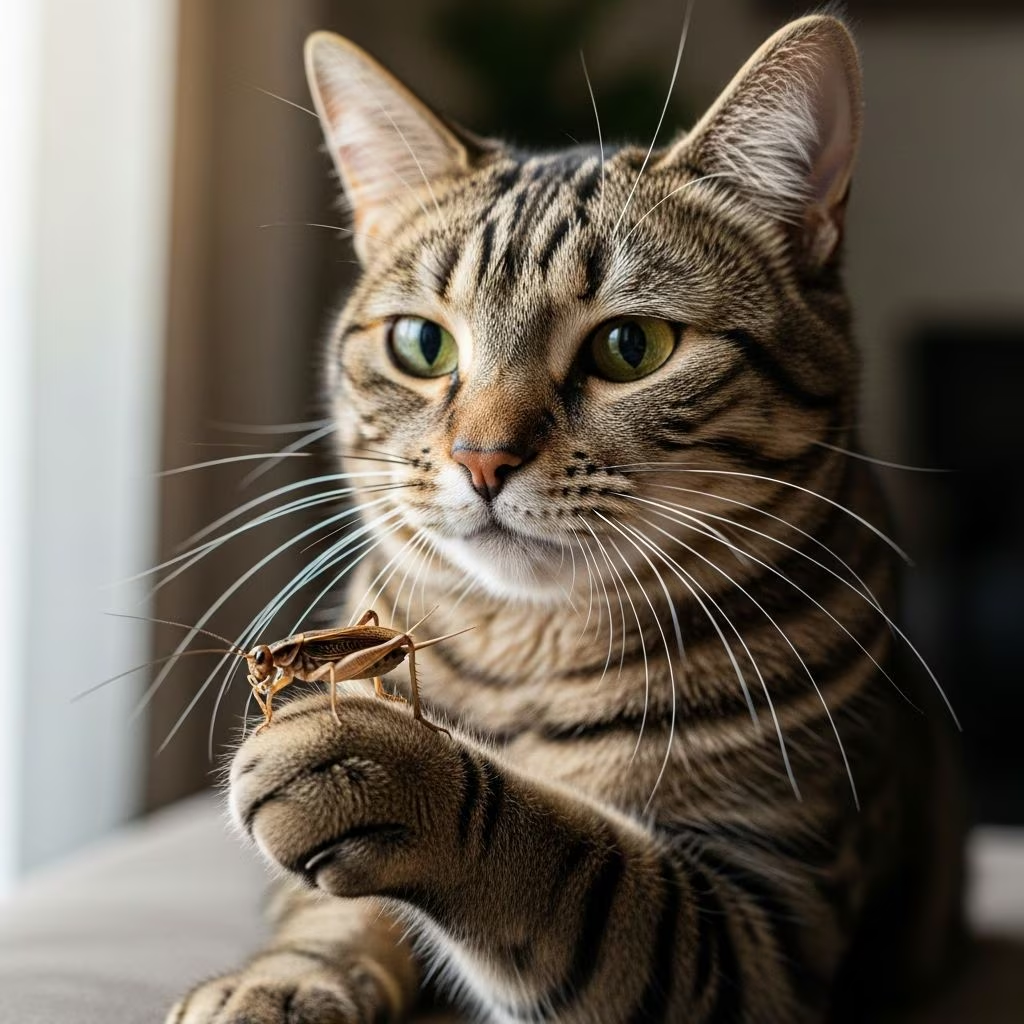
Can Cats Eat Crickets? A Complete Guide for Cat Owners
If you’ve ever watched your cat chase down a cricket in your home or yard, you might have wondered whether this natural hunting behavior is safe. The short answer is yes—cats can eat crickets, and in most cases, consuming the occasional cricket poses no significant health threat to your feline companion. However, like many aspects of pet nutrition, there are important nuances to understand about cricket consumption, including nutritional benefits, potential risks, and best practices for your cat’s health.
Crickets are not toxic to cats, and many cats in the wild naturally consume insects as part of their varied diet. That said, while crickets can offer certain nutritional advantages, they should not become a primary food source for your pet. Understanding both the benefits and risks will help you make informed decisions about your cat’s diet and activity.
Nutritional Benefits of Crickets for Cats
One of the most compelling reasons crickets are gaining attention as a potential pet food ingredient is their impressive nutritional profile. Crickets are remarkably nutrient-dense, offering concentrated amounts of essential nutrients in a small package.
Protein Content and Amino Acids
Perhaps the most significant nutritional advantage of crickets is their exceptionally high protein density. Research demonstrates that crickets contain more crude protein than chicken meat, and their amino acid composition is comparable to fish meal, making them an excellent natural protein source. For cats, which are obligate carnivores requiring high-quality protein, this nutrient profile is particularly valuable. The amino acids present in crickets support muscle development, immune function, and overall metabolic health.
The protein concentration in crickets is so efficient that a smaller portion of cricket meal—approximately 33% of the portion of chicken meat—is required to meet the protein requirements of cats. This concentrated nutrition means that even occasional cricket consumption contributes meaningfully to your cat’s daily protein intake.
Essential Vitamins and Minerals
Beyond protein, crickets provide a spectrum of vital micronutrients. These insects contain substantial amounts of:
- Vitamin B-12 – Essential for nerve function, red blood cell formation, and DNA synthesis
- Iron – Critical for oxygen transport in the blood and energy production
- Calcium and minerals – Important for bone health and metabolic processes
- Taurine – A crucial amino acid that cats cannot synthesize and must obtain from diet, essential for heart and eye health
Research has shown that 100 grams of insects like crickets contains more protein, calcium, and iron than an equal amount of beef. This makes crickets a nutritionally superior option per unit weight, even when compared to traditional meat sources.
Omega Fatty Acids and Digestive Health
Crickets are also rich in omega fatty acids, similar to fish sources like sardines and salmon. These healthy fats promote skin health, maintain coat quality, and support cardiovascular function in cats. Unlike shrimp, which are another insect-based protein source, crickets contain zero cholesterol, making them an even more heart-healthy option.
Additionally, crickets have an exoskeleton composed of chitin, which serves as a prebiotic fiber. This prebiotic fiber assists in maintaining healthy digestive function by promoting beneficial gut bacteria growth and supporting overall gastrointestinal health.
Practical Considerations: How Much Nutritional Benefit?
While the nutritional density of crickets is impressive, it’s important to maintain realistic expectations about whole cricket consumption. A single cricket is so small that it provides minimal nutritional benefit on its own. Your cat would need to consume large quantities of whole crickets to derive significant nutritional gains from them as whole food sources. This is why researchers are increasingly exploring cricket meal and cricket flour as more concentrated forms of cricket nutrition that can be incorporated into commercial cat food products.
Risks and Safety Concerns
While crickets themselves are not toxic, there are legitimate concerns to consider before encouraging your cat to hunt and consume them regularly. Understanding these risks helps you make informed decisions about your pet’s health and safety.
Gastrointestinal Upset and Digestive Issues
The primary concern with whole cricket consumption involves digestive complications. Although crickets offer nutrition, their composition differs significantly from the natural mammalian prey that cats evolved to hunt. Cats’ digestive systems are optimized for processing mammal muscle tissue, not insects with hard exoskeletons.
The hard exoskeleton of a cricket can prove difficult to digest and may not break down properly in a cat’s stomach and intestines. This can potentially lead to:
- Digestive impactions – Blockages caused by undigested cricket parts
- Minor intestinal injuries – Sharp pieces of the exoskeleton may cause small lacerations in the intestinal lining
- Bleeding within the intestines – Resulting from these micro-injuries
- General gastrointestinal discomfort – Particularly in cats with sensitive stomachs
In most cases, these irritations resolve on their own within a few days. However, cats with pre-existing digestive sensitivities or compromised immune systems may experience more significant issues. If your cat displays persistent vomiting, loss of appetite, signs of discomfort, unusual drooling, or coughing after consuming crickets, veterinary attention is warranted.
Parasite Transmission
Insects, including crickets, can carry internal parasites that may potentially transfer to cats upon ingestion. The likelihood of this occurring is generally low, however, due to the small parasite burden in a single cricket compared to a cat’s immune system. Most healthy cats can readily fight off any parasitic exposure from occasional cricket consumption.
The primary concern is for immunocompromised cats—those with feline immunodeficiency virus (FIV), feline leukemia virus (FeLV), or other conditions affecting immune function. These cats face elevated risk of developing parasitic infections from insect consumption and should be discouraged from eating crickets.
Chemical Toxicity and Pesticide Exposure
A significant concern for cats eating wild crickets is pesticide and insecticide contamination. Many households and yards use insecticides to control pest populations, and crickets may consume or be exposed to these chemicals. If your cat eats a cricket that has ingested insecticides, those toxic compounds transfer to your pet.
In most scenarios, the amount of toxic chemical is minimal—too small to cause harm to a large animal like a cat. However, if your cat directly ingests insecticides or you suspect significant pesticide exposure, immediate veterinary consultation is essential. To minimize this risk, avoid allowing your cat to hunt insects in areas recently treated with pesticides, and consider using pesticide-free methods for pest control if your cat has outdoor access.
Choking Hazards
While less commonly discussed, whole crickets do present a minor choking hazard, particularly for kittens, senior cats, or those with swallowing difficulties. The size and shape of a whole cricket could potentially become lodged in the throat, though this is relatively uncommon.
How to Monitor Your Cat After Cricket Consumption
If your cat has eaten a cricket, there’s no need for immediate panic, but observation is prudent. Watch for these specific signs over the following 24-48 hours:
- Vomiting or retching – May indicate digestive distress
- Changes in appetite – Loss of interest in regular food can signal discomfort
- Signs of discomfort or distress – Excessive grooming, restlessness, or unusual behavior
- Abnormal drooling or coughing – Could indicate choking or throat irritation
- Lethargy or behavioral changes – Unusual tiredness or personality shifts warrant attention
Most cats who consume an occasional cricket show no adverse symptoms. However, if your cat exhibits any concerning signs or if symptoms persist beyond a few days, consult your veterinarian to rule out parasitic infection, impaction, or other complications.
Should You Intentionally Feed Your Cat Crickets?
This is where professional recommendations become nuanced. While occasional cricket consumption from natural hunting is not harmful, intentionally feeding whole crickets as a dietary supplement is not recommended as a primary feeding strategy. Here’s why:
- Commercial cat foods are specifically formulated to meet AAFCO (Association of American Feed Control Officials) nutritional standards for all life stages
- Whole crickets cannot reliably provide complete and balanced nutrition on their own
- The inconsistent digestibility of whole insects makes them unpredictable as a primary protein source
- Risk factors (parasites, pesticides, digestive upset) increase with intentional feeding practices
Instead, a complete and balanced commercial cat diet should remain your cat’s nutritional foundation. If you’re interested in cricket-based nutrition, look for premium cat foods that incorporate cricket meal or cricket flour as a defined ingredient—these processed forms offer concentrated nutrition with better digestibility and quality control than whole insects.
Cricket-Based Pet Foods: A Better Alternative
The pet food industry is increasingly incorporating cricket meal and cricket flour into formulated cat diets, which represents a more practical application of cricket nutrition. These products offer several advantages over whole cricket consumption:
- Consistent nutrition – Standardized protein and nutrient content
- Improved digestibility – Processed form is easier for cats to digest
- Quality control – Reduced risk of pesticide or parasite contamination
- Sustainability – Crickets require significantly fewer resources than traditional livestock—12 times less feed than cattle, and half as much as pigs and broiler chickens
- Environmental benefits – Lower water usage and no land-clearing required
Research on insect-based diets shows promising results. Studies have demonstrated that cats consuming cricket meal diets maintain similar fecal characteristics and metabolic markers as those on chicken-based diets, indicating that digestive health is not negatively impacted by properly formulated insect-based foods.
Natural Hunting Behavior and Enrichment
Beyond nutrition, the act of hunting insects provides important psychological and physical benefits for cats. The sounds and quick movements of crickets naturally trigger a cat’s prey drive, offering mental stimulation and exercise opportunities. If your indoor cat occasionally catches and eats a cricket that enters your home, this behavior is normal, harmless, and actually beneficial for your cat’s psychological well-being.
Some cat owners even intentionally place live crickets in a bathtub or enclosed space to provide supervised hunting experiences. This allows your cat to exercise natural predatory instincts while you monitor the situation and prevent exposure to pesticides or parasites. It’s a form of enrichment that combines nutrition with mental and physical stimulation.
Frequently Asked Questions
Q: Is it normal for cats to eat insects?
A: Yes, it’s completely normal. In the wild, cats consume insects as part of their varied diet. Indoor cats may catch insects in the home or yard, and this behavior is natural and typically harmless.
Q: Can eating crickets cause parasites in cats?
A: While crickets can potentially carry internal parasites, transmission risk is generally low in healthy cats with strong immune systems. Immunocompromised cats face higher risk and should be discouraged from eating insects.
Q: What should I do if my cat ate a cricket?
A: Monitor your cat for vomiting, changes in appetite, digestive discomfort, or unusual drooling over the next 24-48 hours. Most cats experience no adverse effects from occasional cricket consumption. Contact your veterinarian if concerning symptoms develop.
Q: Are cricket-based cat foods safe?
A: Yes, properly formulated cricket-based cat foods are safe and may offer nutritional and environmental advantages. Look for products from reputable manufacturers that meet AAFCO nutrition standards.
Q: Can I intentionally feed my cat crickets from a pet store?
A: While crickets from pet stores are safer than wild insects, whole cricket feeding is not recommended as a primary diet component. Cricket meal or cricket flour in commercial cat foods is a better alternative.
Q: Do crickets provide complete nutrition for cats?
A: No. While crickets are nutrient-dense, they cannot provide complete and balanced nutrition on their own. Commercial cat foods formulated with all necessary vitamins, minerals, and nutrients should remain your cat’s primary nutrition source.
The Bottom Line
Crickets are safe for cats to consume occasionally, and the natural behavior of hunting and eating insects is normal and generally harmless. Crickets do offer impressive nutritional benefits, including high-quality protein, essential amino acids, taurine, omega fatty acids, and valuable minerals. However, intentionally feeding whole crickets should not replace a complete commercial cat diet, and there are legitimate risks to consider—including digestive upset, potential parasites, and pesticide exposure.
If your cat catches the occasional cricket in your home or yard, there’s no cause for alarm. Simply monitor your pet for any signs of digestive distress. For a more controlled approach to incorporating cricket nutrition, consider premium commercial cat foods that include cricket meal or cricket flour as defined ingredients. These formulated products offer the nutritional benefits of crickets while minimizing associated risks and providing complete, balanced nutrition for your feline companion.
References
- Can Cats Eat Crickets? Nutritional Facts & Safety Guide — Hepper. Retrieved from https://articles.hepper.com/can-cats-eat-crickets/
- Just found my cat munching on a cricket, is that safe for her? — Dial A Vet. Retrieved from https://www.dialavet.com/vet-answers/post/cat-ate-cricket-safe-49134
- Can Cats Eat Bugs? — Go! Solutions. Retrieved from https://go-solutions.com/en-us/blog/can-cats-eat-bugs
- Insects as Feed for Companion and Exotic Pets: A Current Trend — National Center for Biotechnology Information (NCBI). Retrieved from https://pmc.ncbi.nlm.nih.gov/articles/PMC9179905/
- Fun Fact: Crickets pack an awesome nutritional punch! — CatCentric. Retrieved from http://catcentric.org/2013/07/13/fact-crickets-pack-an-awesome-nutritional-punch/
- Can Cats Eat Insects? — Dr. Ruth Roberts. Retrieved from https://drruthroberts.com/blogs/pet-blog/can-cats-eat-insects



