

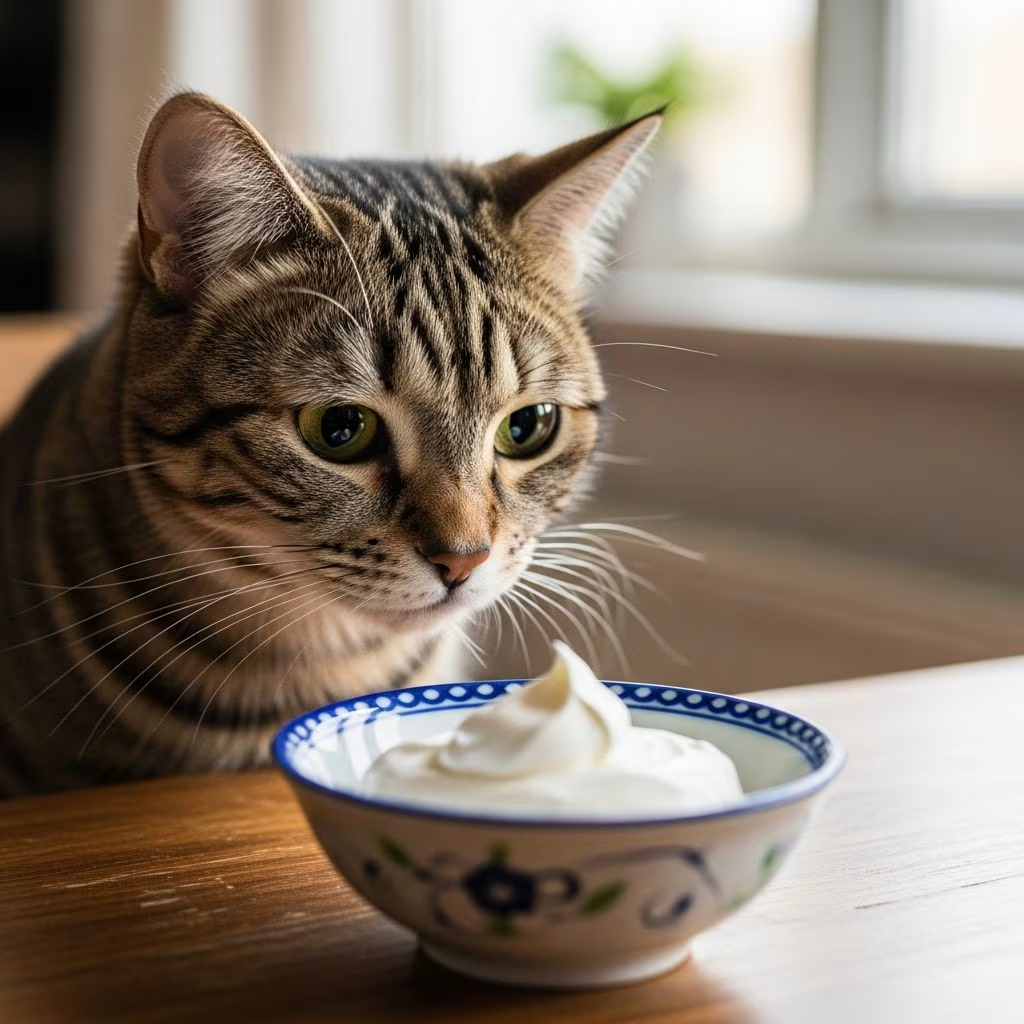
Although many cats eagerly lap up cream, it poses significant health risks due to their lactose intolerance and the high fat content. Cream can lead to digestive distress like diarrhea, vomiting, and bloating in most adult cats.
Why Is Cream Unhealthy for Cats?
Cream is not toxic to cats but contains **lactose** and excessive **fat**, both problematic for felines. Kittens produce lactase enzyme to digest mother’s milk lactose, but most adult cats lose this ability after weaning, leading to **lactose intolerance**.
Undigested lactose ferments in the gut, causing gas, bloating, stomach pain, diarrhea, and vomiting. Sensitivity varies: some cats tolerate tiny amounts without issues, while others react severely even to a lick.
Heavy cream is typically 36-40% fat, far exceeding cats’ needs as obligate carnivores requiring high protein and moderate fat from meat sources. Excess fat risks **pancreatitis**, obesity, and hyperlipidemia (elevated blood fats).
A Little Bit of Cream Won’t Hurt… Or Will It?
An occasional tiny dab (less than a teaspoon) might not harm tolerant cats, but regular feeding guarantees problems. No nutritional benefit justifies the risk—cats gain no essential vitamins, minerals, or proteins from cream.
- Short-term effects: Loose stools, flatulence within 12-24 hours.
- Long-term risks: Weight gain, fatty liver disease from chronic high-fat dairy.
- Individual factors: Kittens under 8 weeks tolerate better; seniors or those with GI issues suffer most.
Monitor for symptoms post-exposure: lethargy, refusal to eat, or persistent diarrhea warrants vet care.
What Happens If Your Cat Eats Cream?
If your cat sneaks cream, watch for **digestive upset** peaking 4-12 hours later. Mild cases resolve in 24-48 hours with water and bland diet (boiled chicken/rice).
| Symptom | Severity | Action |
|---|---|---|
| Gas/Bloating | Mild | Observe, withhold food 12 hours |
| Diarrhea/Vomiting | Moderate | Hydrate, probiotics; vet if >24h |
| Lethargy/Dehydration | Severe | Immediate vet visit |
Never induce vomiting; contact poison control or vet for guidance.
Can Any Cats Eat Cream?
Rare cats retain lactase into adulthood (about 10-15% per studies), enjoying small dairy without distress. Test cautiously: start with 1/4 tsp, observe 48 hours. Breeds like Siamese may show higher tolerance, but it’s unpredictable.
Even tolerant cats face fat overload risks. Prioritize species-appropriate diet over unverified tolerance.
Healthier Alternatives to Cream for Cats
Skip dairy; opt for cat-safe treats providing hydration, fun, and nutrition without risks.
- Commercial lactose-free milk: Formulated for cats, low-lactose with taurine.
- Meaty treats: Freeze-dried chicken, tuna flakes (limit to 10% calories).
- Broth: Low-sodium chicken/beef bone broth for hydration.
- Catnip toys/edibles: Stimulates without calories.
- Veggies: Steamed/cooked pumpkin, green beans for fiber.
DIY frozen treats: Blend tuna water, freeze in ice cube trays. Always introduce new foods gradually.
Related Dairy Products: What About Them?
Can Cats Eat Cream Cheese?
Cream cheese has lower lactose than milk but high fat (33%), risking similar GI issues and pancreatitis. Avoid entirely.
Can Cats Eat Ice Cream?
Ice cream adds sugar (toxic in excess) to dairy woes, spiking calories and causing diarrhea. Chocolate varieties contain theobromine—poisonous.
Can Cats Eat Sour Cream?
Sour cream’s fermentation reduces lactose slightly, but fat content remains dangerous. Small tastes only for tolerant cats.
Can Cats Eat Whipped Cream?
Aerosol whipped cream contains additives like nitrous oxide; even heavy cream version is pure fat bomb. No.
Frequently Asked Questions
Is cream toxic to cats?
No, but unhealthy due to lactose and fat causing digestive upset.
What if my cat loves cream?
Their preference doesn’t override biology. Switch to safe alternatives gradually.
How much cream is safe?
None regularly; max 1/2 tsp once-off for tolerant cats, but better zero.
Why do cats like dairy if it’s bad?
Instinct from kittenhood nursing; fat’s palatability mimics meat.
Can lactose-free cream be given?
If truly lactose-free and low-fat, tiny amounts ok—but vet-approved cat formulas best.
Conclusion
Ditch the cream saucer myth: most cats suffer from dairy due to lactose intolerance and fat overload. Feed balanced commercial diet with safe treats for health and happiness. Consult your vet for personalized advice.
References
- Can Cats Eat Cream? Vet-Reviewed Feeding Facts — Catster. 2023. https://www.catster.com/nutrition/can-cats-eat-cream/
- Can Cats Eat Cream Cheese? Vet-Reviewed Nutrition Facts & FAQ — Catster. 2023. https://www.catster.com/cat-health-care/can-cats-eat-cream-cheese/
- Can Cats Eat Ice Cream? Vet Approved Facts & Alternatives — Catster. 2023. https://www.catster.com/nutrition/can-cats-eat-ice-cream/
- Can Cats Eat Sour Cream? Vet-Approved Nutritional Facts & Safety — Catster. 2023. https://www.catster.com/nutrition/can-cats-eat-sour-cream/
- Can Cats Eat Chocolate Ice Cream? Vet-Reviewed Risks & Safe — Catster. 2023. https://www.catster.com/nutrition/can-cats-eat-chocolate-ice-cream/



