

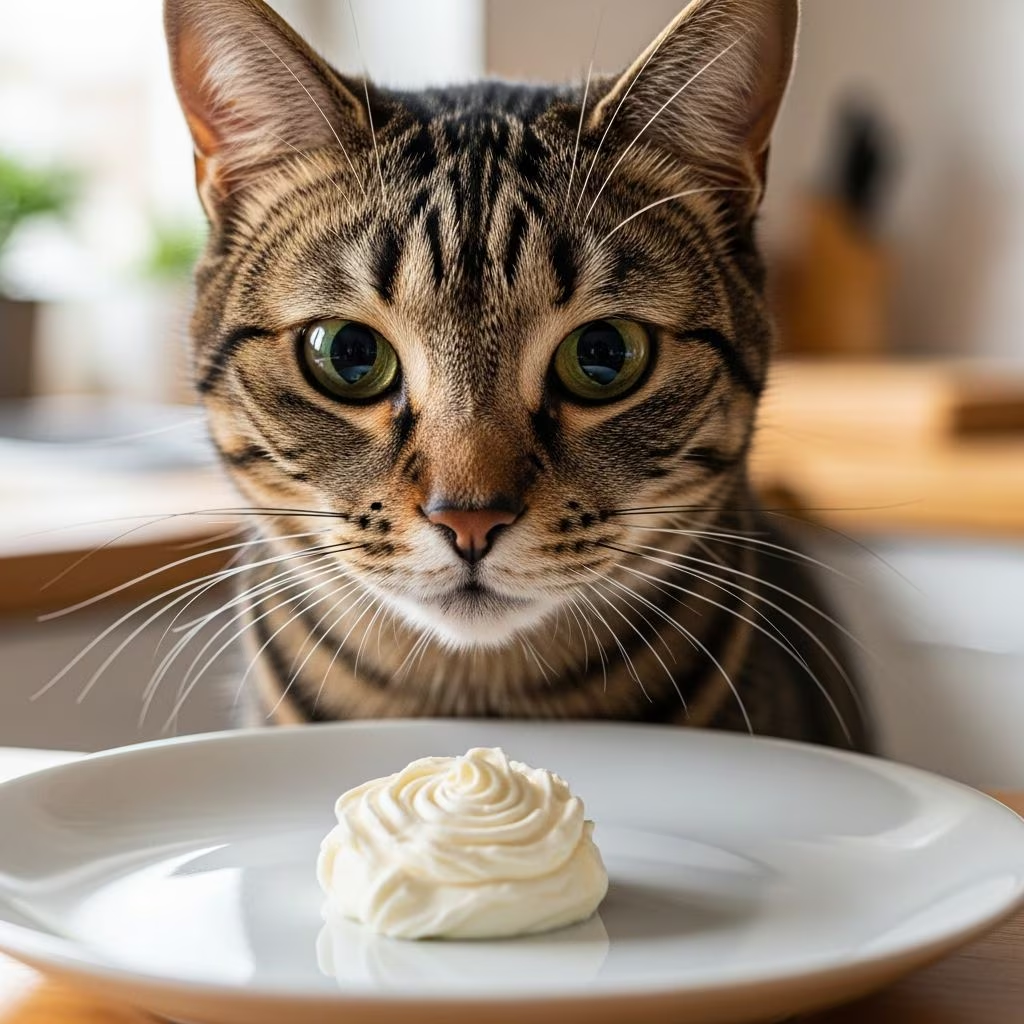
Cream cheese is **not toxic** to cats but is generally not recommended due to its high lactose content and fat levels, which can lead to digestive issues like diarrhea and vomiting in most felines. Most adult cats are lactose intolerant, lacking sufficient lactase enzyme to break down the lactose sugar in dairy products, making cream cheese a risky treat despite its appeal.
Quick Answer: Can Cats Eat Cream Cheese?
No, cats should not eat cream cheese regularly. While a tiny lick might not harm some cats, the lactose and high fat content often cause stomach upset, bloating, gas, and loose stools. Cats are obligate carnivores requiring a meat-based diet, and dairy like cream cheese doesn’t align with their nutritional needs, potentially leading to obesity or other health issues over time.
A Little Background: What Is Cream Cheese?
Cream cheese is a soft, spreadable fresh cheese made from a mixture of milk and cream, with a fat content typically around 33-35% and notable lactose levels higher than aged hard cheeses. Unlike milk, which has even higher lactose, cream cheese undergoes some processing that reduces lactose slightly, but it remains too much for most cats’ digestive systems. Its creamy texture and mild flavor attract cats, but this doesn’t make it safe—much like how cats beg for inappropriate foods.
Commercially produced cream cheese often includes additives, stabilizers, or flavorings (like herbs in varieties such as chive cream cheese), which can introduce additional risks for cats. Nutritionally, per 100 grams, it packs about 33 grams of fat, excessive salt, and calories that exceed a cat’s daily requirements, comparable to a human consuming multiple high-fat meals in one go.
Can Cats Eat Dairy Products Like Cream Cheese?
Many cats show interest in dairy due to its smell and texture, but most cannot digest it properly. Kittens produce more lactase enzyme while nursing mother’s milk, but adults lose this ability post-weaning, leading to lactose intolerance in about 65-75% of cats. Dairy fermentation in the gut draws water into the intestines, causing osmotic diarrhea, gas, and cramps.
High fat in cream cheese poses separate issues: cats process fats from meat efficiently, but dairy fats overwhelm their systems, potentially causing pancreatitis or fatty liver disease with repeated exposure. Salt content risks sodium poisoning, with symptoms like increased thirst, lethargy, and tremors.
Potential Dangers of Cream Cheese for Cats
Lactose Intolerance
The primary issue is **lactose intolerance**. Undigested lactose ferments in the colon, producing gas and pulling water into the bowels, resulting in diarrhea and bloating within hours. Symptoms mimic human intolerance but can dehydrate cats faster due to their small size.
High Fat Content
Cream cheese’s fat exceeds what cats need from meat sources, leading to vomiting (rare but possible in sensitive cats), greasy stools, and long-term obesity. One ounce equates to excessive calories for a 10-pound cat, promoting weight gain and related conditions like diabetes.
High Sodium Levels
Processed cream cheese contains added salt, risking **salt poisoning** with symptoms including thirst, confusion, seizures, and dizziness. Overweight or senior cats face amplified risks.
Potential Allergies
Though rare, some cats develop allergies to dairy proteins, causing itching, ear infections, or skin rashes alongside GI upset.
Additives and Flavors
Flavored varieties (e.g., garlic, onion) contain toxic Allium compounds; even plain ones have gums or preservatives unsuitable for cats.
What Happens If Your Cat Eats Cream Cheese?
If your cat sneaks cream cheese, monitor for signs: mild cases show **bloating, gas, soft stools** passing in 12-24 hours; severe ones include **diarrhea, vomiting, lethargy**. Dehydration from prolonged diarrhea is serious—offer water and contact a vet if symptoms persist beyond 24 hours or include blood. Most recover without intervention if the amount was small.
Cheeses That Are Dangerous for Cats
Avoid these high-lactose or risky cheeses:
- Cottage Cheese: High lactose triggers GI distress.
- Mozzarella: Causes gas and diarrhea.
- Brie and Camembert: Soft, moldy textures upset stomachs.
- Blue Cheese: Toxic molds harm cats.
- American Cheese: Processed with salt, carbs, additives.
- Cheesecake: Combines cream cheese with sugars/toxins like chocolate.
- Cheese Crackers (e.g., Cheez-Its): Empty calories, high fat/carbs.
Are There Any Safe Cheeses for Cats?
Hard, low-lactose cheeses like Swiss, cheddar, or parmesan in tiny amounts (pea-sized, 1-2x/week) may be tolerated by some cats, but consult a vet first. Even these carry fat/salt risks. Low-fat cottage cheese is occasionally mentioned but still risky. Best avoid all dairy routinely.
| Cheese Type | Lactose Level | Fat Content | Safety Rating |
|---|---|---|---|
| Cream Cheese | High | Very High | Avoid |
| Cottage Cheese | High | Moderate | Avoid |
| Cheddar (Hard) | Low | High | Rare Tiny Amount |
| Swiss | Very Low | Moderate | Occasional Tiny Amount |
| Blue Cheese | Moderate | High | Toxic – Avoid |
Healthier Alternatives to Cream Cheese for Cats
Opt for cat-safe treats: plain cooked meat (chicken, turkey), commercial cat treats low in fillers, or vet-approved fish like salmon (no bones). These provide protein without dairy risks. Freeze-dried meat treats mimic texture cats crave safely.
- Commercial meat-based treats
- Cooked plain meats
- Catnip or silver vine
- Veggie purees (pumpkin for digestion)
Conclusion
Skip cream cheese for your cat—its lactose and fat spell trouble despite not being outright poisonous. Stick to species-appropriate treats to keep your feline healthy and happy. If dairy mishaps occur, observe closely and seek vet care for persistent issues.
Frequently Asked Questions
Is cream cheese toxic to cats?
No, but it causes digestive upset from lactose and fat.
Can kittens eat cream cheese?
Kittens tolerate lactose better but still risk issues; avoid cheese entirely.
What if my cat licked cream cheese?
A small lick is usually fine; watch for GI symptoms. Larger amounts may cause diarrhea.
How much cheese can cats have?
Minimal—pea-sized hard cheese rarely, but dairy-free is best.
Why do cats like dairy if it’s bad?
Instinct from kittenhood milk association, not nutritional need.
References
- Can Cats Eat Cheese? Risks & Safe Feeding Tips — MichuPet. 2023. https://michupet.com/blogs/nutrition/can-cats-eat-cheese
- Can Cats Eat Cream Cheese? Vet-Reviewed Nutrition Facts & FAQ — Catster. 2022. https://www.catster.com/cat-health-care/can-cats-eat-cream-cheese/
- Can Cats Eat Cheese? — PetMD. 2023. https://www.petmd.com/cat/nutrition/can-cats-eat-cheese
- Is Cream Cheese & Dairy Safe For Cats? — Catster (YouTube). 2022-01-10. https://www.youtube.com/watch?v=XdDaT30lOxc
- Can Cats Eat Cheese? Yes, But… — Pumpkin Pet Insurance. 2023. https://www.pumpkin.care/post/can-cats-eat-cheese



