

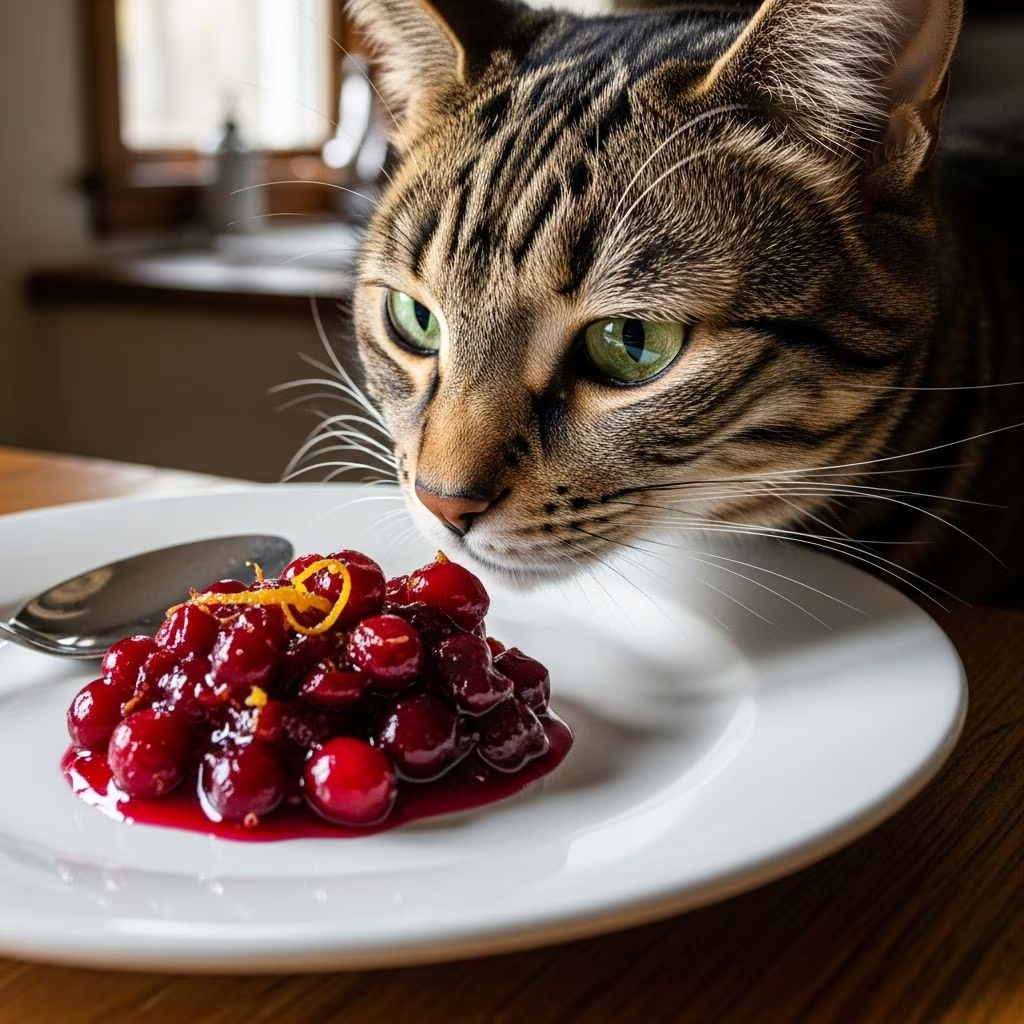
Cranberry sauce is a popular holiday condiment, cherished for its tart-sweet flavor alongside turkey or other meals. But for cat owners, sharing table scraps raises concerns about pet safety. While cranberry sauce isn’t outright toxic to cats, it’s far from ideal due to its excessive sugar and minimal nutritional value for felines.
Why Cats Shouldn’t Eat Cranberry Sauce
The primary issue with cranberry sauce is its sky-high sugar content. A single ½-inch slice of canned cranberry sauce packs about 22 grams of sugar—more than the daily recommended limit for human children under 18, who should cap intake at 25 grams. Cats, with their obligate carnivore physiology, fare far worse with such loads.
Cats lack the digestive enzymes to efficiently process carbohydrates like sugar. Their short digestive tracts prioritize protein and fat metabolism over carbs. Feeding sugary cranberry sauce can trigger immediate gastrointestinal distress, including:
- Diarrhea
- Increased gas and bloating
- Lethargy or weakness
- Excessive lip licking
- Loss of appetite
- Vomiting
Beyond short-term upset, chronic sugar exposure risks long-term health crises. Obesity strikes quickly in inactive indoor cats, elevating diabetes odds—a condition mirroring human type 2 diabetes with insulin resistance. Dental woes like cavities and tooth decay also loom, as plaque bacteria thrive on sugars.
Adding insult, cats can’t even taste sweetness. Lacking sweet receptors on their tongues, they derive no pleasure from the sauce’s sugary profile. Why offer a treat they neither enjoy nor benefit from?
Homemade versions fare no better, often incorporating sugar, corn syrup, or spices that irritate feline systems. Canned options amplify issues with high-fructose corn syrup, exacerbating obesity and dental disease risks.
Can Cats Eat Cranberries?
Plain, raw cranberries present a different story. Cats can safely consume fresh cranberries in moderation, bypassing sauce pitfalls. Avoid sweetened, dried, or processed forms, as drying concentrates sugars and calories.
Compare nutrition: One cup of raw cranberries delivers just 46 calories, while ¼ cup dried versions hit 92 calories—doubling density and temptation for overindulgence.
Nutritional Benefits of Cranberries for Cats
Raw cranberries shine as a superfood, brimming with antioxidants that outpace apples, broccoli, cherries, spinach, and strawberries. Key nutrients include:
- Vitamin A: Supports vision and immune function.
- Vitamin C: Bolsters skin, coat, and overall immunity (though cats synthesize it endogenously).
- Vitamin E and K: Aid blood clotting and cellular protection.
- Calcium, Copper, Manganese, Potassium: Essential minerals for bone health, metabolism, and nerve function.
- A-type proanthocyanidins: Potent antioxidants preventing bacterial adhesion in the urinary tract.
- Myricetin, Peonidin, Quercetin, Ursolic acid: Anti-inflammatory compounds combating oxidative stress.
These shine brightest for urinary health. Proanthocyanidins hinder E. coli—a common UTI culprit—from sticking to bladder walls, potentially slashing infection risks in cats prone to feline lower urinary tract disease (FLUTD).
Low-calorie profile (46 per cup raw) makes cranberries a guilt-free occasional treat, supporting weight management without empty calories.
Downsides to Cranberries for Cats
Tartness poses the biggest hurdle; raw cranberries’ acidity may deter picky eaters. Cats’ sensitive stomachs demand gradual introduction—start with tiny amounts to avert diarrhea or refusal.
Choking risk looms with whole berries, so crush or chop finely. Overfeeding invites digestive woes, as excess fiber irritates despite benefits.
Dried cranberries, while superior to sauce, remain sugar-dense treats—limit to sporadics. Steer clear of juice or supplements sans vet approval, as efficacy varies.
How to Feed Cranberries to Cats Safely
Safety hinges on preparation and portioning. Follow these guidelines:
- Use plain, fresh cranberries: Rinse thoroughly, remove stems.
- Portion wisely: 1-2 small berries daily for average adults; less for kittens or seniors.
- Prep properly: Mash, chop, or blend into wet food for easier digestion and appeal.
- Introduce slowly: Monitor for 24-48 hours for allergies or intolerance.
- Incorporate creatively: Mix into commercial foods or vet-approved supplements with cranberry extracts.
Pet foods like certain dry kibbles infuse cranberries for urinary support and antioxidants—check labels for unsweetened varieties.
| Cranberry Form | Calories (per serving) | Safe for Cats? | Notes |
|---|---|---|---|
| Raw (1 cup) | 46 | Yes, in moderation | Best option; nutrient-dense. |
| Dried (¼ cup) | 92 | Occasional treat | Higher sugar; unsweetened only. |
| Sauce (½-inch slice) | ~100+ (high sugar) | No | Sugar overload risks health. |
| Juice | Varies | Avoid | Added sugars, potential xylitol. |
Healthier Alternatives to Cranberry Sauce for Cats
Skip sauce for superior, cat-friendly fruits echoing cranberries’ perks.
Apples
Antioxidant-rich apples may curb diabetes, heart disease, and cancer risks. For sauce lovers, blend plain apples into unsweetened applesauce mimicking pâté texture. Opt for no-added-sugar commercial versions.
- Prep: Core, peel, finely chop or puree.
- Benefits: Fiber for digestion, vitamins A and C.
- Limit: 1-2 small slices weekly.
Strawberries
Low-glycemic strawberries suit diabetic-prone cats, loaded with antioxidants and minimal blood sugar impact.
- Prep: Hull, slice thinly.
- Benefits: Vitamin C, manganese for immunity and bones.
- Limit: 1-2 small pieces occasionally.
Other options: Blueberries (urinary aid), pumpkin puree (fiber without sugar). Always prioritize balanced commercial diets; treats should never exceed 10% calories.
Frequently Asked Questions (FAQs)
Is cranberry sauce toxic to cats?
No, but its sugar causes digestive upset, obesity, and diabetes risks. Avoid entirely.
Can cats have raw cranberries?
Yes, fresh raw cranberries are safe in small, crushed amounts as occasional treats.
Do cranberries help cat UTIs?
Potentially; proanthocyanidins may prevent bacterial adhesion, but consult vets—not a cure-all.
What if my cat ate cranberry sauce?
Monitor for vomiting/diarrhea. Small amounts may pass; large ingestions warrant vet visit.
Are dried cranberries okay for cats?
Unsweetened only, sparingly due to concentrated sugars/calories.
Final Thoughts
Cranberry sauce tempts with holiday cheer but spells trouble for cats via sugar overload and zero taste appeal. Pivot to raw cranberries or alternatives like apples/strawberries for genuine benefits—antioxidants, urinary support, low calories. Prioritize moderation, proper prep, and vet guidance for optimal feline health. Your cat thrives on protein-rich diets, not human sides.
References
- Can Cats Eat Cranberry Sauce? Vet Reviewed Health Risks — Catster. 2023. https://www.catster.com/nutrition/can-cats-eat-cranberry-sauce/
- Can Dogs and Cats Eat Cranberries? — Scrumbles. 2024. https://scrumbles.co.uk/blogs/nutrition/can-dogs-and-cats-eat-cranberries
- Can Cats Eat Cranberry Sauce? Health & Nutrition Facts — Hepper. 2023. https://articles.hepper.com/can-cats-eat-cranberry-sauce/
- 13 Holiday Foods That Are Dangerous to Cats — PetMD. 2024-12-01. https://www.petmd.com/cat/nutrition/holiday-foods-dangerous-to-cats
- Are Cranberries Healthy for Pets? — Patton Veterinary Hospital. 2023. https://pattonvethospital.com/blog/246281-are-cranberries-healthy-for-pets



