

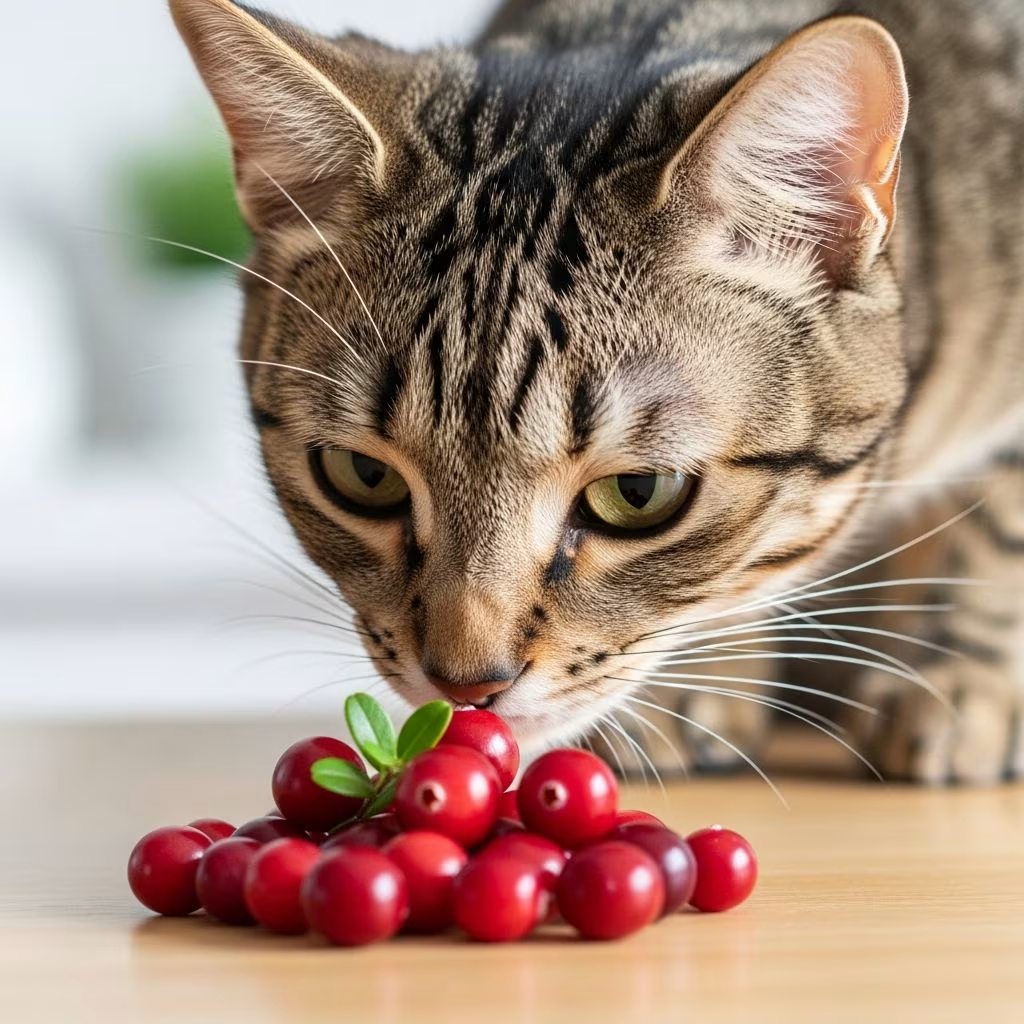
Can Cats Eat Cranberries?
Yes, cats can eat cranberries in moderation. When offered fresh or dried and in appropriate quantities, cranberries can be a safe and potentially beneficial treat for your feline companion. However, because cats are obligate carnivores by nature, they don’t require fruits and vegetables as part of their daily diet. Cranberries should be considered an occasional treat rather than a dietary staple.
Nutritional Content of Cranberries
Cranberries are nutrient-dense fruits that contain several vitamins and minerals beneficial to cats. These small bright red berries are packed with essential nutrients that can support your cat’s overall health when given appropriately.
- Vitamin C: Strengthens the immune system, helping your cat fight off bacteria and viruses more effectively
- Vitamin E: Provides antioxidant support and promotes skin and coat health
- Vitamin K: Essential for blood clotting and bone metabolism
- Manganese: Necessary for bone formation, joint cartilage development, and neurological function
- Copper and Iron: Support oxygen transport and metabolic processes
- Magnesium: Important for muscle and nerve function
- Proanthocyanidins: Plant compounds responsible for the cranberry’s red color and anti-inflammatory properties
- Polyphenols: Beneficial plant compounds that protect body tissues against oxidative stress and inflammation
- Dietary Fiber: Supports digestive health and promotes healthy digestion
One-half cup of chopped cranberries contains approximately 25 calories, making them a relatively low-calorie treat option for cats watching their weight.
Health Benefits of Cranberries for Cats
While cranberries offer several potential health benefits, it’s important to understand that their effectiveness varies depending on your cat’s individual health status and circumstances.
Urinary Tract Health Support
The most well-known benefit of cranberries is their potential to support urinary tract health. Cranberries contain proanthocyanidins, which are responsible for their distinctive red color. These compounds work by discouraging bacteria from adhering to the walls of the urinary tract. When bacteria cannot stick to the tract walls, they are more likely to be flushed out during normal urination, potentially reducing the risk of urinary tract infections.
Research suggests that cranberry supplements may help prevent urinary tract infections in cats, though more scientific studies are needed to fully understand their effectiveness. However, it’s crucial to note that cranberries appear to be less effective in treating an existing UTI once your cat has already developed one. If your cat is suffering from urinary issues, they require appropriate investigations and professional treatment from your veterinarian. Additionally, excessive cranberry concentrate or tablets may predispose cats to oxalate crystals and stones, so veterinary consultation is essential before considering any over-the-counter supplements.
Immune System Boost
Cranberries are an excellent source of vitamin C and antioxidants, which have anti-inflammatory properties. Vitamin C strengthens the immune system, enabling your cat to more effectively fight off bacteria and viruses. The high antioxidant content helps reduce inflammation throughout the body and protects cells from oxidative stress.
Hydration Support
Cats naturally have a weak thirst drive compared to other animals, making them prone to dehydration. This is particularly concerning for indoor cats who eat primarily dry kibble and may not consume enough moisture through their food alone. Fresh cranberries are nearly 90% water, making them an excellent way to increase your cat’s fluid intake while providing a tasty treat. This hydration support can be especially beneficial for cats at risk of developing urinary or kidney issues.
Digestive Health
The fiber found in cranberry skins provides bulk that moves food through the digestive tract, promoting overall digestive health. Fiber can also contribute to satiety, making your pet feel fuller longer. Some studies have explored fiber’s potential in preventing obesity and supporting weight management in cats, making cranberries a helpful addition for felines that need to maintain a healthy weight.
Antioxidant and Anti-Inflammatory Support
The polyphenols and proanthocyanidins in cranberries work together to protect the body’s tissues against oxidative stress and associated conditions such as inflammation, heart disease, and various disease processes. This comprehensive antioxidant support can contribute to your cat’s long-term health and wellbeing.
How Often Can Cats Eat Cranberries?
Cranberries should definitely only be fed as an occasional treat because they’re high in carbohydrates that your cat doesn’t naturally need. The general rule of thumb is that cranberries should constitute no more than 10% of your cat’s daily caloric intake. Since the average cat requires approximately 200-250 calories per day, and half a cup of chopped cranberries contains 25 calories, you should aim for well below that maximum to ensure you’re not overfeeding this treat.
No specific daily limit has been formally established for safe cranberry consumption in cats, so moderation and consultation with your veterinarian are key. If you’re considering cranberries as a functional supplement for a specific health concern, you should consult with your veterinarian about appropriate dosing and whether they’re suitable for your cat’s individual situation.
Safe Ways to Feed Cranberries to Your Cat
When introducing cranberries to your cat’s diet, proper preparation and presentation are essential for safety and acceptance.
Raw Cranberries
Fresh cranberries can be fed to cats raw, though many felines find the texture of raw cranberries unappealing due to their firmness and tart flavor. If you decide to offer raw cranberries, ensure they are fresh and washed thoroughly. Start with just a couple of cranberries to observe how your cat’s digestive system reacts to this new food.
Cooked Cranberries
Cooked cranberries without additives are a safe option for cats. Cooking can soften the berries and may make them more palatable to some felines. However, ensure no sugar, sweeteners, or other additives are added during cooking.
Dried Cranberries
Dried cranberries can be offered to cats, though they should still be given in very small quantities due to their concentrated nutrients and higher carbohydrate content. Ensure the dried cranberries contain no added sugars or preservatives.
Cranberry Supplements and Treats
Commercial cranberry supplements or treats specifically formulated for felines are convenient options. These products are designed with cats’ nutritional needs in mind and typically contain appropriate portion sizes. Always follow the manufacturer’s directions carefully when using commercial products.
Foods to Avoid
While plain cranberries are safe, certain cranberry products should never be given to cats:
- Cranberry Sauce: Most cranberry sauces contain high amounts of sugar and other additives that can be harmful to cats
- Cranberry Juice: Even 100% cranberry juice is high in carbohydrates and won’t offer significant benefits. Most commercial cranberry juice contains added sugars or comes in cranberry juice cocktails, which can seriously harm your cat
- Sweetened Cranberry Products: Any cranberry product containing added sugar, artificial sweeteners, or other additives should be completely avoided
- Cranberry Candies: These are extremely high in sugar and other harmful ingredients
Potential Side Effects and Health Considerations
While cranberries are generally safe when given in moderation, there are important health considerations to keep in mind.
Digestive Upset
Too many cranberries could upset your cat’s stomach or cause diarrhea. Because cats are carnivores and their digestive systems are adapted to process meat-based diets, introducing too many plant-based foods can cause gastrointestinal distress. Always start with small quantities and monitor your cat’s response.
Oxalate Crystals and Stones
Excessive consumption of cranberry concentrates or tablets may predispose cats to oxalate crystals and stones. This is a serious concern that makes veterinary consultation essential before starting any cranberry supplementation program, particularly for cats with a history of urinary issues.
Not a Treatment for Existing UTIs
While cranberries may help prevent urinary tract infections, they are significantly less effective at treating an infection once your cat has already developed one. If your cat shows signs of a UTI such as difficulty urinating, excessive urination, or blood in urine, professional veterinary treatment is necessary.
Introduction Tips for Your Cat
When trying to feed your cat anything new, it’s always best to check with your veterinarian first. This is especially important if your cat has existing health conditions or is taking medications. Follow these guidelines when introducing cranberries:
- Start with only a couple of small cranberries to see how your cat’s stomach reacts
- Observe your cat for 24 hours after the first serving for any signs of digestive upset
- If your cat tolerates the initial serving well, you can gradually increase to small, occasional portions
- Use the Pet Nutrition Alliance’s online calorie calculator to determine your cat’s specific caloric requirements and appropriate treat portions
- Keep detailed notes of your cat’s response to cranberries and any changes in behavior or digestion
Incorporating Cranberries Into Your Cat’s Diet
One of the easiest and safest ways to provide your cat with cranberry benefits is to choose a complete and balanced commercial cat food that includes cranberries as an ingredient. Cranberries are actually quite common in cat food formulations—approximately 28% of dry cat food varieties contain cranberries, and 16% of wet cat foods include them. These professionally formulated foods have been developed with appropriate nutritional balance and portion sizes in mind, making them an excellent option for cats who enjoy cranberries.
Frequently Asked Questions
Q: Are cranberries toxic to cats?
A: No, cranberries are not toxic to cats. When fed fresh or dried in moderation, they are a safe treat. However, avoid sweetened varieties, cranberry sauce, and cranberry juice cocktails, which can contain harmful additives and excessive sugar.
Q: How much cranberry can I give my cat daily?
A: Cranberries should constitute no more than 10% of your cat’s daily caloric intake. Since the average cat needs 200-250 calories daily, limit cranberry treats accordingly. Specific daily limits vary by individual cat, so consult your veterinarian for personalized recommendations.
Q: Can cranberries cure my cat’s UTI?
A: No, cranberries are less effective at treating existing urinary tract infections. While they may help prevent future infections when used regularly, they cannot replace veterinary treatment for an active UTI. Contact your vet immediately if your cat shows signs of a urinary tract infection.
Q: Is cranberry juice safe for cats?
A: Pure cranberry juice is technically safe but not recommended. It lacks the fiber and beneficial skin compounds found in whole cranberries and is high in carbohydrates. Most commercial cranberry juices contain added sugars, making them harmful to cats.
Q: What form of cranberries is best for cats?
A: Fresh cranberries without additives are ideal, though some cats may find them unappealing. Cooked or dried cranberries without added sugars are also acceptable. Commercial cranberry cat treats formulated specifically for felines are convenient and portion-controlled options.
Q: Can cranberries help prevent cat obesity?
A: Cranberries contain fiber that can contribute to satiety and has been studied for obesity prevention potential. However, they should never be used as a primary weight management tool. Consult your veterinarian about comprehensive weight management strategies for your cat.
Final Health Considerations
Cranberries, when offered fresh or dry and in moderation, can be a safe treat beneficial to your cat’s overall health and diet. However, several important factors should guide your decision to include cranberries in your cat’s nutrition plan. These factors include the type of cranberry product you’re considering, possible additives it may contain, your cat’s age, current health condition, and medical history.
Because felines are obligate carnivores, they don’t necessarily require the addition of fruits and vegetables in their daily meals as humans do. While cranberries offer certain health benefits, they should remain an occasional supplement to a nutritionally complete, meat-based feline diet rather than a dietary necessity. Always consult with your veterinarian before introducing new foods or supplements, especially if your cat has existing health concerns or a history of urinary issues. Your vet can provide personalized guidance on whether cranberries are appropriate for your individual cat and can monitor for any adverse effects.
References
- Can Cats Eat Cranberries? — Wag Walking. https://wagwalking.com/wellness/can-cats-eat-cranberries
- Can Cats Eat Cranberries? Benefits of Cranberries for Cats — Go Solutions. https://go-solutions.com/en-us/blog/can-cats-eat-cranberries
- What Fruits Can Cats Eat? 19 Fruits Safe for Cats — PetMD. https://www.petmd.com/cat/nutrition/which-fruits-can-cats-eat
- Can Dogs and Cats Eat Cranberries? — Scrumbles Natural Pet Food. https://scrumbles.co.uk/blogs/nutrition/can-dogs-and-cats-eat-cranberries
- Can Dogs and Cats Eat Cranberries? — Red Barn Pet Products. https://www.redbarn.com/blogs/blog/can-dog-cats-eat-cranberries
- Can Fruit Be Part of a Cat’s Diet? — Purina US. https://www.purina.com/articles/cat/feeding/can-cats-eat/fruits



