

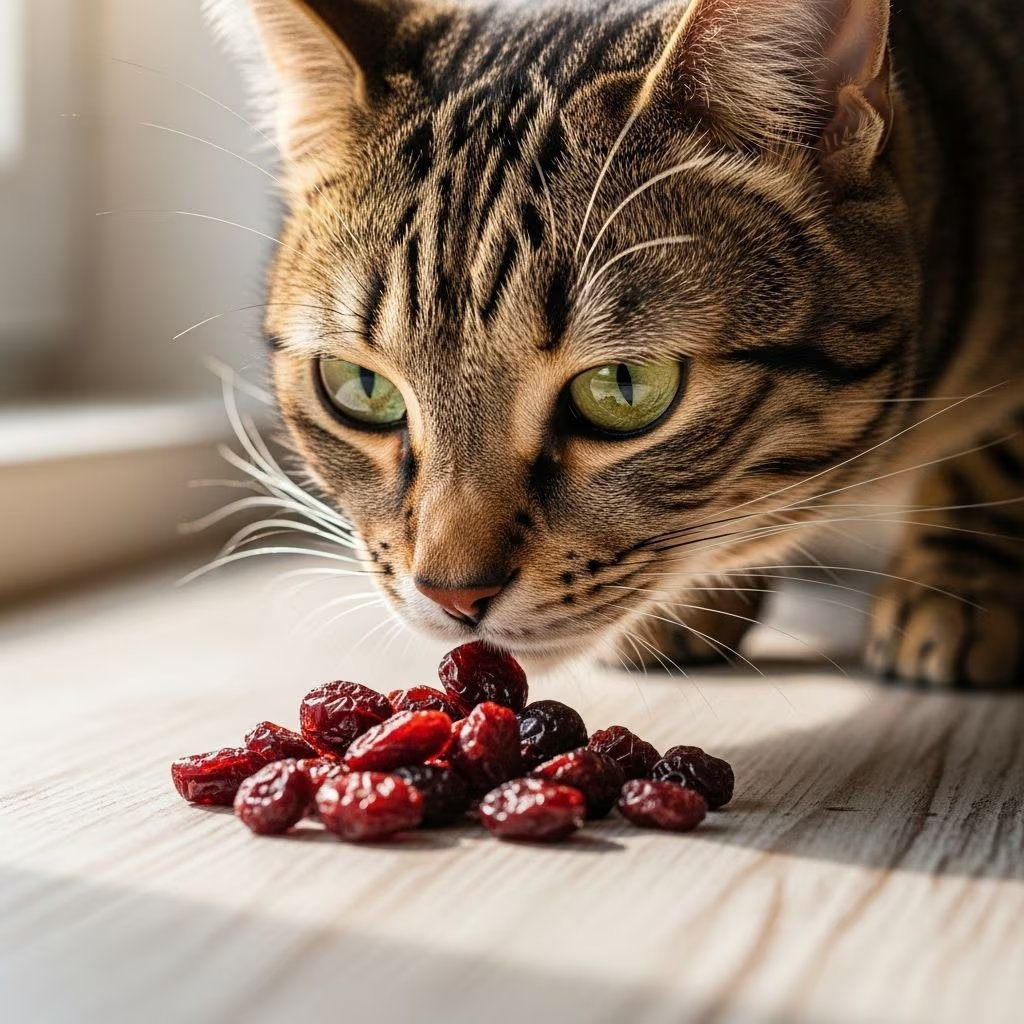
Craisins, the popular dried cranberries from Ocean Spray, are a chewy, sweet snack enjoyed by many humans. But as obligate carnivores, cats have vastly different nutritional needs. While Craisins are not toxic to cats and a small nibble won’t cause serious harm, they are not recommended due to added sugars and oils that provide no health benefits and could lead to issues over time.
This comprehensive guide explores why Craisins should be avoided, the safety of plain cranberries (fresh or dried), potential benefits and risks, safe alternative fruits, and expert tips for treating your cat right. Backed by veterinary insights, we’ll help you make informed choices to keep your feline thriving.
The Short Answer: Are Craisins Safe for Cats?
No, cats should not eat Craisins regularly. These dried cranberries are coated in sugar and sunflower oil, ingredients unnecessary and potentially problematic for cats. A single Craisin occasionally might not hurt, but routine feeding risks digestive upset, weight gain, and dental issues from excess sugar. Plain, unsweetened dried cranberries are a safer occasional option, though even these offer minimal nutritional value for cats.
Cats derive nearly all nutrients from high-quality meat-based diets. Fruits like cranberries are not essential and should comprise no more than 10% of daily calories to avoid imbalances.
What Exactly Are Craisins?
Craisins are cranberries dried to concentrate their flavor and texture, then sweetened with sugar (often cane sugar) and lightly coated in sunflower oil to prevent sticking. A typical 1/4 cup serving contains about 130 calories, 24g sugar, and 1g fat—mostly from the oil.
While cranberries themselves boast antioxidants like vitamin C, polyphenols, and fiber beneficial for human urinary health, processing into Craisins diminishes these while amplifying empty calories. Cats, lacking strong amylase production for carb digestion, struggle to process such treats efficiently.
Why Are Craisins Bad for Cats?
Several factors make Craisins suboptimal for feline diets:
- Added Sugar: Cats don’t taste sweetness well and don’t need carbs. Excess sugar can cause obesity, diabetes risk, and gastrointestinal upset like diarrhea.
- Sunflower Oil: Vegetable oils provide fats cats get adequately from animal sources. Unnecessary oils may contribute to calorie overload without benefits.
- High Carbohydrate Content: Dried fruits are carb-dense; cats thrive on protein-fat diets. Overfeeding leads to tummy troubles.
- Limited Nutritional Value: Antioxidants and vitamins in cranberries are redundant in balanced cat food.
If your cat sneaks a few Craisins, monitor for vomiting, lethargy, or diarrhea. Contact a vet if symptoms persist. Large amounts could exacerbate issues in sensitive cats.
Can Cats Eat Plain Dried or Fresh Cranberries?
Yes, plain cranberries—fresh, frozen, or unsweetened dried—are safe in tiny amounts. Remove stems and chop to prevent choking. Start with 1-2 small pieces to test tolerance.
Cranberries offer minor benefits like urinary tract support via proanthocyanidins, which may inhibit bacteria adhesion, though evidence in cats is limited compared to dogs. Vitamins C, E, K, and fiber aid digestion mildly but aren’t cat essentials.
Feeding Guidelines:
- Limit to 1-2 cranberries daily max (about 5-10 calories).
- Avoid sweetened varieties, sauces, juices, or candies.
- Raw cranberries’ tartness may deter cats; cooked (unsweetened) or pureed works better.
- Consult your vet, especially for cats with urinary issues or diabetes.
Commercial cat treats or foods with cranberries provide controlled doses.
Potential Health Benefits of Cranberries for Cats
Though not a dietary staple, cranberries may support:
- Urinary Health: Polyphenols prevent bacterial cling to bladder walls, potentially reducing UTIs (consult vet for supplements).
- Antioxidants: Vitamins combat oxidative stress, supporting immunity.
- Digestion: Fiber promotes gut motility, easing constipation in small doses.
Studies are sparse for cats; benefits are extrapolated from human/dog research. Prioritize vet-formulated foods.
Risks and Dangers of Cranberries for Cats
Moderation is key:
| Risk | Description | Prevention |
|---|---|---|
| Stomach Upset | High fiber/sugar causes diarrhea, gas | Small portions |
| Choking | Whole berries pose hazard | Chop finely |
| Calorie Overload | Leads to obesity | <10% daily calories |
| Oxalates | May contribute to stones in prone cats | Vet check first |
Pure cranberry juice (100%, unsweetened) is less beneficial due to lacking fiber/skin compounds and high carbs.
Other Fruits Cats Can Eat Safely
Cats enjoy select fruits occasionally. Safe options include:
- Blueberries: Antioxidants, vitamins C/K.
- Strawberries: Vitamin C, fiber (chop, limit seeds).
- Watermelon: Hydrating, vitamins A/C (no rind/seeds).
- Bananas: Potassium, in tiny slices.
- Apples: Flesh only, no seeds/core.
- Mango: Vitamins A/C, fiber (no pit/skin).
- Raspberries: Fiber, antioxidants.
- Kiwi: Vitamin C, digestion aid (peeled, small).
- Pears: Fiber (no seeds).
- Pineapple: Enzymes, vitamins (fresh, small).
Dangerous Fruits: Grapes/raisins (kidney failure risk), cherries (pits cyanide), etc.
How to Safely Offer Fruits to Your Cat
- Introduce gradually: One small piece, observe 24-48 hours.
- Portion control: Treats ≤10% calories (e.g., 20 cal/day max).
- Prepare properly: Wash, chop, remove hazards.
- Prioritize meat-based treats: Commercial or plain cooked chicken.
- Vet approval: Especially for health conditions.
Best Treat Alternatives for Cats
- Commercial cat treats (low-cal).
- Cooked meat/fish (salmon, chicken).
- Pumpkin puree (digestion).
- Catnip or silver vine.
Frequently Asked Questions (FAQs)
Can cats eat Craisins?
A: Occasionally one or two won’t harm, but avoid due to sugar/oil.
Are plain cranberries safe for cats?
A: Yes, in small amounts; chop and limit to prevent upset.
Can cranberry juice hurt cats?
A: Unsweetened 100% juice in tiny sips ok, but prefer whole berries.
What fruits are toxic to cats?
A: Grapes, raisins; others like citrus in excess.
How much fruit per day for cats?
A: No more than 10% calories; ideally minimal.
Keep fruits occasional; focus on balanced nutrition for a healthy cat.
References
- Can Cats Eat Craisins? Vet-Approved Health & Safety Guide — Hepper. 2023. https://articles.hepper.com/can-cats-eat-craisins/
- Can Cats Eat Cranberries? — WagWalking. 2023. https://wagwalking.com/wellness/can-cats-eat-cranberries
- What Human Foods Can Cats Eat? — Chewy. 2024. https://www.chewy.com/education/cat/food-and-nutrition/what-human-foods-can-cats-eat
- What Fruits Can Cats Eat? 19 Fruits Safe for Cats — PetMD. 2024. https://www.petmd.com/cat/nutrition/which-fruits-can-cats-eat
- Can Dogs and Cats Eat Cranberries? — Scrumbles. 2023. https://scrumbles.co.uk/blogs/nutrition/can-dogs-and-cats-eat-cranberries
- Can Cats Eat Cranberries? Benefits of Cranberries for Cats — Go! Solutions. 2024. https://go-solutions.com/en-us/blog/can-cats-eat-cranberries



