

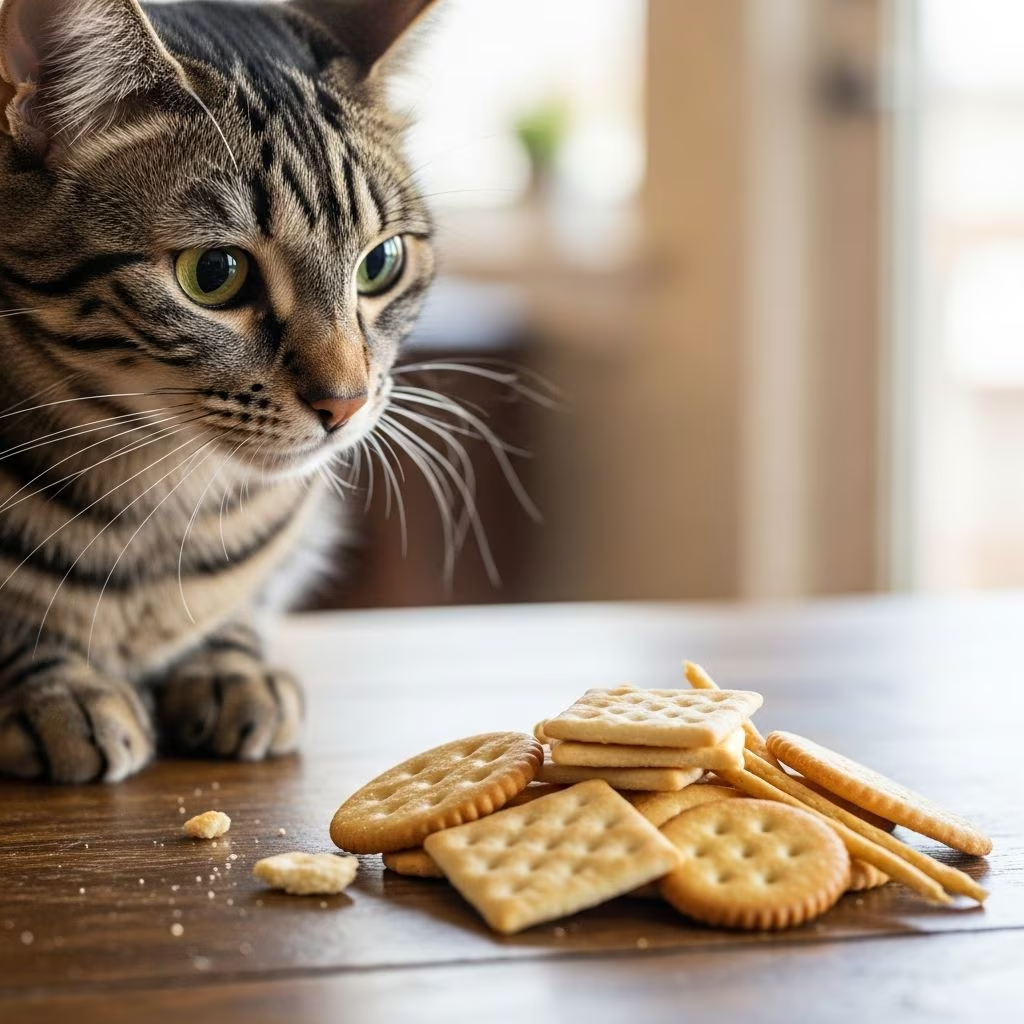
Cats are obligate carnivores, meaning their diet should primarily consist of meat-based proteins rather than carbohydrates or processed human foods like crackers. Plain crackers are not toxic to cats in small amounts, but they offer no nutritional value and can pose health risks due to high salt, carbs, and potential additives.
While a tiny nibble from a dropped cracker won’t likely harm your cat, regular feeding is discouraged as it can lead to digestive upset, obesity, or more serious issues. This article explores the safety of crackers for cats, specific types, risks, and better alternatives.
Can Cats Eat Crackers?
The short answer is no, cats should not eat crackers as a regular treat. Crackers are typically made from flour, salt, fats, and sometimes sugars or flavorings, none of which align with a cat’s nutritional needs. Cats lack the enzymes to efficiently digest high-carb foods, leading to potential gastrointestinal issues.
However, if your cat sneaks a small piece, monitor for symptoms like vomiting or diarrhea. A single bite is usually harmless, but frequency and quantity matter. Veterinary experts emphasize sticking to cat-specific foods to avoid nutritional imbalances.
Are Crackers Safe for Cats?
Crackers are not inherently toxic but are unsafe for regular consumption. As obligate carnivores, cats require animal proteins, taurine, and specific fats—not grains or sodium-heavy snacks. Small amounts might not cause immediate harm, but repeated exposure risks health complications.
- Nutritional mismatch: Crackers provide empty carbs with little protein.
- Digestive sensitivity: Cats’ short digestive tracts struggle with processed grains.
- Additive dangers: Many contain onion, garlic, or xylitol, which are toxic.
Plain varieties without harmful additives may be tolerated in tiny pieces occasionally, but they displace nutrient-rich foods.
Possible Side Effects of Giving Your Cat Crackers
Even non-toxic crackers can cause problems due to their composition. High sodium from salted varieties like saltines can lead to dehydration, elevated blood pressure, or salt poisoning if consumed excessively.
Carbohydrates and fats contribute to:
- Vomiting, diarrhea, or constipation from poor digestibility.
- Obesity and diabetes risk with frequent feeding.
- Pancreatitis from high-fat types.
Allergic reactions, though rare, may include itching, skin issues, or respiratory distress from grains or preservatives. Choking or blockages are concerns with dry, crumbly textures, especially for kittens.
Health Risks of Crackers for Cats
Key risks stem from crackers’ ingredients, which mismatch feline biology:
| Risk Factor | Details | Potential Effects |
|---|---|---|
| High Salt/Sodium | Common in saltines and flavored crackers | Dehydration, hypertension, kidney strain, seizures |
| Excess Carbs | From flour and grains | Gas, bloating, diarrhea, weight gain |
| High Fats | In fried or buttery varieties | Obesity, pancreatitis |
| Gluten/Allergens | Wheat-based crackers | Skin issues, digestive upset |
| Toxic Additives | Onion/garlic powder, xylitol | Anemia, organ failure |
These risks escalate with larger amounts or cats with pre-existing conditions like kidney disease.
Which Types of Crackers Can Cats Eat?
Not all crackers are equal; some are marginally safer than others:
- Plain crackers: Lowest risk if unsalted and plain, but still carb-heavy.
- Graham crackers: Contain sugar and fats; occasional tiny piece okay, no benefits.
- Whole grain/rice crackers: Better digestibility, but monitor for gluten issues.
- Saltines: High salt makes them risky; avoid.
- Goldfish/Ritz/Animal crackers: Flavored with salts/fats; not recommended.
Peanut butter crackers: Safe only if xylitol-free; otherwise toxic. Filled varieties often contain unsafe ingredients.
How Many Crackers Can Cats Eat?
Limit to an absolute minimum: half a small cracker per week at most, broken into tiny pieces. Treats should not exceed 10% of daily calories. Prioritize water access post-consumption to counter salt.
For a 10-lb cat, even one whole cracker could cause upset. Always observe for 24-48 hours after accidental ingestion.
Benefits of Feeding Crackers to Cats
There are virtually no benefits. Crackers lack essential nutrients like taurine, vital for cat heart and eye health. They provide empty calories without meat proteins cats crave. Any ‘enjoyment’ is short-term and outweighed by risks.
Conclusion
While a stolen cracker nibble rarely causes harm, crackers are not suitable treats for cats. Their high carb, salt, and fat content can lead to digestive woes, obesity, and chronic issues. Opt for vet-approved alternatives to support your cat’s health. Consult a vet for personalized advice, especially if symptoms appear.
Frequently Asked Questions
Q: Can cats eat plain crackers?
Plain crackers are not toxic in tiny amounts but offer no nutrition and risk digestive upset or dehydration. Avoid regular feeding.
Q: Are saltine crackers safe for cats?
No, due to high sodium risking salt poisoning, dehydration, and heart/kidney strain.
Q: What if my cat ate a cracker?
Monitor for vomiting, diarrhea, or lethargy. Provide water and contact a vet if issues persist.
Q: Can cats eat graham crackers?
A tiny piece is unlikely to harm, but sugar and fats make them unsuitable.
Q: Are peanut butter crackers okay for cats?
Only if xylitol-free; otherwise, toxic. Even safe ones are fatty.
Q: What are better treats than crackers?
Commercial cat treats, plain cooked meat, or vet-recommended snacks high in protein.
Healthier Alternatives to Crackers for Cats
Choose these cat-safe options:
- Commercial freeze-dried meat treats.
- Small pieces of plain cooked chicken or fish.
- Catnip-infused toys or treats for stimulation.
- Low-carb kibble pieces as rewards.
- Hydrating wet food toppers.
These provide protein, hydration, and dental benefits without risks.
References
- Can Cats Eat Saltine Crackers? — Pet Super Market. 2023. https://petsupermarket.shop/blogs/news/can-cats-eat-saltine-crackers
- Can Cats Eat Graham Crackers? Vet-Reviewed Facts & Alternatives — Catster. 2024-05-15. https://www.catster.com/nutrition/can-cats-eat-graham-crackers/
- [ASK a VET]: CAN Cats EAT CRACKERS? — MyCatTips. 2023. https://mycattips.com/can-cats-eat-crackers-graham-goldfish-ritz/
- Can Cats Have Crackers? Safe Snack Guide — Zoorithm. 2024. https://www.zoorithm.com/cats/can-cats-have-crackers
- Can Cats Eat Crackers? Vet-Verified Facts & Safe Alternatives — Catster. 2025-03-10. https://www.catster.com/cat-health-care/can-cats-eat-crackers/
- Can Cats Eat Crackers? Vet-Reviewed Facts & Considerations — Hepper. 2024. https://articles.hepper.com/can-cats-eat-crackers/
- Foods Poisonous to Cats: 4 Dangerous Ones to Avoid — PetPlace.com. 2023-11-20. https://www.petplace.com/article/cats/pet-health/cat-health/cat-diet-nutrition/the-ultimate-guide-to-what-cats-cant-eat



