

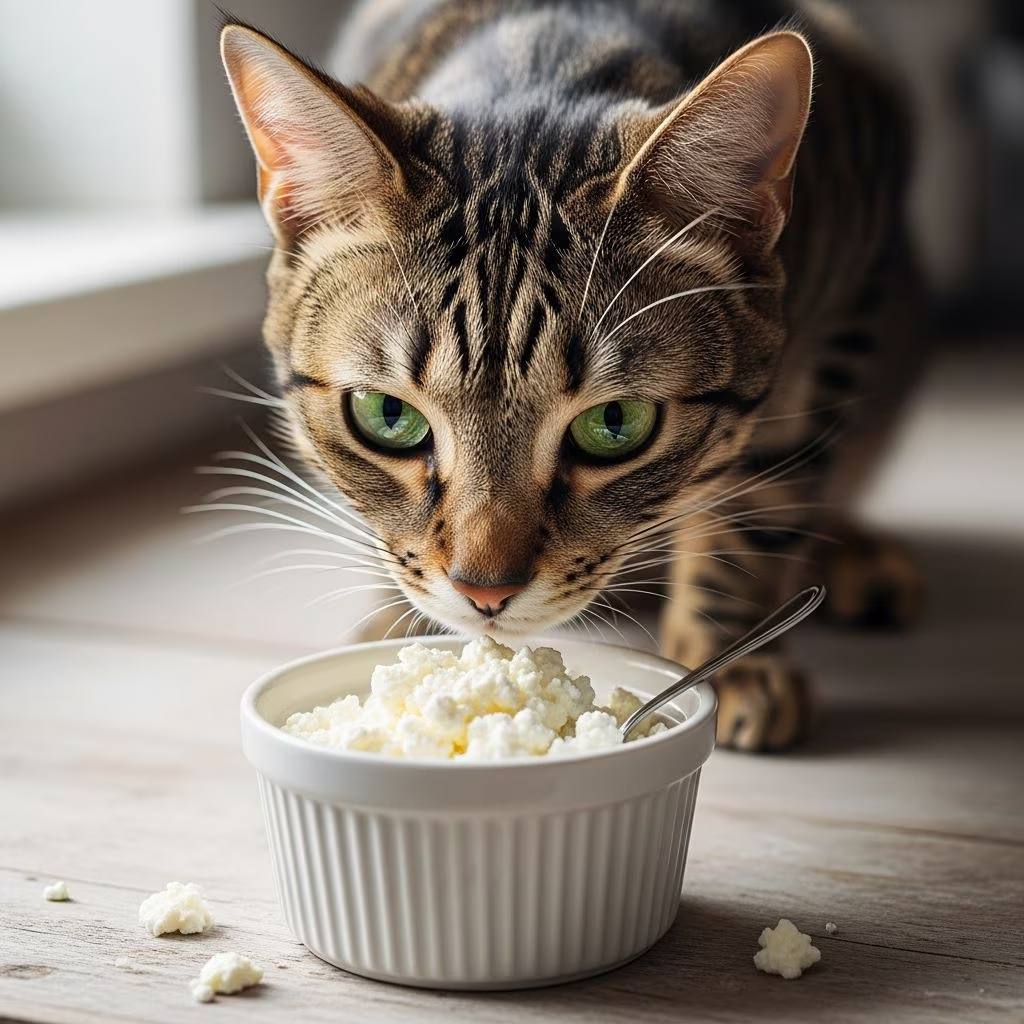
Cottage cheese can be fed to cats in small amounts as an occasional treat, but it is not recommended as a regular part of their diet due to lactose content and potential digestive issues.
Is Cheese Bad for Cats?
Cheese, including cottage cheese, contains lactose, a sugar that most adult cats struggle to digest after weaning because they produce less lactase enzyme. This lactose intolerance can lead to symptoms like diarrhea, vomiting, gas, constipation, and abdominal pain in sensitive cats.
Despite these risks, cats may crave cheese due to its high protein and fat content, even if it’s not ideal for their digestion. Cheese should be avoided for obese cats or those on weight-loss diets, as it adds unnecessary calories.
Compared to harder cheeses like cheddar or brie, which have lower lactose, cottage cheese is softer and retains more moisture, thus higher lactose levels, making it riskier for many felines.
Can Cats Eat Cottage Cheese?
Among cheeses, cottage cheese stands out as relatively cat-friendly: it’s high in protein, lower in fat than many dairy options, and has moderate lactose levels. A typical serving provides substantial protein (25-40g per 100g) with low carbs, including lactose.
| Nutrient (per 100g) | Amount |
|---|---|
| Energy | ~400 kcal |
| Protein | 25-40 g |
| Fat | 5-10 g |
| Carbohydrates (incl. Lactose) | ~0-3 g |
Still, limit to a tiny taste, like a teaspoon, occasionally to avoid disruptions. It’s useful for hiding pills after draining excess liquid. Monitor for reactions, as sensitivity varies.
How Much Cottage Cheese Can Cats Eat?
Offer no more than 1-2 teaspoons daily, mixed with regular food if needed. A small tablespoon a few times weekly is safe for most tolerant cats.
Start small to test tolerance, choosing low-fat or non-fat varieties to minimize calorie and sodium intake. High sodium can cause dehydration or electrolyte issues. Discontinue if diarrhea, vomiting, or upset occurs.
Benefits of Cottage Cheese for Cats
Cottage cheese offers several potential upsides when given sparingly:
- Protein Source: Provides high-quality protein essential for cats as obligate carnivores, supplementing their diet without replacing meat-based food.
- Calcium Boost: Rich in calcium supporting bone health.
- Digestion Aid: Contains probiotics that may help mild stomach issues in tolerant cats.
- Appealing Texture: Creamy consistency entices picky eaters; mix with kibble or wet food.
- Low Fat Option: Low-fat versions suit weight management better than richer cheeses.
Dangers of Feeding Cottage Cheese to Cats
Key risks include:
- Lactose Intolerance: Primary issue causing GI upset like diarrhea, vomiting, gas.
- High Sodium: Leads to thirst, dehydration, or salt poisoning in excess.
- Caloric Density: Contributes to obesity if overfed.
- Allergies: Rare dairy allergies can trigger itching or worse.
Individual tolerance varies; some cats handle it fine, others react poorly even to small amounts.
Can Kittens Eat Cottage Cheese?
Kittens produce more lactase initially from mother’s milk, but levels drop post-weaning, making them sensitive soon after. Avoid cottage cheese for kittens; stick to kitten-formulated food for balanced nutrition. Consult a vet before any dairy.
Conclusion
Cottage cheese can be a protein-rich occasional treat for many cats if tolerated, but prioritize their complete commercial diet. Introduce gradually, monitor closely, and opt for low-fat, low-sodium types. It’s no substitute for vet-recommended nutrition, and persistent issues warrant professional advice.
Frequently Asked Questions
Is cottage cheese safe for all cats?
No, not for lactose-intolerant cats. Introduce gradually and watch for digestive upset.
How can I tell if my cat is lactose intolerant?
Look for diarrhea, vomiting, gas, or stomach upset after dairy.
Can kittens eat cottage cheese?
Generally no; their digestion shifts post-weaning. Use kitten-specific food.
What other human foods can cats eat?
Cooked plain meats, fish, veggies like carrots, fruits like blueberries—always vet-approved and plain.
Should I consult my vet before feeding cottage cheese?
Yes, for personalized advice based on health and diet.
How often can I give cottage cheese to my cat?
1-2 teaspoons occasionally, a few times weekly max for tolerant cats.
Is low-fat cottage cheese better for cats?
Yes, reduces fat and calorie risks while retaining protein.
References
- Can Cats Have Cottage Cheese? — Modern Vet. 2023. https://modernvet.com/can-cats-have-cottage-cheese/
- Can Cats Eat Cottage Cheese? Vet-Verified Nutrition Facts — Catster. 2024-05-15. https://www.catster.com/nutrition/can-cats-eat-cottage-cheese/
- Can Cats Eat Cottage Cheese? Vet-Verified Facts — Huston Veterinary. 2023-11-20. https://hustonveterinary.com/can-cats-eat-cottage-cheese/
- Can Cats Eat Cheese? Risks & Safe Feeding Tips — MichuPet. 2024. https://michupet.com/blogs/nutrition/can-cats-eat-cheese
- Can Cats Eat Cheese? — PetMD. 2024-08-10. https://www.petmd.com/cat/nutrition/can-cats-eat-cheese



