

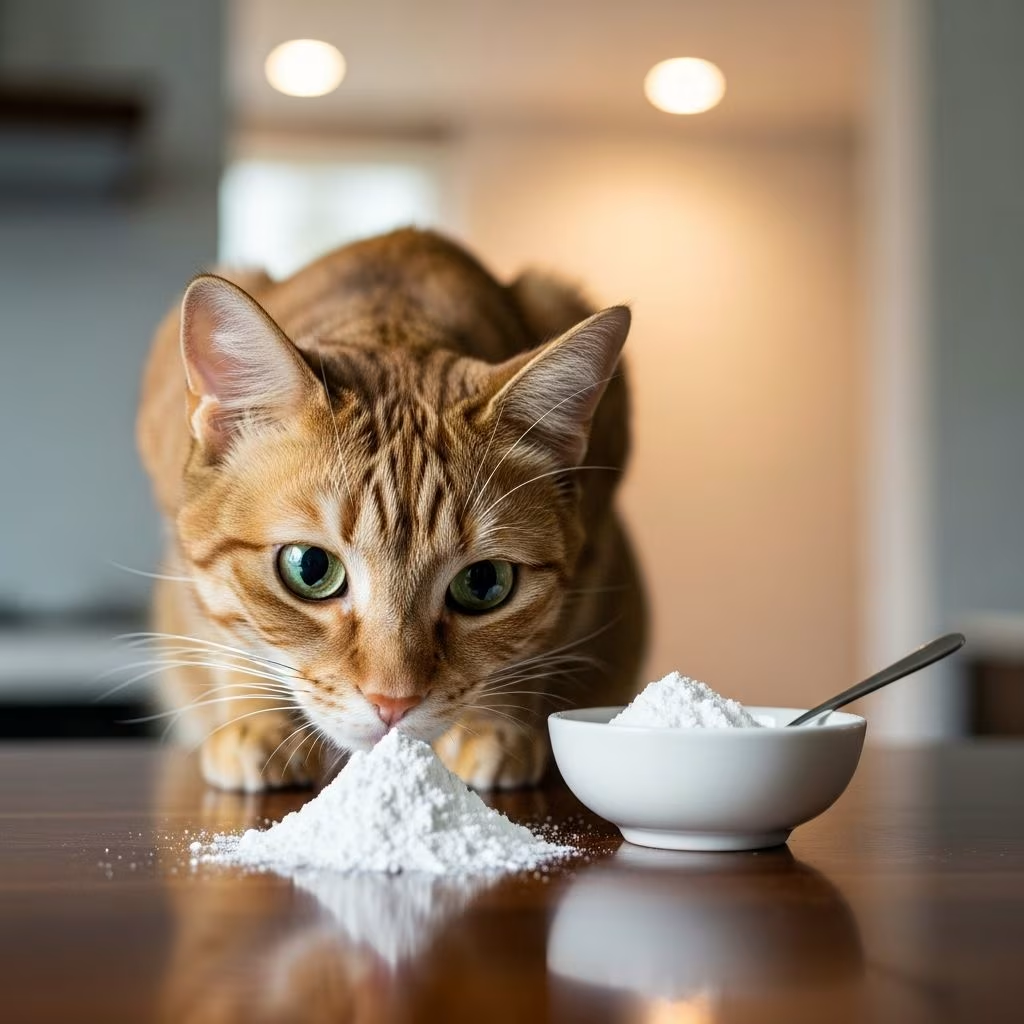
Cornstarch is not toxic to cats, but it is not recommended as a treat or dietary addition because cats, as obligate carnivores, derive no significant nutritional benefit from it and it may cause digestive upset. While small amounts accidentally ingested are unlikely to harm most cats, offering cornstarch from your kitchen is unnecessary and potentially problematic for their health.
The Short Answer
The short answer is no—cats should not eat cornstarch. Although it’s non-toxic, this plant-based carbohydrate lacks essential nutrients cats need from animal proteins and can lead to stomach issues if consumed in excess. Cats thrive on meat-based diets, and cornstarch does not align with their biological requirements as obligate carnivores.
Why Cats Shouldn’t Eat Cornstarch
Cats are obligate carnivores, evolved to obtain nearly all nutrients from animal sources. Their digestive systems are optimized for proteins and fats, not carbohydrates like cornstarch, which is derived from corn kernels and primarily serves as a thickener in human cooking. Feeding cornstarch provides empty calories without taurine, arachidonic acid, or other vital nutrients cats cannot synthesize.
Excessive intake can cause gastrointestinal distress, including vomiting, diarrhea, or bloating, due to poor carbohydrate digestion in felines. Veterinary experts note that while cats can digest some processed starches (40-100% efficiency when cooked), raw or plain cornstarch offers no value and risks imbalance in their diet.
Is Cornstarch in Cat Food Safe?
Yes, cornstarch appears in many commercial cat foods as a processed carbohydrate source, where it’s safe in moderation because it’s properly cooked and balanced with proteins. It acts as a digestible energy source, providing insoluble fiber, fatty acids, and vitamins when formulated correctly. However, it’s not essential—cats don’t require grains, and high-carb foods may contribute to obesity or diabetes in predisposed individuals.
Tufts University veterinary nutritionists affirm corn products like cornstarch are beneficial in appropriate amounts in pet food, countering myths of it being mere filler. Always choose AAFCO-approved foods prioritizing animal proteins over grains.
- Pros of cornstarch in cat food: Affordable energy, fiber for digestion, low allergenicity.
- Cons: Unnecessary for obligate carnivores; excess carbs risky for diabetic cats.
Nutritional Breakdown of Cornstarch for Cats
Cornstarch is nearly pure carbohydrates (about 91% carbs, minimal protein or fat), offering quick energy but no complete nutrition for cats. Cats metabolize carbs less efficiently than dogs, converting them to fat if unused, per research on feline carbohydrate tolerance.
| Nutrient | Amount per 100g | Benefit for Cats? |
|---|---|---|
| Carbohydrates | 91g | Limited; cats prefer protein energy |
| Protein | 0.3g | Negligible; cats need 26-30% dietary protein |
| Fat | 0.1g | Insufficient; essential fatty acids from meat |
| Fiber | 0.9g | Minor digestive aid |
This table highlights why cornstarch isn’t ideal—cats require high-protein diets (e.g., 50%+ from animal sources) for optimal health.
Risks and Side Effects of Cornstarch for Cats
While not poisonous, risks include:
- Digestive upset: Vomiting, diarrhea from indigestible starch.
- Weight gain: Carbs convert to fat, risking obesity.
- Blood sugar spikes: Harmful for diabetic cats.
- Nutrient dilution: Displaces vital proteins/fats.
Monitor for symptoms post-ingestion: lethargy, appetite loss, or stool changes. Contact a vet if persistent. Kittens and seniors are more vulnerable due to sensitive digestion.
What If Your Cat Eats Cornstarch?
If your cat consumes a small amount, observe for 24-48 hours. Most tolerate it fine, but large quantities (e.g., from a spilled box) warrant vet attention for dehydration or blockages. Hydrate your cat and withhold food briefly if vomiting occurs. Never induce vomiting without professional advice.
Alternatives: Can Cats Eat Corn Flour or Other Corn Products?
Can Cats Eat Corn Flour?
Corn flour, ground from whole corn, is non-toxic but nutritionally irrelevant for cats. It contains some protein/fiber/vitamins but lacks essential amino acids. Less allergenic than flour in some cases, but avoid as a treat—keep counters clean.
Other Corn Products
- Corn (kernels): Safe in tiny amounts; provides fiber but acts as filler. Avoid on cob (choking hazard).
- Canned/frozen corn: Okay plain, unseasoned; offers hydration.
- Corn chips/popcorn: No—high salt/fat/spices toxic.
- Corn husks/leaves: Risky; cause blockages or GI issues.
- Sweet corn: Fine grilled/boiled, plain, sparingly.
Better treats: Commercial cat treats, cooked meat, or veggies like pumpkin for fiber.
Cornstarch for Grooming or Skin Issues?
Some use cornstarch as a dry shampoo for cats—safe in moderation if brushed out thoroughly, as ingestion during grooming is minimal. Avoid eyes/mouth; never mix with oils (toxic to cats). Wet baths with vet-approved shampoos are preferable for heavy soiling.
Warnings: Not a medical treatment. For skin issues, see a vet—could indicate allergies or infections.
Best Diet for Cats: Vet Recommendations
Prioritize high-protein, low-carb wet foods mimicking prey (70-80% moisture, animal-based). Consult vets for personalized plans, especially for overweight, diabetic, or allergic cats. Grain-free options suit some, but not all—balance is key.
Research shows cats tolerate moderate carbs without obesity/diabetes risk if calories controlled, debunking ‘zero-carb’ myths.
Frequently Asked Questions (FAQs)
Is cornstarch toxic to cats?
No, but it can cause vomiting/diarrhea. Avoid offering it.
Why is cornstarch in cat food?
As processed carbs for energy/fiber; safe in balanced formulas.
Can kittens eat cornstarch?
No—sensitive stomachs; stick to kitten formula.
Is corn flour better than cornstarch for cats?
Neither is needed; both offer little value.
What happens if a cat eats a lot of cornstarch?
Possible GI upset or obesity risk; vet if symptomatic.
Final Thoughts
Cornstarch has no place as a cat treat—stick to vet-formulated foods emphasizing meat. While safe in commercial products, plain cornstarch risks digestive woes without benefits. For healthy felines, prioritize protein-rich diets to prevent issues like diabetes. Always consult your veterinarian for tailored nutrition advice.
References
- Can Cats Eat Cornstarch? Vet-Reviewed Nutritional Health & Safety — Hepper. 2023. https://articles.hepper.com/can-cats-eat-cornstarch/
- Can Cats Eat Corn? Here’s Everything You Need to Know — Pawlicy Advisor. 2023. https://www.pawlicy.com/blog/can-cats-eat-corn/
- Can Cats Eat Corn? — Cats.com. 2023. https://cats.com/can-cats-eat-corn
- Cats and Carbohydrates: The Carnivore Fantasy? — National Center for Biotechnology Information (PMC). 2017-12-20. https://pmc.ncbi.nlm.nih.gov/articles/PMC5753635/



