

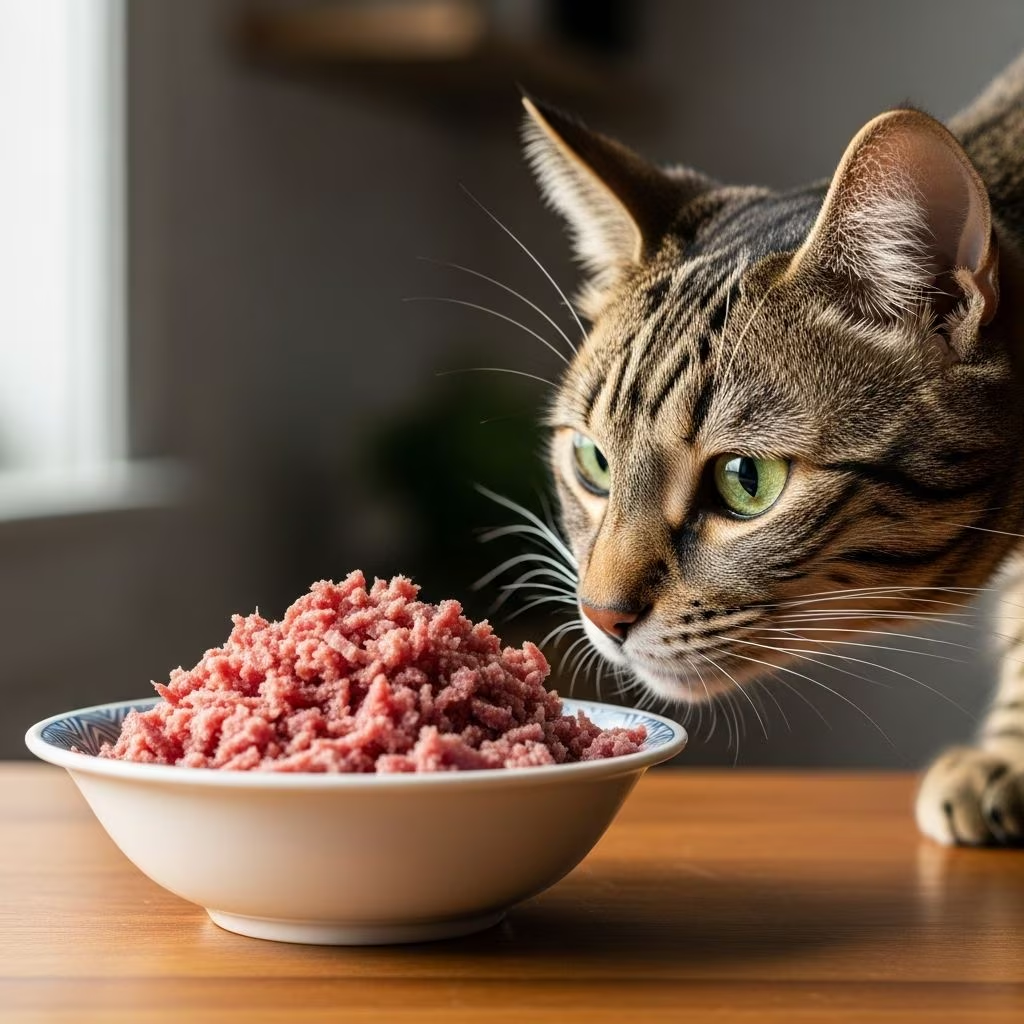
Cats are obligate carnivores that thrive on high-protein diets, but human foods like corned beef raise concerns due to processing and additives. While a tiny, plain bite occasionally won’t harm most cats, corned beef’s high sodium content, potential toxic seasonings like garlic and onion, and lack of balanced nutrition make it unsuitable as a regular treat.
Corned beef is beef brisket cured in a brine heavy with salt and spices, often including sugar or alliums. Cats don’t need extra salt beyond what’s in commercial cat food, and excess can lead to dehydration or worse. This article breaks down the risks, nutritional profile, safe feeding guidelines, alternatives, and what to do if your cat sneaks a taste.
The Dangers of Corned Beef for Cats
Despite its protein base, corned beef poses several health risks for felines. Understanding these helps cat owners make informed choices during holidays like St. Patrick’s Day when the dish is popular.
High Sodium Content
Corned beef’s curing process involves soaking meat in saltwater brine, resulting in extremely high sodium levels. Cats require sodium for electrolyte balance, but commercial kibble or wet food already provides adequate amounts. Excess sodium can cause thirst, dehydration, elevated blood pressure, and in severe cases, salt poisoning with symptoms like vomiting, diarrhea, tremors, seizures, or even death.
Cats with kidney disease, heart conditions, or hypertension are especially vulnerable, as high salt exacerbates these issues. Even healthy cats risk cumulative damage from repeated exposure. A small bite might not trigger acute poisoning—cats would need to consume massive quantities—but it’s unnecessary and risky.
Toxic Seasonings: Garlic and Onion
Many corned beef recipes or pre-packaged versions include garlic powder, onion powder, or other allium family members. These are toxic to cats, damaging red blood cells and causing hemolytic anemia. Garlic is up to five times more potent than onions in toxicity.
Symptoms of allium poisoning include vomiting, diarrhea, abdominal pain, weakness, pale gums, rapid breathing, and collapse. Even small amounts can trigger gastrointestinal upset without full anemia if exposure is low. Always check labels or recipes—avoid anything with these ingredients entirely.
Other Concerns: Fat, Sugar, and Additives
Corned beef is fatty, which can lead to pancreatitis or obesity in cats unaccustomed to rich foods. Added sugars in some brines contribute empty calories without nutritional value. Preservatives like nitrates in canned or processed versions may irritate sensitive stomachs.
- Pancreatitis risk: High fat triggers inflammation of the pancreas, causing severe pain and vomiting.
- Obesity: Calorie-dense without fiber, leading to weight gain over time.
- Digestive upset: Spices or unfamiliar textures can cause diarrhea or constipation.
Nutritional Value of Corned Beef for Cats
Beef provides protein and some taurine, essential for cat heart and eye health. Corned beef contains taurine but less than fresh poultry like chicken or turkey. Processing destroys some nutrients, and high salt overshadows benefits.
| Nutrient | In Corned Beef | Cat Needs | Issue |
|---|---|---|---|
| Protein | High | Essential | Good, but unbalanced |
| Taurine | Present (low) | Critical | Better sources exist |
| Sodium | Very High | Moderate | Excessive risk |
| Fat | High | Moderate | Pancreatitis risk |
| Vitamins/Minerals | Variable | Specific needs | Leached by brining |
As shown, corned beef isn’t a nutrient powerhouse for cats. Stick to vet-formulated foods meeting AAFCO standards for complete nutrition.
Can Cats Eat Corned Beef Hash?
No, avoid corned beef hash entirely. It often includes onions, potatoes, and more salt or seasonings toxic to cats. Potatoes aren’t ideal for carnivores, and the mix increases choking or digestive risks. Canned versions have preservatives cats can’t process well.
Feeding Corned Beef to Cats Safely (If at All)
Plain, unseasoned corned beef in minuscule amounts as a rare treat is the only semi-safe option—but even then, it’s not recommended. Here’s how to minimize harm:
Serving Size Guidelines
Cats need tiny portions due to their size. A pea-sized piece (under 1/4 teaspoon) once a month max for a 10-lb cat.
- Kittens/seniors: Avoid completely.
- Healthy adults: Occasional micro-treat only.
- Never more than 10% of daily calories from treats.
Preparation Tips
If offering, select plain boiled brisket without spices. Rinse thoroughly under cold water to leach salt, though not all removes. Chop finely to prevent choking. Never use canned, deli, or cooked with onions/garlic.
Mixing with regular food dilutes risks but doesn’t eliminate them—keep portions tiny.
What to Do If Your Cat Eats Corned Beef
If your cat grabs a small bite, monitor for 24-48 hours. No symptoms? Likely fine. Watch for:
- Salt poisoning: Excessive thirst, vomiting, lethargy, tremors.
- Allium toxicity: Drooling, pale gums, weakness, dark urine.
- GI issues: Diarrhea, loss of appetite.
Contact a vet or poison hotline (e.g., ASPCA at 888-426-4435) if symptoms appear or large amounts ingested. Provide details on quantity and ingredients. Early intervention prevents complications.
Cat-Safe Alternatives to Corned Beef
Celebrate holidays without risk using plain, cooked meats:
- Boiled chicken/turkey: High protein, taurine-rich, low salt.
- Baked fish (no bones): Salmon or tuna in water, sparingly.
- Commercial treats: Freeze-dried meat bits formulated for cats.
- St. Patrick’s tweaks: Plain boiled brisket (rinsed), tiny veggie nibbles like carrot (non-toxic but low value).
Avoid cabbage or potatoes—cats derive little nutrition from veggies.
Frequently Asked Questions (FAQs)
Q: Does corned beef contain enough taurine for cats?
A: It has some taurine but far less than chicken or turkey. Rely on balanced cat food for taurine needs.
Q: How much corned beef can I safely give my cat?
A: A tiny piece occasionally at most. Daily or large amounts risk health issues.
Q: Can corned beef cause allergies in cats?
A: Possible if beef-sensitive, but rare. Watch for itching, vomiting; consult vet.
Q: Is canned corned beef okay for cats?
A: No—higher salt, preservatives, and often toxic additives. Cats can’t process excess well.
Q: Can I mix corned beef with my cat’s kibble?
A: In very small amounts yes, but better to skip for safer treats.
Q: What if my cat ate corned beef hash?
A: Monitor closely for onion/garlic toxicity; call vet immediately if symptoms show.
This comprehensive guide ensures your cat stays safe. Prioritize species-appropriate nutrition for a long, healthy life.
References
- Can Cats Eat Corned Beef? Vet-Approved Facts & FAQ — Hepper. 2023. https://articles.hepper.com/can-cats-eat-corned-beef/
- Can Cats Eat Corned Beef? Risks & Nutrition Info — Catster. 2023. https://www.catster.com/nutrition/can-cats-eat-corned-beef/
- Can cats eat corned beef? — Modern Vet. 2023. https://modernvet.com/can-cats-eat-corned-beef/
- Can Cats Eat Corn? Benefits, Risks, and Feeding Tips — PetMD. 2024. https://www.petmd.com/cat/nutrition/can-cats-eat-corn
- Pet Nutrition Guidelines — ASPCA. 2025. https://www.aspca.org/pet-care/animal-poison-control



