

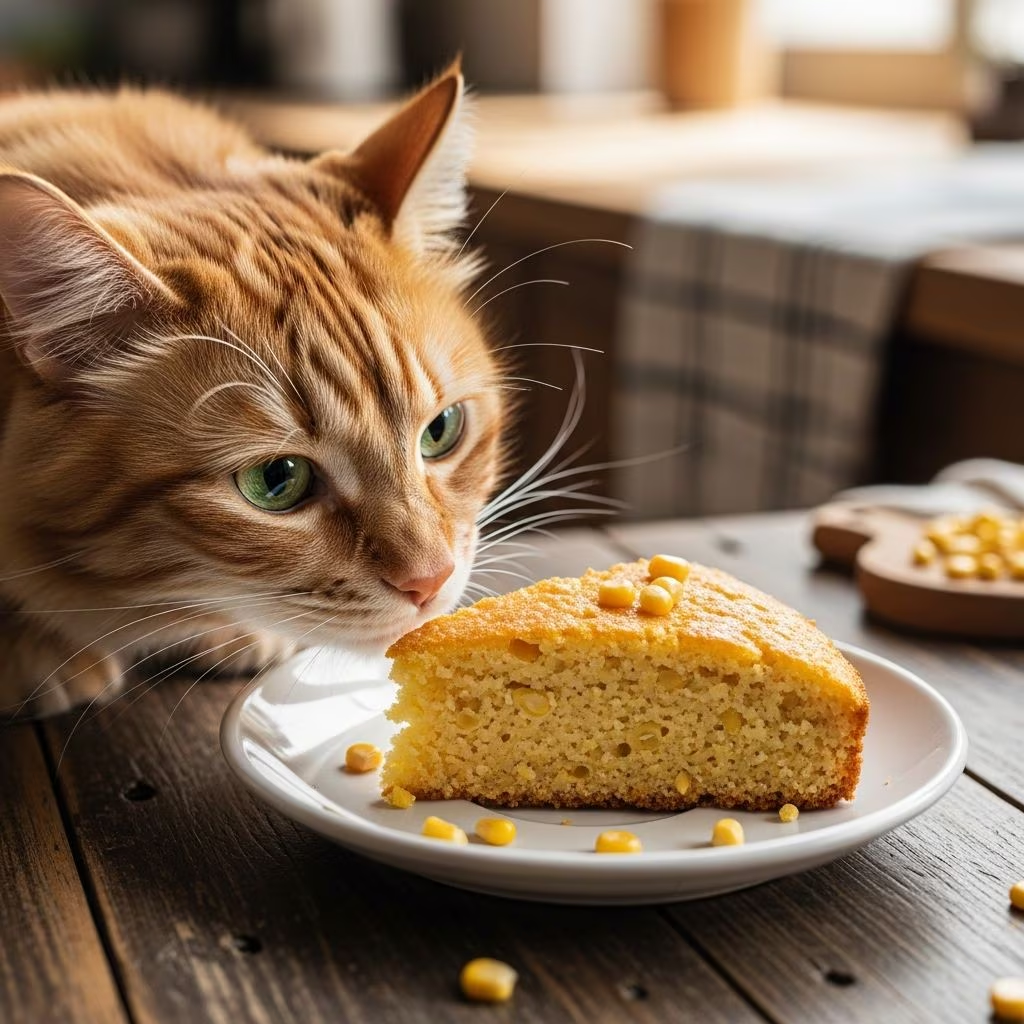
Can Cats Eat Cornbread? Health Facts & FAQ
The good news is cats can eat cornbread as it is not toxic; the bad news is that it isn’t really healthy for them. If your cat has nibbled on a small piece of cornbread from your kitchen, there’s no need to panic. However, understanding why cornbread shouldn’t be a regular part of your cat’s diet is important for maintaining their long-term health and wellbeing.
Is Cornbread Healthy for Cats?
You’ve likely noticed that corn and corn byproducts are fairly common ingredients in cat foods. Corn is a natural and whole food ingredient that provides essential fatty acids, protein, carbohydrates, and antioxidants. This might lead you to believe that cornbread would be a suitable treat for your feline companion.
That means a little bite of cornbread isn’t going to be toxic to your cat, so there are no worries there. However, it also isn’t healthy for them due to certain ingredients in cornbread. The primary issue is that while corn itself can be found in commercial cat foods in processed forms, cornbread contains multiple ingredients that create nutritional imbalances for cats.
Cats are obligate carnivores, meaning their bodies are designed to thrive on a meat-based diet rich in animal proteins and fats. Their digestive systems have evolved specifically to process animal proteins efficiently, and they have unique nutritional requirements that differ significantly from humans. Cornbread, being primarily composed of grains and carbohydrates, provides little to no nutritional value that your cat actually needs.
Can Eating Cornbread Harm Cats?
While cornbread isn’t toxic, consuming it can still pose several health concerns for your feline friend. Understanding these potential risks will help you make informed decisions about what treats to offer your cat.
Digestive Issues from Cornmeal
Cornmeal is, of course, one of the main ingredients for cornbread. And as stated above, it’s a common ingredient for cat foods. However, cats have a difficult time digesting corn itself, so if your cornbread has whole corn kernels, it could lead to an upset stomach or, worst-case scenario, an intestinal blockage. This is particularly concerning because cats lack certain enzymes that would help them break down and process corn effectively.
Even though processed corn in commercial cat foods is formulated to be digestible, the cornbread you make at home or purchase from a bakery isn’t designed with feline digestive systems in mind. If your cat consumes cornbread with whole corn pieces, the risk of gastrointestinal distress increases significantly.
Corn Allergies
There’s a slight chance your cat could be allergic to corn, though this is rare. Cats with corn allergies may experience symptoms such as itching, skin irritation, vomiting, or diarrhea. If you notice any of these signs after your cat has eaten cornbread, consult your veterinarian immediately.
Sugar and Salt Content
Sugar and salt are common ingredients in cornbread, too. While very limited amounts of these two ingredients should be okay for your cat, neither is healthy for them. While cats will typically avoid sugary items—as they can’t taste sweetness—if they do eat them, they may have difficulty digesting them.
Plus, too much sugar, in the long run, is bad for cats since it can lead to issues such as obesity and diabetes. Excess salt intake can also lead to kidney problems and hypertension in feline companions. Regular consumption of high-sugar, high-salt foods like cornbread accelerates the development of these serious health conditions.
Potential Toxic Ingredients
Some cornbread recipes may contain ingredients that are directly toxic to cats. Be especially careful if the cornbread contains:
- Garlic or garlic powder
- Onions or onion powder
- Raisins or grapes
- Chocolate (in chocolate cornbread variations)
- Xylitol (artificial sweetener)
These ingredients can cause serious health problems ranging from gastrointestinal distress to organ damage. Always check the ingredients list before offering any human food to your cat.
Understanding Your Cat’s Nutritional Needs
To better understand why cornbread isn’t suitable for cats, it’s helpful to know what cats actually need nutritionally. Cats require high levels of protein derived from animal sources to maintain muscle mass, support immune function, and sustain their energy levels. They also need specific amino acids like taurine, which is found almost exclusively in animal tissues.
Cornbread, being primarily a carbohydrate source with minimal protein content, fails to meet these essential nutritional requirements. Even if your cat eats cornbread, they won’t be getting the nutrients their body needs to function optimally. Instead, they’re consuming empty calories that can contribute to weight gain without providing any health benefits.
What About Portion Control?
If you do decide to give your cat a tiny piece of cornbread as an occasional treat, portion control is absolutely critical. A small nibble here and there of cornbread shouldn’t harm your cat; at least, no more than a possible upset stomach. However, consistency matters greatly. Occasional, microscopic pieces are far less concerning than regular portions.
A general rule of thumb is that treats should comprise no more than 10% of your cat’s daily caloric intake. For most cats, this means that treats should be minimal and nutritious. Cornbread fails the nutritious requirement entirely, so even the 10% rule shouldn’t encourage you to feed it regularly.
Healthier Treat Alternatives
Rather than offering cornbread, consider these safer, more nutritious treat options for your feline friend:
- Small pieces of cooked chicken or turkey (no seasoning)
- Plain, cooked salmon or tuna (in water)
- Commercial cat treats formulated for feline nutrition
- Small amounts of cooked eggs
- Cat-safe vegetables like steamed carrots or green beans
- Freeze-dried meat treats
These alternatives provide actual nutritional benefits while satisfying your cat’s natural hunting instincts and desire for variety.
What If My Cat Accidentally Eats Cornbread?
Don’t panic if your cat manages to sneak a piece of cornbread from your plate. A small amount of plain cornbread won’t cause serious harm to a healthy adult cat. However, monitor your cat for the following symptoms over the next 24-48 hours:
- Vomiting or retching
- Diarrhea or constipation
- Lethargy or decreased activity
- Loss of appetite
- Abdominal pain or bloating
- Excessive drooling
If your cat experiences any of these symptoms, contact your veterinarian. If your cat consumed cornbread containing toxic ingredients like garlic, onions, or chocolate, seek immediate veterinary attention regardless of whether symptoms have appeared.
Corn in Commercial Cat Foods vs. Homemade Cornbread
You may wonder why corn appears in many commercial cat foods if it’s problematic for cats. The key difference lies in processing and formulation. Commercial cat foods that include corn or corn byproducts are formulated by feline nutrition experts to ensure proper balance and digestibility. The corn is processed into forms that cats can digest more easily, and it’s balanced with appropriate levels of protein, fat, and other essential nutrients.
Homemade cornbread, on the other hand, isn’t designed with feline digestive needs in mind. The corn isn’t processed in a way that’s optimized for cats, and the additional ingredients like sugar, butter, and salt create nutritional imbalances that your cat doesn’t need.
Frequently Asked Questions (FAQs)
Q: Is plain cornbread safer for cats than cornbread with added ingredients?
A: Plain cornbread is marginally safer than cornbread with potentially toxic ingredients, but it’s still not recommended. Even plain cornbread contains excess carbohydrates, sugar, and salt that cats don’t need. Homemade plain cornbread would be slightly better than store-bought varieties, but it still shouldn’t be a regular part of your cat’s diet.
Q: Can kittens eat cornbread?
A: Kittens should absolutely not eat cornbread. Their developing digestive systems are even more sensitive than adult cats, and they need nutrient-dense food to support healthy growth. Cornbread offers zero nutritional value and could cause digestive upset in young cats. Always feed kittens high-quality kitten food formulated for their developmental stage.
Q: What should I do if my cat eats a large amount of cornbread?
A: If your cat consumes a significant quantity of cornbread, monitor them closely for signs of digestive distress. Watch for vomiting, diarrhea, constipation, or lethargy. If your cat shows any of these symptoms or if the cornbread contained toxic ingredients, contact your veterinarian immediately. Don’t wait to see if symptoms develop if there’s any concern.
Q: Is gluten-free cornbread better for cats?
A: Gluten-free cornbread may be slightly less problematic for cats with gluten sensitivities, but it’s still not a good choice. Gluten-free cornbread often contains other problematic ingredients like sugar, butter, and salt to maintain taste and texture. Additionally, many gluten-free products contain xylitol as a sweetener, which is highly toxic to cats. Stick to meat-based treats instead.
Q: Can cornbread cause obesity in cats?
A: Yes, regular consumption of high-caloric foods like cornbread can contribute to weight gain in cats over time. Cornbread is calorie-dense but nutritionally empty, making it particularly problematic for weight management. Obesity in cats leads to serious health issues including diabetes, joint problems, and heart disease. Prevention through proper diet is far better than managing obesity after it develops.
Q: Are there any benefits to giving my cat cornbread as a treat?
A: No, there are no real benefits to giving your cat cornbread. Unlike some human foods that can provide nutritional value to cats (like plain cooked chicken), cornbread provides only empty calories and potential health risks. If you want to bond with your cat over treats, choose options that actually contribute to their health and wellbeing.
Q: How can I tell if my cat has a corn allergy?
A: Signs of a corn allergy in cats include excessive itching, skin redness or irritation, hair loss, vomiting, diarrhea, and chronic ear infections. If you notice any of these symptoms after your cat has eaten corn products, consult your veterinarian for testing and diagnosis. Corn allergies are rare but serious when they do occur.
Conclusion
A tiny nibble here and there of cornbread shouldn’t harm your cat; at least, no more than a possible upset stomach. However, too much cornbread isn’t good for them at all, as it contains several ingredients your cat shouldn’t have regularly. Though corn byproducts are commonly used ingredients in cat foods, whole corn could pose digestive issues for your cat.
The bottom line is simple: while cornbread isn’t toxic, it offers no nutritional benefits to your feline companion and carries several potential health risks. There are far better treat options available that actually support your cat’s health and wellbeing. When in doubt about what human foods are safe for your cat, consult your veterinarian. Your cat’s long-term health is worth the extra consideration when deciding what treats to offer.
References
- Can Cats Eat Corn? — PetMD. 2024. https://www.petmd.com/cat/nutrition/can-cats-eat-corn
- Can Cats Eat Cornbread? Vet-Reviewed Nutritional Info & Safety — Hepper. 2024. https://articles.hepper.com/can-cats-eat-cornbread/
- Can Cats Eat Cornbread? Vet-Verified Facts — Huston Veterinary. 2024. https://hustonveterinary.com/can-cats-eat-cornbread/
- Can Cats Eat Bread? What You Need to Know — Petcube. 2024. https://petcube.com/blog/can-cats-eat-bread/
- Can Cats Eat Corn? — Great Pet Care. 2024. https://www.greatpetcare.com/cat-nutrition/can-cats-eat-corn/



