

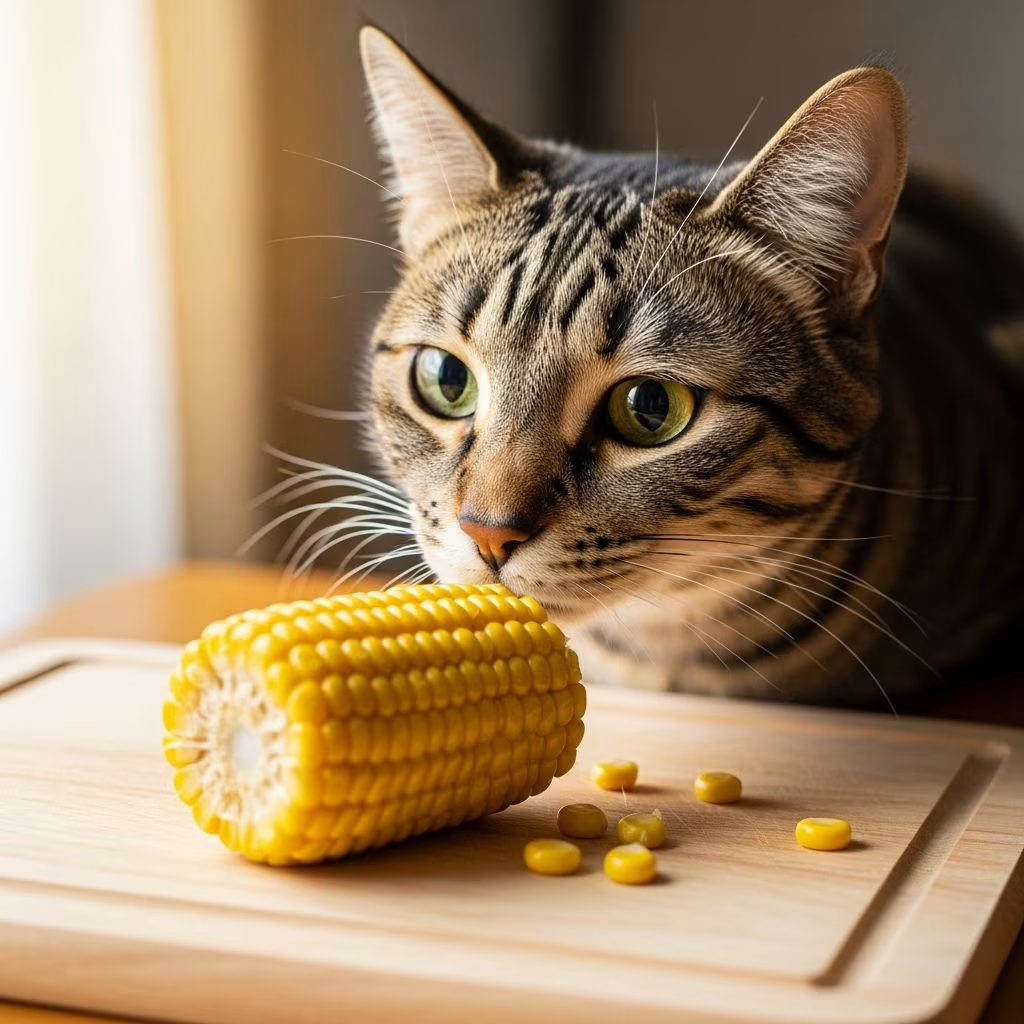
Cats are obligate carnivores, meaning their diet should primarily consist of meat-based proteins. However, many cat owners wonder if it’s safe to share human foods like corn with their pets. Corn itself is not toxic to cats and can be offered in small amounts as an occasional treat. That said, it provides limited nutritional value for felines and should never replace a balanced cat food diet formulated to meet their specific needs.
Nutrition Facts: Corn for Cats
Corn is a staple in many commercial dry cat foods due to its high carbohydrate and fiber content. For cats, these components serve specific purposes: fiber helps improve stool consistency, supports bowel health, and aids in glycemic control, while carbohydrates provide a source of energy. Beyond that, corn contains several vitamins and minerals that can offer minor benefits in small doses:
- Vitamin C: Supports immune function, though cats produce it naturally.
- Vitamin B6: Aids in protein metabolism and red blood cell formation.
- Lutein: An antioxidant that promotes eye health.
- Iron, Manganese, Phosphorus, Zinc, and Magnesium: Trace minerals contributing to overall cellular function and bone health.
Despite these nutrients, cats derive optimal nutrition from animal sources. Plant-based foods like corn are largely indigestible for them, as their digestive systems are adapted for meat. Corn’s carbohydrates are not efficiently utilized by cats, making it more of a filler than a vital nutrient source.
Is Corn Good for Cats?
While corn isn’t harmful in moderation, it’s not particularly ‘good’ for cats as a regular dietary component. Potential upsides include:
- Digestive support: The fiber in corn can promote regular bowel movements, reduce constipation risk, and support gut bacteria balance.
- Skin and coat health: Essential fatty acids and antioxidants like beta-carotene, vitamin E, and lutein may benefit skin and fur.
- Texture variety: Cooked kernels provide a crunchy texture that some cats enjoy as a novelty.
- Energy source: Carbohydrates offer quick calories, useful in small amounts for active cats.
However, these benefits are minimal compared to a meat-rich diet. Veterinary nutritionists emphasize that corn should only supplement, not dominate, a cat’s intake.
Is Corn Safe for Cats?
Plain corn—whether fresh, frozen, canned, or cooked—is safe for most healthy cats when given sparingly. Avoid moldy or discolored corn, as it may contain aflatoxins, fungal toxins that can damage the liver. Key safety guidelines include:
- Stick to plain, cooked kernels: No salt, butter, seasonings, onions, garlic, or other additives, which are toxic or irritating.
- Never offer corn on the cob, husks, or raw corn: These pose choking hazards and can cause intestinal blockages.
- Limit to healthy adult cats: Avoid for kittens, diabetics (due to high carbs), or those with grain sensitivities.
Corn in commercial cat foods is processed for better digestibility, but scrutinize ingredient lists—it’s often used as an inexpensive filler.
Potential Risks of Feeding Corn to Cats
Though non-toxic, corn carries risks, especially in excess:
- Digestive upset: Hard-to-digest carbs can cause vomiting, diarrhea, or constipation.
- Empty calories: Fills cats up without substantial nutrition, potentially leading to nutrient deficiencies or obesity.
- Allergies: Rare, but symptoms include itchy skin, ear infections, vomiting, or diarrhea. Common allergens are proteins like beef or fish, but monitor for corn reactions.
- Choking or blockages: Cobs, husks, or whole kernels endanger swallowing.
- Contaminants: Pesticides, GMOs, or additives in processed corn products.
Cats with pancreatitis, diabetes, or gastrointestinal issues should avoid it entirely.
How Much Corn Can Cats Eat?
Treats, including corn, should comprise no more than 10% of a cat’s daily calories—about 1 teaspoon of plain cooked kernels per week for an average adult cat. Overfeeding leads to satiety without nutrition, causing meal skipping or stomach upset. Start small and observe reactions.
| Food Type | Safe? | Notes |
|---|---|---|
| Plain cooked sweetcorn kernels | Yes | Small portions only, unseasoned |
| Air-popped plain popcorn | Occasionally | No butter/salt; small amounts |
| Corn on the cob | No | Choking hazard and indigestible |
| Cornmeal products (e.g., cornbread) | No | Often contains harmful additives |
| Corn in commercial cat food | With caution | Check quality; prefer meat-first formulas |
This table summarizes safe corn options based on veterinary advice.
Can Kittens Eat Corn?
Kittens require high-protein diets for growth until at least one year old. Corn’s low protein and high carbs make it unsuitable as more than a rare treat. Stick to kitten-specific formulas with balanced proteins, fats, and vitamins. Introducing corn too early risks digestive issues or nutritional gaps.
Corn in Commercial Cat Food
Many dry kibbles list corn (e.g., cornmeal, corn gluten) high in ingredients for bulk and binding. While processed forms are more digestible, they don’t replace animal proteins. Opt for foods where meat is the first ingredient and corn is minimal or absent for optimal feline health.
Safe Ways to Prepare Corn for Cats
To minimize risks:
- Boil or steam fresh/frozen corn until tender; remove from cob.
- Rinse canned corn to remove salt.
- Chop kernels small to prevent choking.
- Serve plain and fresh; discard leftovers promptly.
- Monitor for 24-48 hours post-feeding.
Avoid creamed corn (contains dairy/sugars), tortilla chips, or flavored varieties.
Frequently Asked Questions
Is corn toxic to cats?
No, plain corn is not toxic, but avoid cobs, husks, and seasoned preparations.
Does corn cause allergies in cats?
Possible but uncommon; watch for itching, GI upset, or ear issues.
Can diabetic cats eat corn?
No, due to high carbohydrate content that spikes blood sugar.
Is popcorn safe for cats?
Plain, air-popped in tiny amounts yes; avoid flavored or microwaved.
Why is corn in cat food if it’s not ideal?
It’s cheap, adds texture, and provides energy/fiber, but prioritize protein-rich foods.
This comprehensive guide ensures cat owners make informed choices. Always consult a vet for personalized advice, especially for cats with health conditions.
References
- Can Cats Eat Corn? Benefits, Risks, and Feeding Tips — PetMD. 2023-05-15. https://www.petmd.com/cat/nutrition/can-cats-eat-corn
- Can Cats Eat Corn? Human Food for Cats — Kinship. 2024-02-20. https://www.kinship.com/cat-nutrition/can-cats-eat-corn
- Can Cats Eat Corn? Benefits, Risks & Safe Feeding Tips — WOpet. 2024-08-10. https://wopet.com/cats/can-cats-eat-corn/
- Can cats eat sweetcorn and how often? Find out now! — Untamed. 2023-11-05. https://untamed.com/blogs/nutrition/can-cats-eat-sweetcorn
- Can Cats Eat Corn? — WagWalking. 2024-01-12. https://wagwalking.com/wellness/can-cats-eat-corn
- Can Cats Eat Corn? Vet-Approved Guide — Noble Vet Clinic. 2024-06-18. https://noblevetclinic.com/blog/can-cats-eat-corn



