

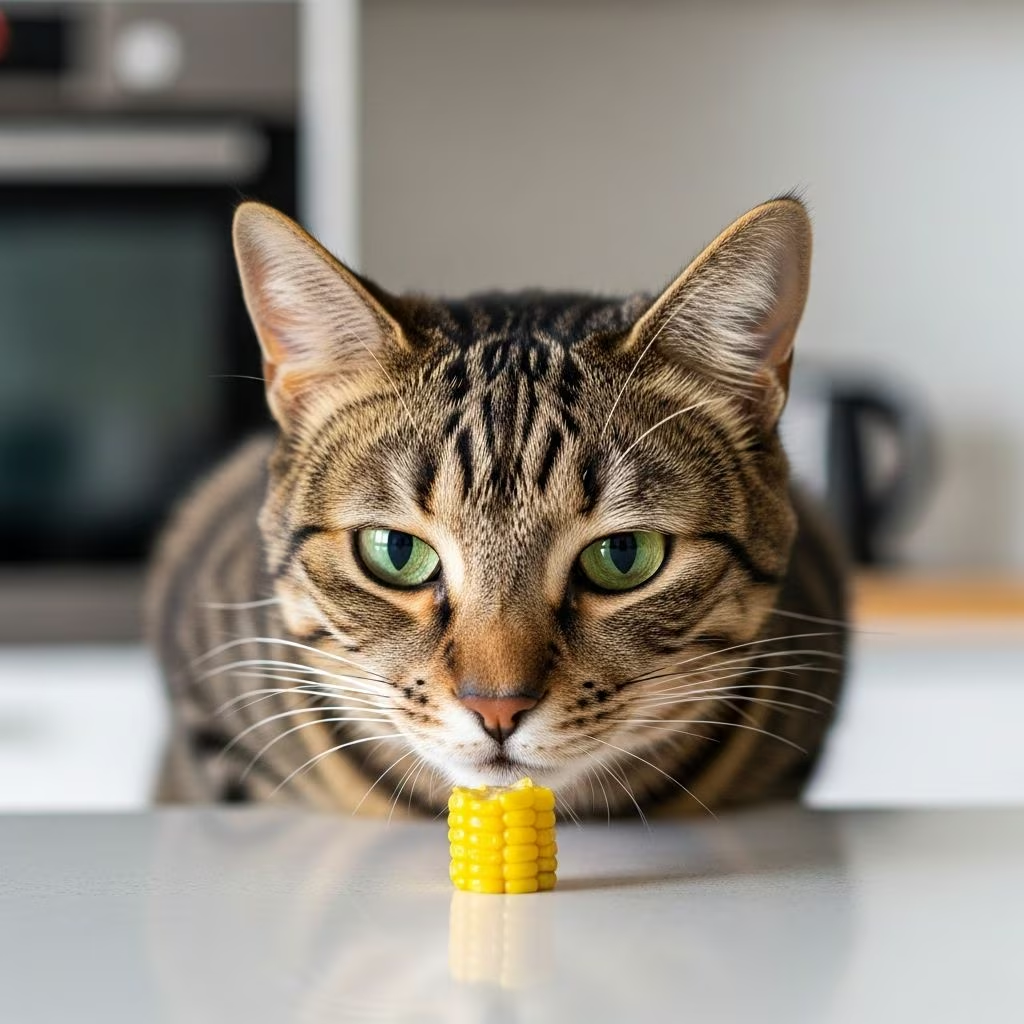
Cats are obligate carnivores, meaning their diet should primarily consist of meat-based proteins. Corn, a popular human food, is not toxic to cats and can be given in small amounts as an occasional treat. However, it offers minimal nutritional benefits and may cause digestive issues if overfed.
The Short Answer
**Yes, cats can eat small amounts of plain, cooked corn safely.** Avoid raw corn, corn on the cob, seasoned varieties, or processed corn products, as these pose choking hazards or health risks. Corn should never replace a balanced cat food diet, comprising no more than 10% of daily calories from treats.
Is Corn Safe for Cats?
Corn itself is non-toxic and won’t harm cats when offered plainly. Many commercial cat foods include corn as a filler due to its affordability and fiber content, but this processed form is more digestible than whole kernels for felines. Fresh, frozen, or canned corn (rinsed and unseasoned) is the safest option. Steer clear of creamed corn, which often contains dairy, sugar, or thickeners that can upset a cat’s stomach.
- Plain cooked kernels: Safe in moderation.
- Corn on the cob or husks: Choking hazard and indigestible.
- Popcorn: Plain air-popped occasionally, but kernels can cause blockages.
- Tortilla chips or cornbread: High in salt, fat, and spices—avoid entirely.
Nutritional Value of Corn for Cats
As obligate carnivores, cats derive most nutrients from animal sources. Corn provides carbohydrates, which cats digest poorly, lacking the enzymes to break down plant-based starches efficiently. Key nutrients in corn include:
- Fiber: Aids digestion and promotes regular bowel movements, potentially reducing hairballs.
- Antioxidants: Beta-carotene, vitamin E, and lutein support skin, coat, and eye health in trace amounts.
- Fatty acids and protein: Minimal; lacks essential amino acids like taurine that cats need from meat.
- Low calories: Useful as a low-fat treat alternative, but essentially empty calories for cats.
While corn adds texture variety some cats enjoy, it doesn’t fulfill core dietary needs. Over-reliance on corn can lead to nutrient deficiencies.
Benefits of Feeding Corn to Cats
In small quantities, corn can offer minor perks without replacing meat-based nutrition:
- Digestive support: Soluble fiber helps regulate gut health, prevents constipation, and supports beneficial bacteria.
- Skin and coat health: Essential fatty acids contribute to glossy fur and healthy skin.
- Texture appeal: Crunchy kernels provide mental stimulation and a novel treat experience.
- Low-fat option: Suitable for weight management compared to fatty meats.
These benefits are subtle; cat-specific foods provide superior sources of the same nutrients.
Disadvantages and Risks of Corn for Cats
Despite safety, corn isn’t ideal for feline diets. Potential downsides include:
- Digestive upset: Hard-to-digest carbs may cause vomiting, diarrhea, or gas.
- Allergies: Rare, but some cats develop sensitivities leading to itching or ear infections.
- Empty calories: Fills the stomach without nutrition, potentially causing obesity or meal skipping.
- Sugar spikes: Sucrose content can affect blood sugar, risking long-term issues like diabetes.
- Toxic additives: Butter, salt, garlic, or onions in corn dishes are harmful.
| Corn Type | Safe? | Notes |
|---|---|---|
| Sweet corn (plain, cooked) | Yes | Small portions only; remove from cob. |
| Popcorn (plain) | Occasional | No butter/salt; choking risk. |
| Corn on the cob | No | Choking and obstruction hazard. |
| Cornmeal foods | No | Often contains harmful ingredients. |
| Corn in cat food | With care | Choose high-quality brands; avoid as main ingredient. |
Corn in Commercial Cat Food
Corn appears in many dry kibbles as an inexpensive filler for texture and binding. While not harmful in balanced formulas, it provides little protein value compared to meat. Cats with grain sensitivities or allergies may fare better on grain-free diets. Always check labels: premium foods minimize fillers. Veterinary nutritionists recommend meat-first ingredients for optimal health.
How to Safely Feed Corn to Your Cat
Follow these guidelines to minimize risks:
- Choose plain varieties: Boiled or grilled kernels from fresh, frozen, or low-sodium canned corn.
- Portion control: Limit to 1 teaspoon weekly; treats ≤10% daily calories.
- Introduce gradually: Start with a few kernels; monitor for 24-48 hours.
- Remove hazards: Cut kernels off cob; avoid hulls.
- Consult vet: Especially for kittens, seniors, or cats with health issues.
Fresh corn loses some sugars when cooked, making it gentler on digestion.
How Much Corn Can Cats Eat?
Treats like corn should not exceed 10% of caloric intake to avoid displacing essential nutrients. For a 10-lb cat (250 calories/day), that’s ~25 calories from treats max—about 1-2 teaspoons corn weekly. Overfeeding leads to imbalance; adjust based on weight and activity.
What Happens If Cats Eat Too Much Corn?
Excess corn may cause immediate issues like diarrhea or bloating from indigestible fiber. Long-term, it contributes to weight gain, diabetes risk from carbs, or allergies. If symptoms persist, seek veterinary care.
Alternatives to Corn for Cats
Opt for cat-appropriate treats:
- Meat-based: Cooked chicken, turkey, or fish (plain).
- Veggies: Steamed pumpkin or green beans for fiber.
- Commercial treats: Grain-free, low-carb options.
- Hydration aids: Tuna water or broth (low-sodium).
These provide better nutrition aligned with feline needs.
Frequently Asked Questions (FAQs)
Can cats eat corn on the cob?
No, corn on the cob is a choking hazard and can cause intestinal blockages.
Is popcorn safe for cats?
Plain, air-popped popcorn is okay occasionally in tiny amounts, but unpopped kernels are dangerous.
Does corn cause allergies in cats?
Rarely; proteins like beef or fish are more common allergens, but monitor for signs.
Why is corn in cat food?
Used as a cheap filler for texture; choose meat-heavy formulas.
Can kittens eat corn?
Avoid until fully weaned; stick to kitten formula.
Final Thoughts
While cats can safely nibble plain cooked corn sparingly, it’s not a valuable dietary addition. Prioritize high-quality, meat-based cat food for optimal health. Always observe your cat’s response and consult a vet for personalized advice.
References
- Can Cats Eat Corn? Benefits, Risks, and Feeding Tips — PetMD. 2023-05-15. https://www.petmd.com/cat/nutrition/can-cats-eat-corn
- Can Cats Eat Corn? Benefits, Risks & Safe Feeding Tips — WOpet. 2024-02-20. https://wopet.com/cats/can-cats-eat-corn/
- Can Cats Eat Corn? Here’s Everything You Need to Know — Pawlicy Advisor. 2023-11-10. https://www.pawlicy.com/blog/can-cats-eat-corn/
- Can Cats Eat Corn? Vet-Approved Guide for Curious Cat Parents — Noble Vet Clinic. 2024-01-05. https://noblevetclinic.com/blog/can-cats-eat-corn
- Can Cats Eat Corn? — WagWalking. 2023-08-22. https://wagwalking.com/wellness/can-cats-eat-corn



