

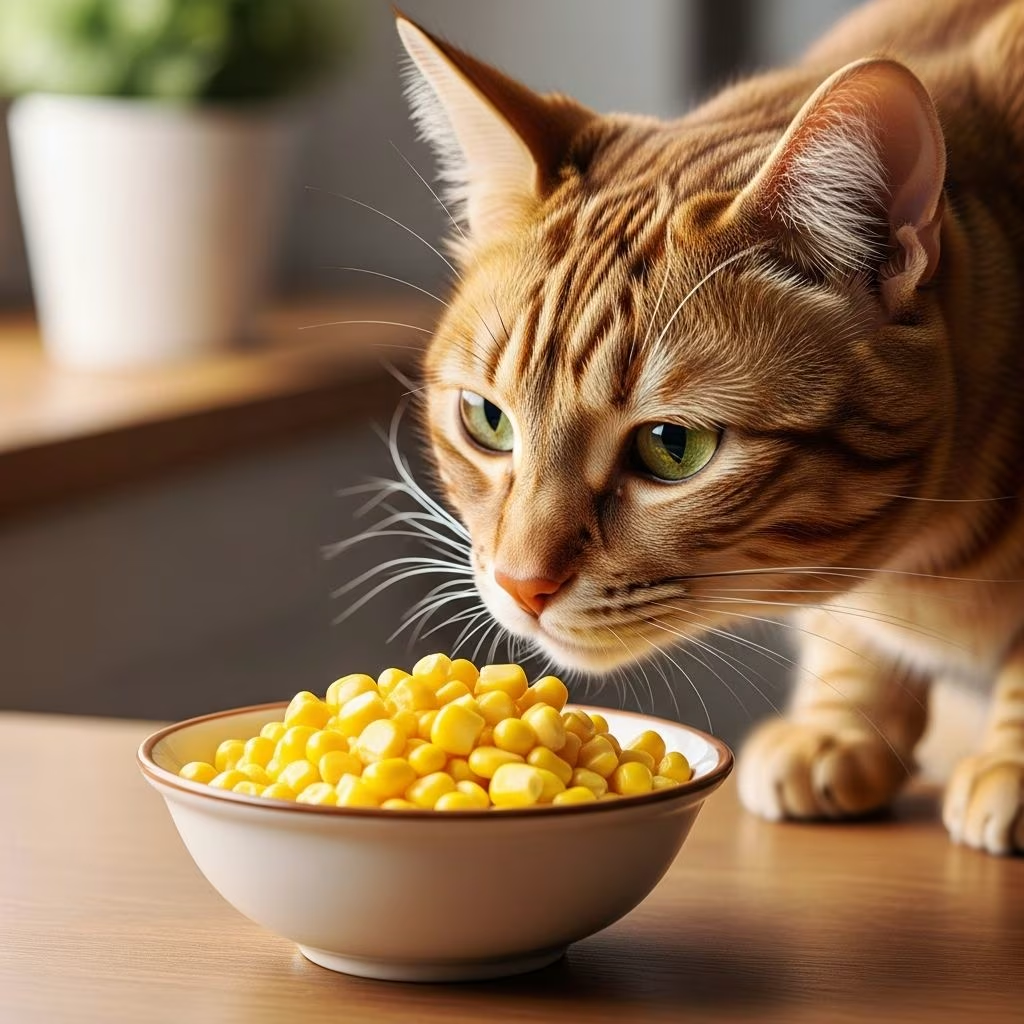
Can Cats Eat Corn? Human Food for Cats
Corn is not toxic to cats, and you can share a few plain kernels with your kitty as a treat without worry. However, understanding how to properly serve corn and recognizing its role in your cat’s diet is essential for maintaining your feline’s health and wellbeing. While many commercial cat foods contain corn as an ingredient, there are important considerations pet owners should understand before adding corn to their cat’s regular diet.
Nutrition Facts: Corn for Cats
Many cat foods, especially dry formulas, have corn as one of their primary ingredients. Understanding the nutritional composition of corn can help you make informed decisions about whether this ingredient is appropriate for your cat.
Corn is high in both fiber and carbohydrates. Fiber improves stool consistency, reducing the risk of constipation, and supports overall bowel health while promoting glycemic control. Carbohydrates serve as a source of calories, providing easily available energy for the body. However, cats are obligate carnivores, meaning their bodies are designed primarily to digest and utilize nutrients from meat sources rather than plant-based foods.
In addition to fiber and carbohydrates, corn also contains a good amount of some vitamins and minerals, including:
- Vitamin C
- Vitamin B6
- Lutein
- Iron
- Manganese
- Phosphorous
- Zinc
- Magnesium
Despite containing these nutrients, it’s important to note that cats cannot efficiently absorb and utilize many of the nutrients found in corn. Their digestive systems are optimized for processing animal proteins and fats, not plant-based carbohydrates. This fundamental difference in feline metabolism means that while corn contains certain nutrients, cats cannot derive the same benefits from them as omnivores or herbivores can.
Is Corn Good for Cats?
With all these nutrients present in corn, it may be tempting to add corn to your cat’s diet to reap potential benefits. Despite its nutritional value, corn should only be an occasional treat. A nutritionally balanced cat food should be their primary diet because these diets are formulated to provide all the vitamins, minerals, and amino acids cats need to thrive.
There are a few potential advantages to offering small amounts of plain corn to your cat:
- Supports digestive health: The fiber content in corn can help regulate bowel movements and maintain healthy digestion in some cats.
- Provides some nutrients: Corn contains certain vitamins and minerals that may have minor health benefits when consumed in tiny amounts.
- Adds variety: Some cats may enjoy the texture and variety that a small piece of cooked corn provides as an occasional treat.
However, these potential benefits are minimal and should never be viewed as a reason to make corn a regular part of your cat’s diet. Commercial cat foods that are formulated by veterinary nutritionists are far better suited to meeting your cat’s nutritional needs than supplementing their diet with human foods like corn.
Is Corn Completely Safe for Cats?
Whether fresh, cooked, canned, or frozen, the corn you eat is generally a safe snack for cats when prepared properly. However, there are important safety considerations to keep in mind when offering corn to your feline companion.
It should be obvious, but don’t feed corn that you wouldn’t eat to your cat. Corn that is moldy or discolored can contain aflatoxins, which are fungal toxins that can cause severe liver injury and other serious health problems. Always inspect corn carefully before offering it to your pet.
Corn cobs and corn husks should be kept away from cats because they are not digestible and can cause severe gastrointestinal problems like obstruction. These parts of the corn plant pose particular danger and should never be given to cats under any circumstances.
Even though corn isn’t toxic to cats, it should only be offered as a little snack to healthy cats. Cats with diabetes shouldn’t be given corn due to its high carbohydrate content. The carbohydrates in corn can cause blood sugar spikes, which is particularly problematic for diabetic felines who need careful management of their glucose levels.
How to Safely Feed Corn to Your Cat
If you decide to share corn with your feline friend, following proper preparation methods is crucial for their safety and digestive comfort.
Plain preparation is essential. Avoid offering corn cooked with a lot of butter or seasoning. Take special caution not to feed corn cooked with onion or garlic (even in powdered form) because those ingredients can cause serious problems for cats, including damage to their red blood cells.
The safest options for serving corn to your cat include:
- Boiled plain corn kernels
- Grilled corn removed from the cob
- Fresh corn kernels without any seasoning
- Frozen corn that has been thawed and cooked
- Canned corn without added salt or preservatives
Portion sizes matter significantly. When offering corn to your cat, stick to very small amounts. A single kernel or a few kernels at a time is appropriate. Since treats should make up no more than 10% of your cat’s daily caloric intake, corn should be an occasional offering, perhaps once weekly at most, and in minimal quantities.
What Corn Products to Avoid
Certain corn products and preparations pose specific risks to feline health and should be avoided entirely:
| Corn Product | Safety Status | Reason to Avoid |
|---|---|---|
| Corn on the cob | Not Safe | Choking hazard and can cause intestinal obstruction |
| Corn husks | Not Safe | Not digestible; can cause gastrointestinal blockage |
| Creamed corn | Not Safe | Contains milk, sugar, and thickeners that upset cat stomachs |
| Seasoned corn | Not Safe | Salt, butter, and spices can harm cats |
| Popcorn | Not Safe | Often contains butter, salt, and can cause choking |
| Cornbread | Not Safe | Contains additional ingredients like dairy and sugar |
| Tortilla chips | Not Safe | Highly processed with salt and other additives |
| Processed corn products | Not Safe | Difficult to digest and contain harmful additives |
Each of these products carries specific risks that make them inappropriate for feline consumption. Even products that might seem harmless can cause digestive upset, pancreatitis, or other serious health complications.
Potential Risks and Concerns
While plain corn is safe for most adult cats in very small amounts, there are several risks and concerns that pet owners should be aware of before offering corn to their feline companions.
Allergic reactions: Some cats are allergic to grains, including corn. While beef, fish, and chicken are more common allergic triggers in cats, corn can still cause sensitivities in some individuals. Watch for signs including itchy skin, ear infections, vomiting, or diarrhea. If your cat shows any of these symptoms after eating corn, stop immediately and consult your veterinarian.
Digestive upset: Some cats struggle to digest corn, which can lead to vomiting, diarrhea, or constipation. The plant-based carbohydrates in corn are not easily processed by feline digestive systems, which evolved to break down and utilize animal proteins.
Empty calories: Because corn has little to no nutritional value for cats, it essentially provides empty calories that don’t support their health. Filling your cat’s stomach with corn leaves less room for nutritionally appropriate foods.
Other dangerous ingredients: Dishes that include corn may contain garlic, onions, and other toxic foods for cats. Never feed your cat any human food preparation containing these ingredients.
Importance for kittens: Even though corn isn’t dangerous for adult cats to consume in moderation, it doesn’t deliver the substantial nutrients required for kittens to grow strong and healthy. Kittens need high-quality kitten formulas specifically formulated with the right balance of proteins, fats, and vitamins that are necessary for their growth and development. Kitten food should remain their main nutritional source until they are at least one year old.
Corn in Commercial Cat Foods
Corn appears frequently in commercial cat foods, particularly in dry kibble formulas. This is largely because corn is an inexpensive filler ingredient that adds bulk to the food. While commercial cat foods that include corn are balanced and formulated by nutritionists, they represent a different situation than offering corn directly to your cat as a treat.
The corn in these formulations is processed and combined with other ingredients in precise proportions designed to meet feline nutritional requirements. When considering your cat’s diet, focus on high-quality, meat-based commercial cat foods that prioritize animal proteins and fats as their primary ingredients, even if corn is included as a minor component.
Special Considerations for Your Cat’s Health
Certain health conditions and life stages require special attention when considering whether to offer corn to your cat.
Diabetic cats: If your cat has been diagnosed with diabetes, avoid offering corn entirely. The high carbohydrate content can destabilize blood sugar levels and complicate diabetes management. Work with your veterinarian to determine the most appropriate diet for your diabetic cat.
Cats with food sensitivities: If your cat has a history of food allergies or digestive sensitivities, consult your veterinarian before introducing corn. Some cats may be more prone to developing sensitivities to grains.
Senior cats: Older cats may have more delicate digestive systems. If your senior cat has never eaten corn, there’s no nutritional benefit to introducing it at this stage of life. Stick to their established, balanced diet.
What Cats Actually Need
Rather than focusing on supplementing your cat’s diet with human foods like corn, prioritize meeting their nutritional needs through appropriate feline nutrition. Cats are obligate carnivores, and the most nutritious foods for them will be mostly, if not entirely, animal meat. Their bodies aren’t built to digest many plants, including corn.
A high-quality cat food should contain:
- High-quality animal proteins as the primary ingredient
- Essential amino acids, particularly taurine
- Healthy fats for skin and coat health
- Minimal carbohydrates
- Balanced vitamins and minerals
These nutritional components are far more important for your cat’s health than the nutrients found in corn. If you want to provide variety or occasional treats, consider meat-based options that align better with your cat’s carnivorous nature.
Frequently Asked Questions
Q: Can kittens eat corn?
A: While corn isn’t toxic to kittens, it’s not recommended. Kittens require specialized nutrition from kitten formula to support their growth and development. The low protein content of corn makes it inappropriate during this critical growth phase. Wait until your kitten reaches adulthood before considering any human food treats, and even then, corn should only be offered very occasionally in minimal amounts.
Q: How much corn can I give my cat?
A: If you choose to offer corn, stick to very small amounts—typically just one or two kernels at a time, once weekly at most. Since treats should make up no more than 10% of your cat’s daily caloric intake, corn should be considered an extremely occasional offering. Many cats will do perfectly fine without ever consuming corn.
Q: Is canned corn safe for cats?
A: Yes, canned corn without added salt or preservatives can be safe for cats in very small amounts. However, always check the label to ensure there are no added seasonings, sodium, or other ingredients. Fresh, frozen, or boiled corn is typically a better option than canned varieties.
Q: What should I do if my cat eats corn accidentally?
A: If your cat accidentally consumes a small amount of plain corn, there’s generally no cause for concern. Monitor your cat for any signs of digestive upset like vomiting or diarrhea. However, if your cat ingests corn on the cob, corn husks, or large quantities of corn, contact your veterinarian promptly as these situations pose more serious risks.
Q: Are there better treat options for my cat?
A: Yes, absolutely. Rather than corn, consider offering your cat meat-based treats that align with their carnivorous nature. Small pieces of cooked chicken, turkey, or commercial cat treats made from animal proteins are far more nutritionally appropriate and likely to be appreciated by your feline companion.
Q: Can cats eat sweetcorn?
A: Sweetcorn is not toxic to cats and can be offered in the same way as regular corn—plain, cooked, and in minimal amounts. However, the sweet taste may be more appealing to some cats, so portion control becomes even more important. Never allow your cat to consume sweetcorn with added sugar, butter, or seasonings.
Q: What are signs my cat might be allergic to corn?
A: Watch for itching, ear infections, vomiting, or diarrhea after your cat consumes corn. If you notice any of these symptoms, discontinue corn immediately and consult your veterinarian. A vet can help determine if your cat has a corn allergy or if the reaction is due to another cause.
References
- Can Cats Eat Corn? — PetMD. 2025. https://www.petmd.com/cat/nutrition/can-cats-eat-corn
- Can Cats Eat Corn? Human Food for Cats — Kinship. 2025. https://www.kinship.com/cat-nutrition/can-cats-eat-corn
- Can Cats Eat Corn? Benefits, Risks & Safe Feeding Tips — WOpet. 2025. https://wopet.com/cats/can-cats-eat-corn/
- Can cats eat sweetcorn and how often? — Untamed. 2025. https://untamed.com/blogs/nutrition/can-cats-eat-sweetcorn
- Can Cats Eat Corn? — Wag! Walking. 2025. https://wagwalking.com/wellness/can-cats-eat-corn



