

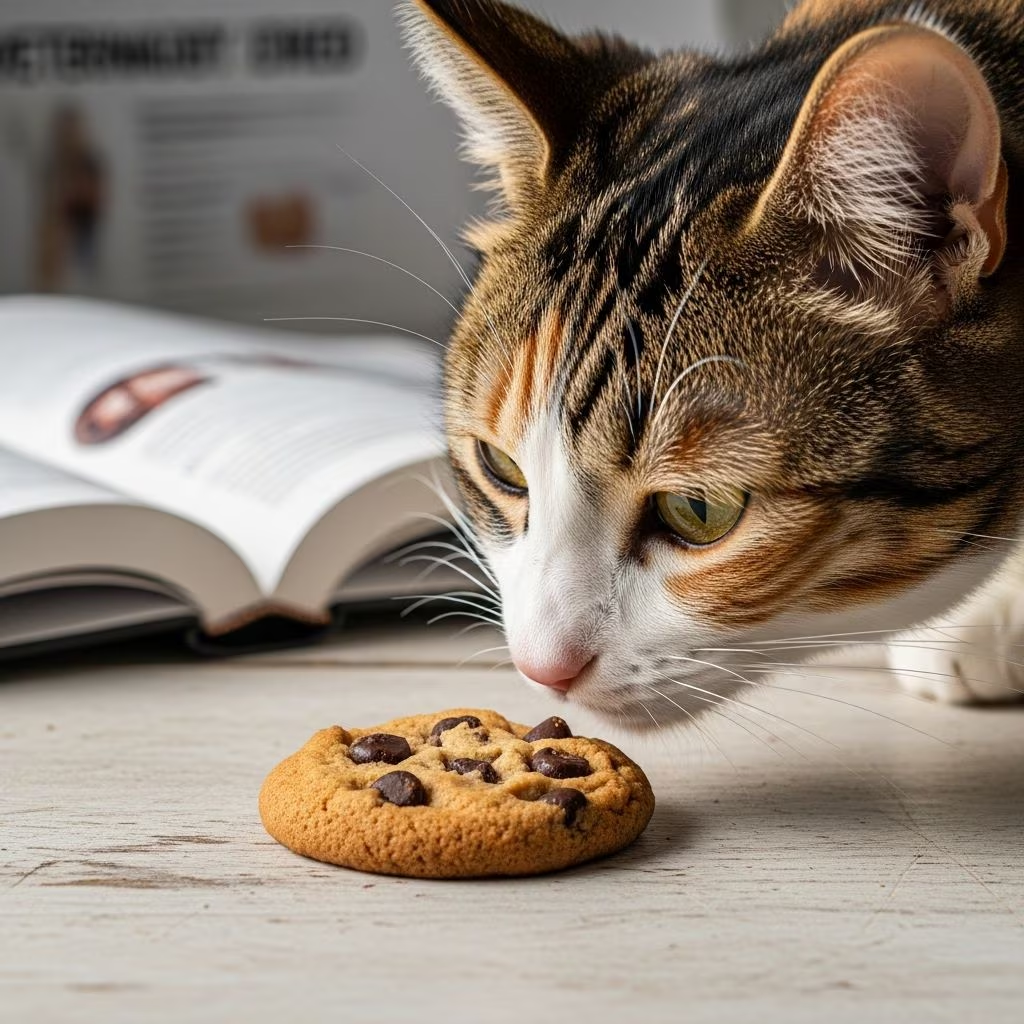
Can Cats Eat Cookies? Vet-Reviewed Facts & FAQ
While a nibble of your cookie is unlikely to kill your cat, cookies are far from healthy for cats and absolutely should not be fed to your cat regularly. Human sweets are incredibly unhealthy and sometimes very dangerous for cats. So, keep cookies out of reach of your cat to the best of your abilities!
The Short Answer: No, Cats Should Not Eat Cookies
Cats should not eat cookies. While a single plain, unsweetened cookie crumb likely won’t cause immediate harm, most cookies contain ingredients that are either unhealthy or outright dangerous for feline consumption. Cats are obligate carnivores, meaning their bodies are designed to thrive exclusively on a meat-based diet. Cookies, on the other hand, are typically high in sugar, fat, and carbohydrates—nutrients that cats neither need nor can efficiently process.
Even if your cat seems interested in your sweet treat, it’s best to resist the temptation to share. Cats’ digestive systems are not equipped to handle many of the ingredients commonly found in cookies, and feeding them these sugary snacks can lead to serious health issues over time.
Why Cookies Are Problematic for Cats
Cookies present multiple nutritional and safety concerns for feline health. You cannot safely feed your cat cookies intended for human consumption, as these cookies contain virtually no nutritional value for cats and often include components that are toxic to them.
Sugar Content
While not toxic in small amounts, sugar poses significant health risks to cats. Cookies are loaded with sugar and are treats that offer zero nutritional value to cats. Over time, eating too much sugar can result in feline diabetes and can contribute to weight gain, eventually leading to obesity. Additionally, the sugar in cookies can erode dental enamel, resulting in tooth decay and dental disease, which are common issues when cats consume sugary foods.
Butter and Fats
High-fat ingredients commonly found in cookies can upset your cat’s stomach and may contribute to pancreatitis, a painful and potentially dangerous condition. Cookies are typically high in butter, which is high in fat and lactose. Most cats are lactose intolerant, meaning they can’t properly process the lactose found in butter. This results in digestive upset, vomiting, and gas. Additionally, too much fat can lead to excessive weight gain, which results in a variety of health issues, including obesity.
Toxic Ingredients Commonly Found in Cookies
Several ingredients found in popular cookies pose serious or even life-threatening risks to cats:
Chocolate
Chocolate is one of the most dangerous foods for cats and is a common ingredient in cookies. It contains compounds such as theobromine and caffeine, both of which are toxic to cats. Even small amounts can potentially cause vomiting, diarrhea, and hyperactivity. In severe cases, ingestion of chocolate can also lead to tremors, seizures, and even death in cats. Dark and baking chocolate are especially dangerous for cats due to the higher content of theobromine.
Xylitol (Sugar Substitutes)
This sugar substitute is found in many “sugar-free” or diet cookies and is toxic to pets. Xylitol causes a sudden release of insulin, which results in extremely low levels of blood sugar. In cats, it can lead to vomiting, diarrhea, incoordination, and seizures. In severe cases and large doses, xylitol can cause liver failure, seizures, and coma. Even cookies marketed as “healthy” or “sugar-free” can contain these hidden dangers for cats.
Nuts
Many cookies contain walnuts, macadamia nuts, or pecans. These can be difficult for cats to digest and may pose a choking hazard in some cases. If eaten whole, nuts can get stuck and cause obstructions within the gastrointestinal tract. They also contain too much fat, which is not suitable for feline nutrition. Some varieties, such as macadamia nuts, are toxic for cats and can lead to lethargy, tremors, or gastrointestinal issues.
Raisins
Raisins and other dried fruits found in some cookies are toxic to cats and can cause serious health complications including kidney damage and failure.
What Happens If a Cat Eats a Cookie?
If your cat manages to sneak a bite of a cookie, the outcome depends on the type of cookie and the amount consumed. Here’s what to watch for:
- Minor upset stomach: A plain cookie crumb might cause mild digestive upset, such as vomiting or diarrhea.
- Serious toxicity: If the cookie contains chocolate, raisins, xylitol, or macadamia nuts, your cat could experience symptoms like lethargy, tremors, or even organ failure.
- Long-term health effects: Regularly feeding your cat cookies can lead to weight gain, dental issues, and other chronic health problems.
If your curious kitty manages to grab a crumb or two when you aren’t looking, while it might not result in immediate harm, it is crucial to watch for signs of an upset stomach, such as vomiting or diarrhea. If your cat has managed to sneak a sizable portion or if the cookie contained toxic ingredients, call your veterinarian immediately for advice.
Toxic Ingredients Requiring Immediate Veterinary Care
If any of these ingredients are present in the cookie your cat consumed, contact your veterinarian or bring your cat to the clinic immediately:
- Chocolate
- Raisins
- Xylitol
- Macadamia nuts
Toxins work fast, which means immediate veterinary care will be needed if your cat ingests any of these dangerous ingredients.
Monitor Your Cat Closely
If the cookie did not contain any toxic ingredients, be sure to keep a close eye on your cat for the following signs of distress:
- Vomiting or dry heaving
- Diarrhea or changes in bowel movements
- Lethargy or unusual inactivity
- Loss of appetite
- Abdominal pain or sensitivity
- Tremors or unusual behavior
If you notice any of these symptoms developing after your cat consumes a cookie, contact your veterinarian for guidance even if the cookie didn’t contain obviously toxic ingredients.
Safe Alternatives to Human Cookies
If you want to give your cat a crunchy cookie treat, you’ll want to make your cat cookies with ingredients that are safe for cat consumption or purchase commercially available cat treats specifically formulated for feline nutrition. Always ask your veterinarian to confirm which treats are safe before introducing them to your cat’s diet.
Most human cookies are not safe for cats. However, you can find cat-specific treats that mimic the texture of cookies but are formulated to be safe and nutritious for your pet. These alternatives allow you to give your feline friend a special treat without putting their health at risk.
Preventing Cookie Access in Your Home
The best approach to keeping your cat safe from cookies is prevention. Here are practical steps to protect your pet:
- Keep cookies and other human foods out of your cat’s reach
- Store baked goods in sealed containers rather than on open countertops
- Avoid leaving food unattended on countertops or tables
- Be mindful when eating cookies around your cat, as they may try to snatch a bite
- Educate family members and guests about the dangers of sharing human food with cats
- Keep pantries and kitchen cabinets securely closed
Understanding Your Cat’s Dietary Needs
As responsible pet owners, we must prioritize the health and well-being of our cats. Cats, being obligate carnivores, thrive on a diet high in protein derived from animal sources. Their bodies are designed to handle meat much better than sugary snacks like cookies. What might seem like a tasty treat to us humans can be a danger zone for our pets.
Instead of sharing human treats, focus on giving them quality cat treats and food made specifically for their dietary needs. This way, we can keep our furry friends happy without risking their health. The risks far outweigh the reward when it comes to sharing cookies with cats.
Frequently Asked Questions About Cats and Cookies
Q: Can cats eat sugar cookies?
A: While sugar cookies don’t contain toxic ingredients like chocolate or raisins, they’re high in sugar and fat, which can upset your cat’s stomach and contribute to long-term health issues such as diabetes and obesity. It’s best to avoid giving sugar cookies to your cat entirely.
Q: What should I do if my cat eats a chocolate chip cookie?
A: Contact your veterinarian or a pet poison control hotline immediately. Chocolate is toxic to cats, and even a small amount can cause serious symptoms like vomiting, tremors, or seizures. Time is critical when chocolate toxicity is suspected.
Q: Are there any cookies that are safe for cats?
A: Most human cookies are not safe for cats. However, you can find cat-specific treats that mimic the texture of cookies but are formulated to be safe and nutritious for your pet. Always consult with your veterinarian before introducing new treats to your cat’s diet.
Q: Can kittens eat cookies?
A: No, kittens should not eat cookies. Their developing bodies are even more sensitive to harmful ingredients, and they require a diet specifically tailored to their growth and developmental needs. Feeding cookies to kittens can disrupt their nutritional balance and cause serious health issues.
Q: How can I stop my cat from stealing cookies?
A: Keep cookies and other human foods out of your cat’s reach. Store baked goods in sealed containers and avoid leaving food unattended on countertops or tables. Be consistent with this practice and educate everyone in your household about the importance of keeping cookies away from your cat.
Q: What are the signs of chocolate toxicity in cats?
A: Signs of chocolate toxicity include vomiting, diarrhea, hyperactivity, tremors, rapid heart rate, seizures, and in severe cases, death. Dark chocolate and baking chocolate are more dangerous than milk chocolate due to higher theobromine content. Seek veterinary attention immediately if you suspect chocolate ingestion.
Q: Can a single cookie crumb harm my cat?
A: A single plain cookie crumb is unlikely to cause serious harm, but it’s not risk-free. Monitor your cat for any signs of digestive upset. However, if the cookie contains toxic ingredients like chocolate, xylitol, macadamia nuts, or raisins, even a small amount can be dangerous and requires immediate veterinary attention.
Conclusion: Keeping Your Cat Safe From Cookies
While a nibble of a plain cookie is unlikely to be immediately life-threatening, cookies simply are not appropriate treats for cats. The risks associated with common cookie ingredients far outweigh any potential enjoyment your cat might experience. Instead of sharing your snacks, prioritize your cat’s health by providing them with species-appropriate treats designed specifically for their nutritional needs. By keeping cookies out of reach and understanding the dangers they pose, you’re taking an important step toward ensuring a long, healthy life for your feline companion.
References
- Can Cats Eat Cookies? Vet-Reviewed Facts & FAQ — Catster. 2024. https://www.catster.com/cat-health-care/can-cats-eat-cookies/
- Can Cats Eat Cookies? Safe Feeding Guidelines — Dial A Vet. 2024. https://www.dialavet.com/blog/can-cats-eat-cookies
- Can Cats Eat Cookies? Vet-Verified Facts — Huston Veterinary. 2024. https://hustonveterinary.com/can-cats-eat-cookies/
- Can Cats Eat Cookies? Effects and Health Risks — Noble Vet Clinic. 2024. https://noblevetclinic.com/blog/can-cats-eat-cookies
- Can Cats Eat Sweets: What You Should Know About Cats and Sugary Treats — Bond Vet. 2024. https://bondvet.com/blog/can-cats-eat-sweets-what-you-should-know-about-cats-and-sugary-treats



