

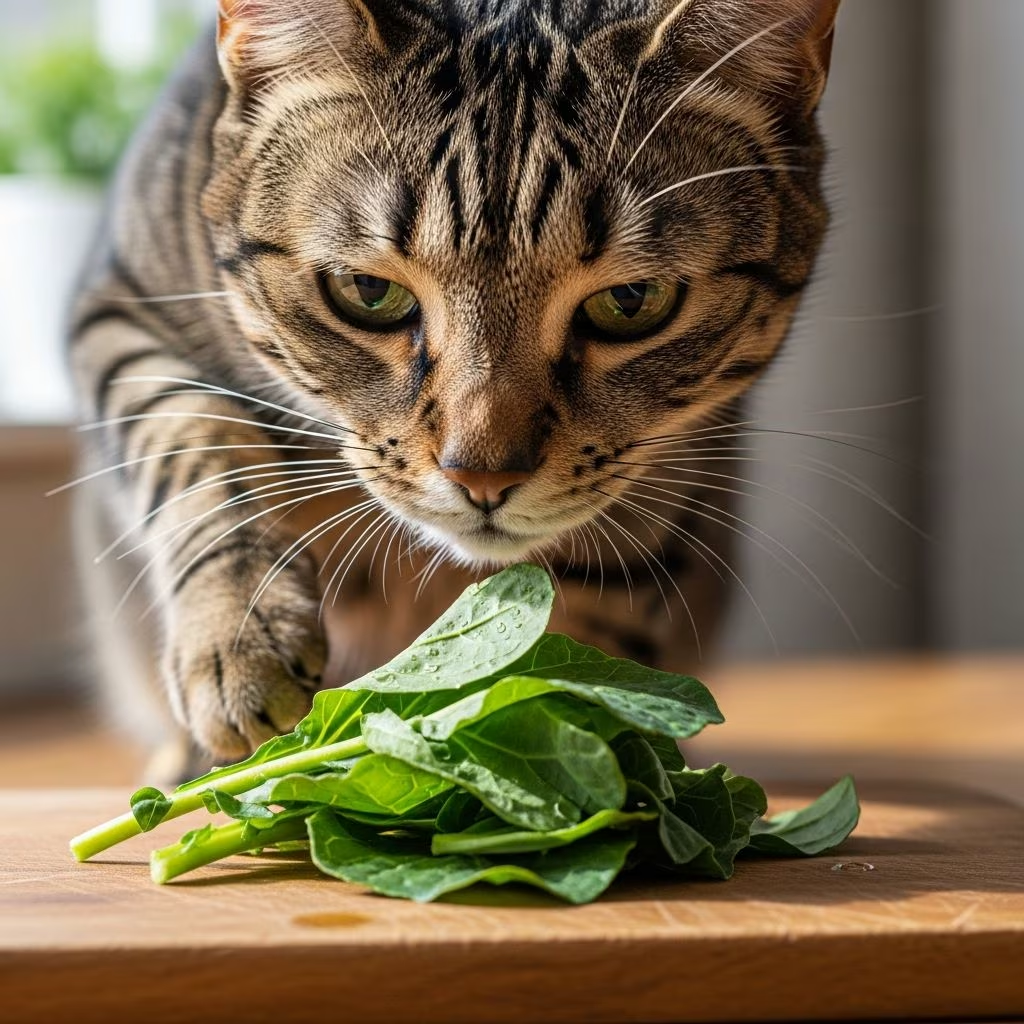
Collard greens, a staple in many human diets, spark curiosity among cat owners wondering if these leafy greens can benefit their feline companions. As obligate carnivores, cats primarily thrive on meat-based nutrition, but small amounts of certain vegetables like collard greens may offer supplementary value when prepared correctly.
This comprehensive guide examines the safety, nutritional profile, potential risks, and best practices for incorporating collard greens into your cat’s diet. Drawing from veterinary insights and pet health resources, we’ll help you decide if these greens suit your pet.
The Short Answer: Can Cats Eat Collard Greens?
Yes, cats can eat collard greens in small amounts occasionally, as they are non-toxic and not poisonous to felines. However, due to their high fiber content and specific compounds, they should never form a significant part of a cat’s diet, which must remain meat-focused. Always cook them lightly, chop finely, and introduce gradually while monitoring for adverse reactions.
Obligate carnivores like cats derive essential nutrients such as taurine from animal proteins, making vegetables like collard greens suitable only as rare treats rather than staples. Veterinary experts emphasize moderation to avoid digestive issues or rarer concerns like Heinz body anemia.
Nutritional Benefits of Collard Greens for Cats
While not essential for cats, collard greens provide complementary nutrients that can support health when fed sparingly. These cruciferous vegetables are rich in vitamins and minerals that aid various bodily functions.
- Vitamin K: Essential for blood clotting and bone health, helping prevent deficiencies in cats with balanced diets.
- Vitamin A precursors: Promote healthy skin, vision, and immune response, though cats convert these less efficiently than meat sources.
- Vitamin C: Acts as an antioxidant to combat oxidative stress, though cats synthesize it naturally.
- Dietary fiber: Supports digestion, regulates bowel movements, and may prevent constipation in small doses.
- Iron and magnesium: Contribute to oxygen transport and muscle function, supplementing core dietary needs.
- Antioxidants: Reduce inflammation and bolster immunity, providing minor protective effects.
These benefits are most pronounced in cooked form, where steaming preserves nutrients without the digestive challenges of raw greens. A small serving—about 1/8 to 3/4 cup chopped cooked greens (1.4–8.25 calories)—adds low-calorie variety without disrupting caloric balance.
Potential Risks and Dangers of Collard Greens for Cats
Despite benefits, collard greens pose risks if overfed or improperly prepared. Awareness of these helps safeguard your cat’s well-being.
- High fiber content: Can cause gas, bloating, diarrhea, or vomiting, especially in sensitive cats or large quantities.
- Goitrogens: Compounds that may interfere with thyroid function over time, particularly risky for cats with hyperthyroidism.
- Heinz body anemia theory: Some sources suggest potential for this condition affecting red blood cells, with symptoms like lethargy, pale gums, reddish-brown urine, fever, skin discoloration, and appetite loss—though rare and unproven in moderation. Cats with diabetes or thyroid issues face higher risks.
- Raw form difficulties: Tough fibers lead to poor digestion, choking hazards from stems, and stomach upset.
- Seasonings toxicity: Human preparations with garlic, onions, salt, oils, or spices are harmful or fatal to cats.
Cats with pre-existing conditions should avoid them entirely; consult a vet first. Overfeeding displaces vital proteins, leading to nutritional imbalances.
How to Safely Feed Collard Greens to Your Cat
Proper preparation minimizes risks and maximizes benefits. Follow these vet-recommended steps:
- Select fresh greens: Choose organic, pesticide-free collard greens; wash thoroughly.
- Cook lightly: Steam or boil for 30 seconds to soften fibers without nutrient loss—avoid overcooking.
- Remove stems: Use only tender leaves to prevent choking.
- Chop finely: Small pieces ease chewing and digestion.
- Serve plain: No additives; mix with wet food if needed for appeal.
- Portion control: Start with 1 teaspoon cooked, increasing to 1 tablespoon max occasionally (e.g., once weekly).
- Monitor closely: Watch for 24–48 hours post-feeding; discontinue if issues arise.
A sample feeding table for reference:
| Cat Weight | Occasional Serving Size (Cooked, Chopped) | Frequency |
|---|---|---|
| Under 10 lbs | 1 tsp – 1 tbsp | 1–2x/week max |
| 10–15 lbs | 1–2 tbsp | 1x/week max |
| Over 15 lbs | 2 tbsp max | Rarely |
Integrate as toppers on commercial cat food, ensuring 90–100% of diet remains AAFCO-approved meat-based.
What Other Greens Can Cats Eat?
Collard greens belong to cruciferous family; similar options include:
- Kale, bok choy, Brussels sprouts: Safe in tiny, cooked amounts; similar benefits/risks.
- Broccoli: Fully cooked and mashed to avoid choking.
- Spinach, chard: Occasional, watching oxalate levels for urinary health.
Avoid large leafy greens as staples; prioritize vet-approved treats.
Conclusion
Collard greens can safely enhance your cat’s diet as an infrequent treat, offering vitamins, fiber, and antioxidants without toxicity. Key is moderation, proper cooking, and veterinary consultation, especially for health-compromised cats. Prioritize meat-based nutrition for thriving felines, using greens to add variety thoughtfully. Your cat’s optimal health stems from balanced choices informed by reliable guidance.
Frequently Asked Questions (FAQs)
Can cats eat raw collard greens?
No, raw collard greens are tough to digest and may cause stomach upset or choking. Lightly cook them first.
How much collard greens can I give my cat?
Small amounts like 1 teaspoon to 1 tablespoon of cooked greens occasionally; adjust by weight and monitor tolerance.
Are collard greens toxic to cats?
Not toxic, but excessive amounts risk digestive issues, goitrogens affecting thyroid, or theoretical Heinz body anemia.
Can collard greens replace my cat’s regular food?
Absolutely not; cats need meat-based diets for essential nutrients like taurine. Greens are supplements only.
What if my cat shows signs of illness after eating collard greens?
Stop feeding immediately and contact your vet if symptoms like vomiting, diarrhea, lethargy, or pale gums appear.
References
- Can Cats Eat Collard Greens Safely? — Zoorithm. 2023. https://www.zoorithm.com/cats/can-cat-eat-collard-green
- Can Cats Eat Collard Greens? Are Collard Greens Safe For Cats? — CatTime. 2023. https://cattime.com/cat-facts/health/43694-can-cats-eat-collard-greens-safe
- Can Cats Eat Collard Greens? Vet-Verified Facts & Info — Hepper. 2024. https://articles.hepper.com/can-cats-eat-collard-greens/
- Safe and Unsafe Vegetables For Dogs & Cats — Preventive Vet. 2023. https://www.preventivevet.com/pets/safe-vegetables-for-dogs-and-cats
- Can Cats Eat Collard Greens? A Vet’s Perspective — Dial a Vet. 2024. https://www.dialavet.com/blog/can-cats-eat-collard-greens



