

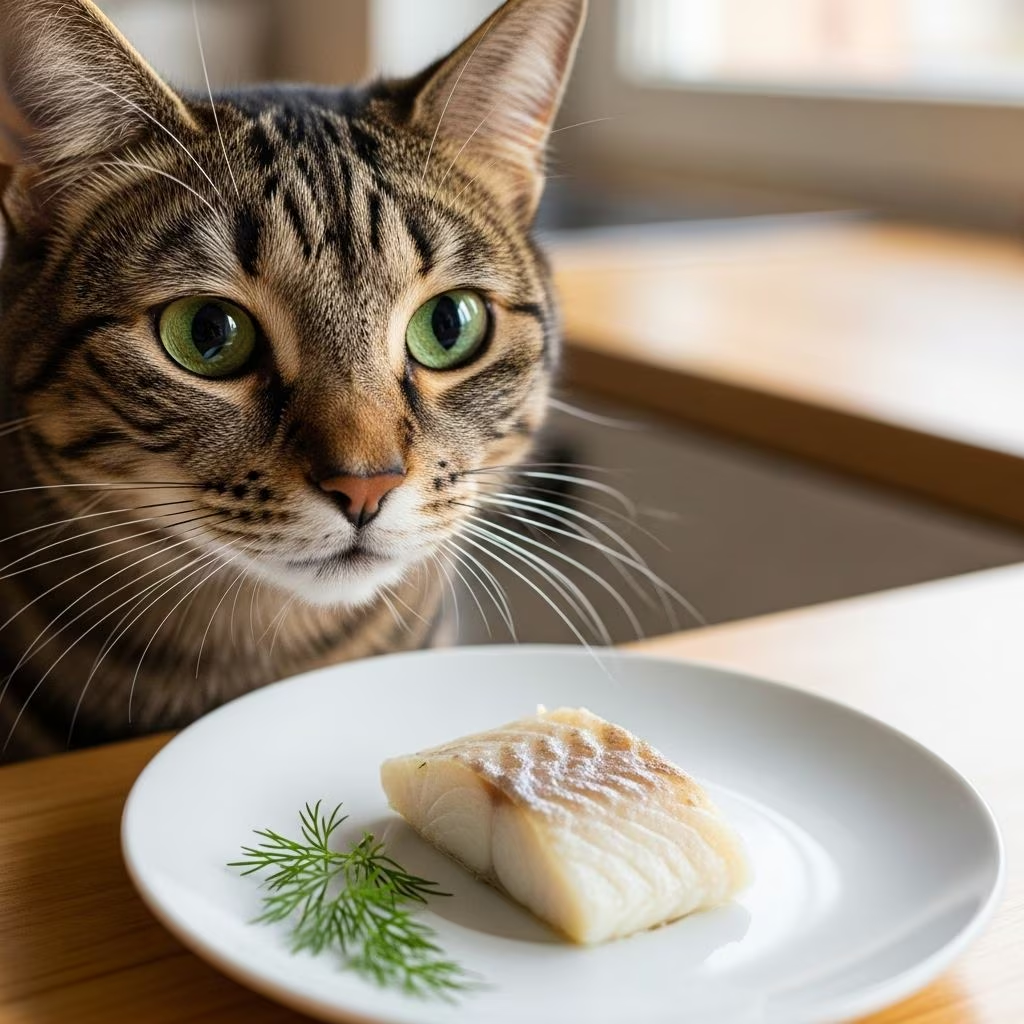
Cod is safe for cats to eat as long as it is properly prepared and offered as a supplement to a balanced diet. This lean white fish provides high-quality protein and essential nutrients, making it an occasional treat rather than a staple food.
The Short Answer
Yes, cats can eat **cod** in small amounts if it is plain, cooked, boneless, and skinless. It should never replace their complete cat food, which is formulated to meet all nutritional needs. Always consult your veterinarian before adding new foods, especially for cats with health conditions.
Highlights
- Cod offers **lean protein** (20g per 4oz serving) ideal for muscle maintenance in obligate carnivores like cats.
- Low in fat (~1g per serving) and contains **omega-3 fatty acids** supporting skin, coat, joints, and inflammation reduction.
- **Low mercury** levels make it safer than many fish for occasional feeding.
- Risks include **thiaminase** in raw cod causing B1 deficiency, bones posing choking hazards, and lack of taurine.
- Feed no more than **10% of daily calories** as treats; prepare by boiling, steaming, or baking without seasonings.
Is Cod Healthy for Cats?
Fish like cod is commonly used as a protein source in commercial cat foods because cats thrive on animal-based proteins. As obligate carnivores, cats process nutrients from meat most efficiently. A 4-ounce serving of cod delivers about 20 grams of protein with only 1 gram of fat, aligning perfectly with their needs for high protein and moderate fat.
Omega-3 fatty acids in cod, including EPA and DHA, promote healthy skin and coat, bolster immune function, reduce inflammation, and support joint health. These benefits are particularly valuable for senior cats or those with mobility issues. Cod liver oil, naturally derived from cod, enhances vision, skin, and coat quality while providing anti-inflammatory omega-3s.
Additionally, cod supplies vitamins like B12 for nervous system health and vitality, though it lacks taurine—an essential amino acid cats must get from complete diets to avoid heart and vision problems. While nutritious, cod alone isn’t balanced; commercial cat foods ensure all required nutrients.
| Nutrient | Benefit for Cats | Amount in 4oz Cod (approx.) |
|---|---|---|
| Protein | Muscle health, energy | 20g |
| Fat | Low-calorie option | 1g |
| Omega-3s | Skin/coat, joints, immunity | Small amounts |
| Vitamin B12 | Nervous system | Present |
Does Cod Contain Mercury?
Mercury toxicity is a concern with fish, but cod is among the lowest-mercury options, making it safer for cats than tuna or swordfish. Limit intake to prevent accumulation, especially in small or frequent servings. The FDA classifies cod as a ‘best choice’ for low mercury.
Other risks with cod include bones that can cause choking or intestinal blockages, and raw fish’s thiaminase enzyme, which destroys thiamine (vitamin B1). Thiamine deficiency leads to serious symptoms like seizures, head tilting, and coordination loss. Always cook cod to neutralize thiaminase and remove bones thoroughly.
Dangers of Feeding Cod to Cats
While beneficial in moderation, improper feeding poses risks:
- Thiamine deficiency: Raw cod’s thiaminase breaks down B1; cook to destroy it.
- Bones: Sharp bones risk choking or perforation; debone completely.
- Mercury: Low but cumulative with overfeeding.
- Taurine absence: Cod lacks this vital amino acid; rely on cat food.
- Seasonings/oils: Salt, butter, or spices upset sensitive stomachs.
- Imbalance: Too much fish disrupts calcium-phosphorus ratios, harming kidneys.
Fish can be allergenic for some cats, causing itching or digestive issues. Whole fish is low in calcium relative to phosphorus, problematic for kidney health.
How to Prepare Cod for Cats
To safely offer cod:
- Cook thoroughly: Boil, steam, or bake; avoid frying or raw.
- Remove bones and skin: Inspect meticulously.
- Serve plain: No salt, oils, garlic, or onions—toxic or irritating.
- Portion control: 10% max of daily calories (e.g., a few bites for a 10lb cat).
Start small to monitor for allergies or upset. Fresh or frozen cod works; canned in water (rinsed) is okay occasionally but check for additives.
How Much Cod Can I Feed My Cat?
Treats like cod should not exceed 10% of daily calories to avoid nutritional gaps. For a cat needing 200 calories/day, limit to 20 calories of cod (about 1-2oz cooked). Frequency: 1-2 times weekly max. Overfeeding risks obesity, deficiencies, or mercury buildup. Kittens and seniors need stricter control due to specific needs.
Can Kittens Eat Cod?
Avoid cod for kittens under 1 year; their growth demands complete, balanced kitten food rich in taurine, calcium, and calories. Occasional tiny amounts of cooked cod may be fine post-weaning, but consult a vet.
FAQ
Can cats eat raw cod?
No. Raw cod contains thiaminase, destroying thiamine and risking neurological issues. Always cook it.
Is cod better than other fish for cats?
Cod’s low fat/mercury makes it suitable, but variety in complete foods is best. Salmon offers more omega-3s.
Can cats with kidney disease eat cod?
Limit due to phosphorus; vet approval needed as imbalances worsen CKD.
Does cod help with cat allergies?
Low-allergen potential, but test small amounts. Fish allergies exist.
Is canned cod okay for cats?
Yes, if in water, low-sodium, boneless/skinless, and rinsed. Plain is key.
References
- Can Cats Eat Cod? Benefits and Risks — Dial A Vet. 2023. https://www.dialavet.com/blog/can-cats-eat-cod
- Can Cats Eat Cod? Vet Approved Nutritional Facts & FAQ — Catster. 2023. https://www.catster.com/nutrition/can-cats-eat-cod/
- Best Fish for Cats — Boat to Bowl Pet Food. 2023. https://boattobowlpetfood.com/blogs/pet-parent-resources/best-fish-for-cats-types-of-fish-cat-love
- 4 Benefits of Fish-First Food For Cats — Simply Naked Pet Food. 2023. https://simplynakedpetfood.com/blogs/fish-based-pet-food-resources/benefits-of-fish-first-cat-food
- How to Cook Fish for Cats — Basepaws. 2023. https://basepaws.com/blog/fish-for-cats
- Fish Facts — All Cats Veterinary Clinic. 2023. https://www.allcatsvetclinic.com/storage/app/media/do-not-feed-fish-to-your-cat.pdf



