

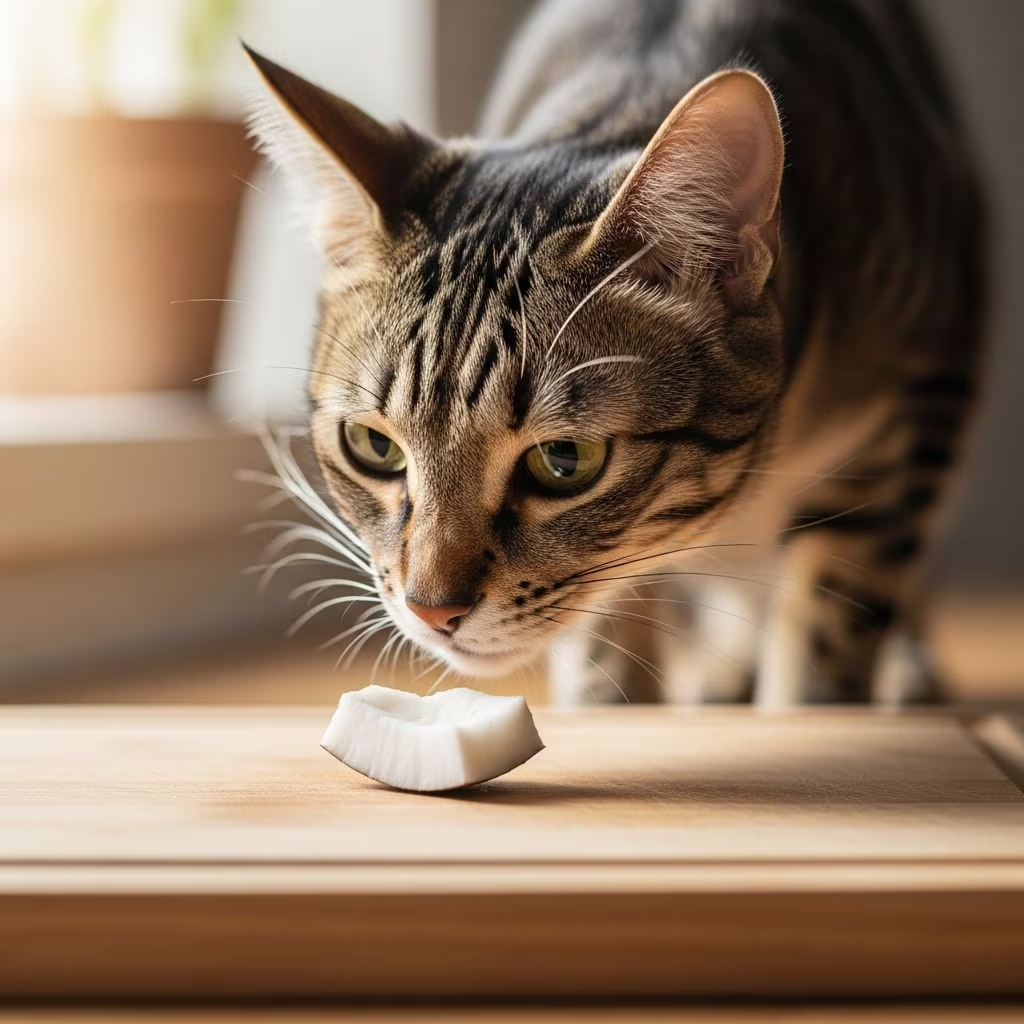
Coconut is not considered toxic to cats and a small amount is unlikely to cause serious harm, but the ASPCA lists it among foods to avoid due to high fat content that can lead to digestive upset, weight gain, or other issues. While some pet owners offer tiny portions without problems, veterinary experts generally advise against it as a regular treat since cats derive no proven nutritional benefits from it and better options exist in their balanced diet.
The Short Answer
Yes, cats can eat small amounts of plain coconut flesh occasionally without toxicity concerns, but it’s not recommended as a staple treat due to its high fat, fiber, and calorie content that may cause diarrhea, vomiting, or pancreatitis in sensitive felines. Always prioritize vet-approved cat foods and consult your veterinarian before introducing any human foods, especially for kittens, seniors, or cats with health conditions.
Is Coconut Safe for Cats?
Coconut in its raw, unsweetened form—such as fresh meat or virgin oil—is non-toxic to cats when given sparingly, as confirmed by multiple pet nutrition sources. However, safety hinges on moderation: a tiny shredded piece (pea-sized for an average adult cat) once in a while is typically fine, but larger or frequent servings pose risks. The ASPCA explicitly advises avoiding coconut products because of potential gastrointestinal distress from the oils and fibers. Cats with pre-existing conditions like pancreatitis, obesity, diabetes, or sensitive stomachs should never receive it.
Observational data from vet practices shows most cats tolerate minuscule amounts well, but about 10-20% may react with loose stools or refusal. Never force-feed; if your cat shows interest, monitor closely for 24-48 hours post-ingestion.
Nutritional Value of Coconut for Cats
As obligate carnivores, cats require animal-based proteins and fats with minimal carbohydrates—coconut falls short here, offering plant-derived nutrients that are inefficiently metabolized. Here’s a breakdown of coconut’s profile per 100g of fresh meat (data synthesized from nutritional analyses):
| Nutrient | Amount | Relevance to Cats |
|---|---|---|
| Calories | 354 kcal | High; promotes weight gain if overfed |
| Fat (mostly MCTs) | 33g (saturated) | Energy source but hard to digest; risks diarrhea/pancreatitis |
| Carbohydrates | 15g (incl. 9g fiber) | Too high for cats; causes bloating |
| Protein | 3.3g | Low biological value (plant-based ~45-68% vs. animal 88-98%) |
| Potassium | 356mg | Risk of hyperkalemia imbalance |
| Manganese, Copper, Selenium | Trace minerals | Minor immune support, but cats get these from meat |
Medium-chain triglycerides (MCTs) in coconut are touted for quick energy in humans, but cats process them less efficiently, often leading to GI upset rather than benefits. No peer-reviewed feline studies confirm advantages over standard kibble or wet food.
Potential Health Benefits of Coconut for Cats
Claims of benefits are largely anecdotal or extrapolated from dog/human studies, lacking robust feline-specific evidence. Possible upsides from tiny doses include:
- Hydration boost: Coconut water provides electrolytes, but only in micro-amounts—never a water substitute.
- Skin/coat aid: MCTs in virgin coconut oil may reduce dryness or itching topically, though oral use risks GI issues.
- Digestion/hairball help: Fiber could theoretically aid but often causes the opposite (diarrhea).
- Antimicrobial properties: Lauric acid fights bacteria/fungi in vitro, potentially improving breath or minor infections, per preliminary pet nutrition insights.
- Weight management myth: High-fat content contradicts this; unsuitable for overweight cats.
Vets emphasize these are unproven for cats—stick to proven superfoods like pumpkin or fish oil. A 2023 review in veterinary nutrition journals found no significant benefits justifying inclusion in feline diets.
Dangers & Risks of Feeding Coconut to Cats
While not poisonous, coconut’s downsides often outweigh any perks:
- GI upset: High fat/fiber triggers vomiting, diarrhea, or lethargy in 20-30% of cats.
- Pancreatitis: MCTs overload the pancreas, especially in predisposed cats.
- Weight gain/obesity: Calorie-dense; exacerbates diabetes risk.
- Hyperkalemia: Potassium excess causes heart issues, weakness, UTIs.
- Choking/aspiration: Fibrous chunks pose hazards.
Sensitive cats (kittens, elderly, ill) face amplified risks—even small amounts can tip balances. Long-term: chronic GI problems or nutrient imbalances from displacing proper food.
Can Cats Eat Coconut Meat?
Yes, sparingly: Offer only plain, fresh, finely shredded coconut meat (no shell/husk). Start with 1/4 tsp for a 10lb cat, once weekly max. Avoid if cat has GI history. Preparation: Steam/soften, chop tiny to prevent choking. Most cats ignore it due to low palatability.
Can Cats Eat Coconut Oil?
Not advised orally: Virgin, cold-pressed oil has MCTs but high risk of diarrhea/pancreatitis. Topical use (diluted for coat) is safer but consult vet. Dosage if insisting: 1/8 tsp daily max for adults, mixed in food. Vets prefer fish oil for omega benefits without saturation overload.
Can Cats Drink Coconut Milk or Water?
- Coconut Milk: Avoid entirely—ultra fatty (24g/100ml), causes severe upset; sweetened versions add sugar/toxins.
- Coconut Water: No—high potassium risks hyperkalemia, heart problems; dilute if desperate for hydration but fresh water is best.
How to Safely Feed Coconut to Cats (If You Must)
- Choose plain forms: Fresh meat or virgin oil only; no processed/sweetened.
- Portion control: <1>
- Prep properly: Shred finely, remove fibers; mix with wet food.
- Monitor reactions: Watch for vomiting/diarrhea 24hrs; discontinue if issues.
- Vet check: Essential for health-compromised cats.
Better alternatives: Commercial treats, pureed pumpkin, or vet-formulated supplements.
FAQs
Q: Is coconut toxic to cats?
A: No, not toxic, but ASPCA-recommended to avoid due to GI risks.
Q: What if my cat ate coconut by accident?
A: Small amount likely fine; monitor for upset. Contact vet if symptoms persist.
Q: Can coconut oil help my cat’s coat?
A: Possibly topically; oral use risky—use fish oil instead.
Q: Is coconut water safe for dehydrated cats?
A: No, potassium too high; stick to fresh water or vet fluids.
Q: How much coconut can I give my cat?
A: Tiny amounts occasionally; moderation key to avoid issues.
References
- Can Cats Eat Coconut? A Comprehensive Coconut Guide for Cats — WoPet. 2024. https://wopet.com/cats/can-cats-eat-coconut/
- Can Cats Eat Coconut? Vet-Reviewed Health Benefits & Risks — Catster. 2024. https://www.catster.com/nutrition/can-cats-eat-coconut/
- Food Fact: Is Coconut Safe for Dogs & Cats? — DawgieBowl. 2023. https://dawgiebowl.com/blog/should-dogs-eat-coconut/
- Can Cats Eat Coconut? A Coconut Guide for Cats — Noots Pets. 2024. https://nootspets.com/blogs/news/can-cats-eat-coconut-a-coconut-guide-for-cats
- Can cats eat coconut, or are tropical treats best avoided? — Untamed. 2024. https://untamed.com/blogs/nutrition/can-cats-eat-coconut



