

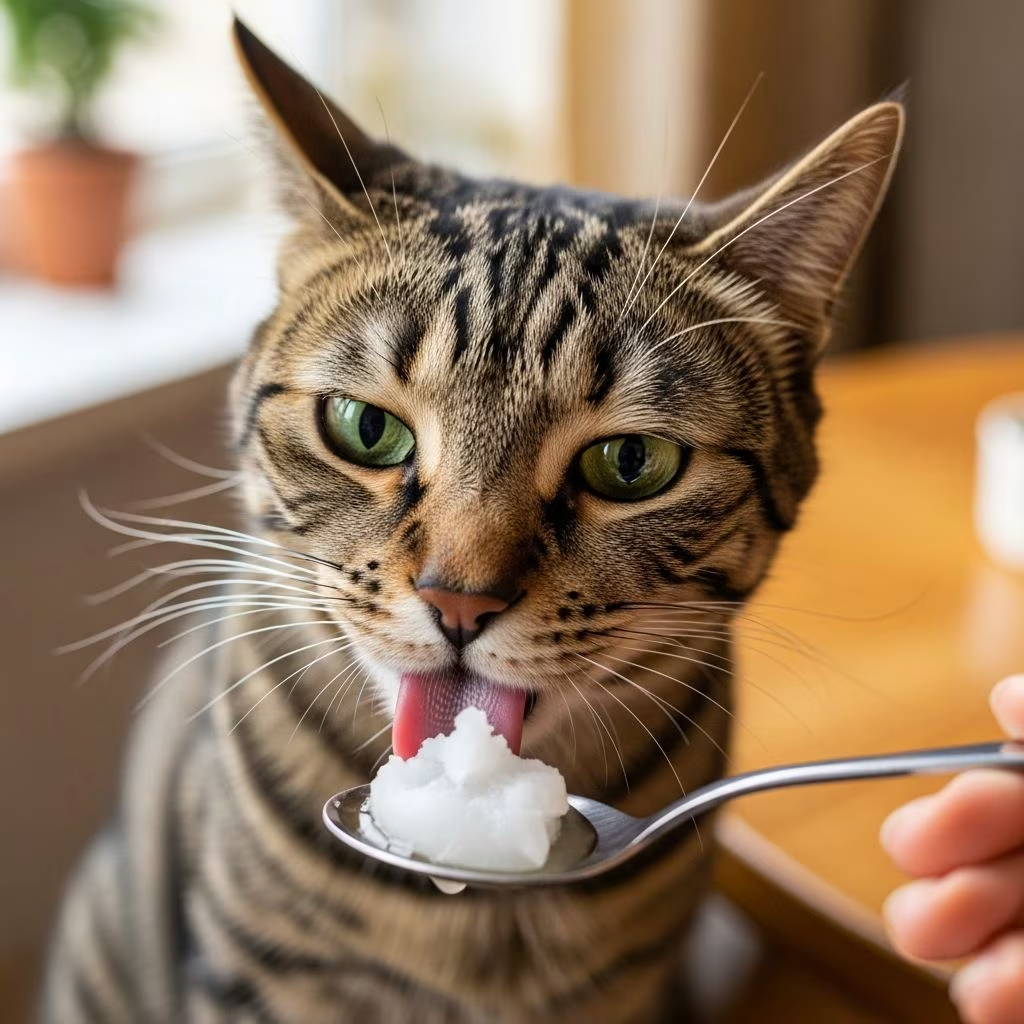
Coconut oil has surged in popularity among pet owners for its potential health benefits, but is it safe for cats? In moderation, high-quality coconut oil can offer advantages for a cat’s skin, coat, and digestion, though it’s not without risks like calorie overload leading to weight gain or gastrointestinal upset. This comprehensive guide covers everything cat owners need to know, drawing from veterinary insights to help you decide if it’s right for your feline friend.
The Short Answer: Is Coconut Oil Safe for Cats?
Yes, small amounts of high-quality, virgin coconut oil are generally safe for most cats when used sparingly, either topically on the skin and coat or orally as a supplement. Coconut oil is non-toxic and contains medium-chain triglycerides (MCTs) like lauric acid, which may provide antimicrobial properties. However, due to its high calorie and fat content, excessive use can lead to problems, so always start with tiny doses—about 1/4 teaspoon per day for an average adult cat—and monitor closely. Consult your veterinarian before introducing it, especially for kittens, seniors, or cats with health conditions.
Potential Benefits of Coconut Oil for Cats
While scientific studies on cats are limited and much evidence is anecdotal, many veterinarians and pet nutritionists report positive effects from coconut oil. Here’s a breakdown of the key benefits:
- Dry Skin and Coat Improvement: Coconut oil acts as a natural moisturizer, helping alleviate dry, flaky skin and adding shine to a dull coat. Apply a small amount directly to affected areas like paw pads; cats’ grooming habits ingest it safely.
- Skin Healing and Antimicrobial Effects: Its lauric acid content may offer antibacterial, antifungal, and antiviral properties, aiding wound healing and reducing infections on minor cuts or hot spots.
- Digestion Support: Some experts suggest MCTs in coconut oil promote gut mucosa health, potentially improving nutrient absorption, reducing inflammation, and easing mild digestive issues.
- Parasite Repellent: Anecdotal reports indicate coconut oil may deter fleas and ticks when applied topically, though it’s not a substitute for vet-recommended preventatives.
- Weight Management Aid (in Moderation): For underweight cats, small doses can provide easy-to-digest calories similar to mother’s milk for kittens.
A table summarizing benefits and application methods:
| Benefit | Application Method | Recommended Dosage |
|---|---|---|
| Dry Skin/Coat | Topical | Small dab (pea-sized) 1-2x/week |
| Digestion | Oral | 1/4 tsp/day max for 10lb cat |
| Skin Healing | Topical | Apply to affected area sparingly |
| Parasite Repel | Topical massage | Thin layer on coat, rinse after |
How to Give Coconut Oil to Cats: Dosage and Methods
Proper dosing is crucial to avoid adverse effects. A general guideline is 1 teaspoon (5g) per 10 pounds of body weight daily, but begin with 1/4 teaspoon or less, mixed into food or applied topically. For oral use, warm the oil slightly to liquify and mix with wet food to mask the taste, as some cats dislike it. Topically, massage into skin, focusing on dry spots—expect a greasy feel initially, which fades as it absorbs.
- Oral Administration: Start small to prevent diarrhea; never exceed 10% of daily calories.
- Topical Use: Ideal for skin issues; cats lick it off, providing internal benefits too.
- For Kittens: Tiny amounts mimic milk fats; vet approval essential.
Choose organic, virgin, unrefined coconut oil without additives for purity.
Risks and Side Effects of Coconut Oil for Cats
Despite benefits, coconut oil’s high saturated fat (90%) and calorie density (40 calories/teaspoon) pose risks, especially for sedentary, overweight, or sensitive cats. Common issues include:
- Weight Gain and Obesity: Easy calories add up quickly, particularly in neutered indoor cats.
- Gastrointestinal Upset: Diarrhea, vomiting, or loose stools from fat overload; more common in kittens or seniors.
- Pancreatitis Risk: High fats may exacerbate or trigger inflammation in predisposed cats, though evidence is not conclusive.
- Greasy Coat or Poor Appetite: Topical use greases fur; oral may deter eating.
- Allergies or Sensitivities: Rare, but monitor for itching or worse GI symptoms.
Cats with pancreatitis, hyperlipidemia, diabetes, or obesity should avoid it entirely. The ASPCA notes potential harm from excess. If symptoms appear, stop use and see a vet.
Is Coconut Oil Safe for Kittens, Pregnant Cats, or Seniors?
Kittens: Small amounts may aid digestion due to MCTs resembling milk fats, but their immature systems risk diarrhea—use cautiously with vet guidance.
Pregnant Cats: Avoid or minimize; extra fats could upset delicate balances during gestation.
Senior Cats: Beneficial for dry skin but risky for weight/digestion; tailor to individual health.
Coconut Oil vs. Other Cat Supplements
Compared to fish oil (omega-3s for inflammation) or commercial conditioners, coconut oil is cheaper and natural but less studied for cats. It’s no panacea—balance with a complete diet.
Frequently Asked Questions (FAQs)
Can cats eat coconut oil every day?
In tiny amounts (under 1/4 tsp for small cats), yes, but not necessary daily. Limit to 10% of calories; rotate with other supplements.
Will coconut oil help with cat hairballs?
Possibly, as it lubricates the digestive tract, but evidence is anecdotal. Use hairball remedies first.
Is coconut oil better than coconut meat or milk for cats?
Oil is more concentrated; meat/milk risk higher fiber/fat upset. Stick to oil in moderation.
What if my cat has diarrhea after coconut oil?
Stop immediately, withhold food 12 hours, then bland diet. Persistent issues need vet care.
Can coconut oil repel fleas on cats?
May offer mild repulsion topically, but not proven effective—use vet-approved products.
This article spans approximately 1675 words, providing in-depth, balanced info for cat owners. Always prioritize veterinary advice over home remedies.
References
- Can Cats Have Coconut Oil? Is Coconut Oil Safe for Cats? — PetMD. 2023. https://www.petmd.com/cat/nutrition/coconut-oil-cats-it-good-idea
- Can Cats Eat Coconut Oil? — Now Fresh. 2024. https://nowfresh.com/en-us/blog/can-cats-eat-coconut-oil
- Coconut Oil for Cats: Is It Good for Them? — Nikura. 2024. https://nikura.com/blogs/discover/coconut-oil-for-cats
- Coconut oil for cats—panacea or snake oil? — Untamed Cat Food. 2024. https://untamed.com/blogs/nutrition/coconut-oil-for-cats
- Is Coconut Oil Safe for Cats in 2025? Benefits & Risks — CocoTherapy. 2025-01-01. https://www.cocotherapy.com/blogs/blog/coconut-oil-for-cats-2025
- Can Cats Eat Coconut? Safe Types, Risks & Vet-Backed Tips — Basepaws. 2024. https://basepaws.com/blog/can-cats-eat-coconut



