

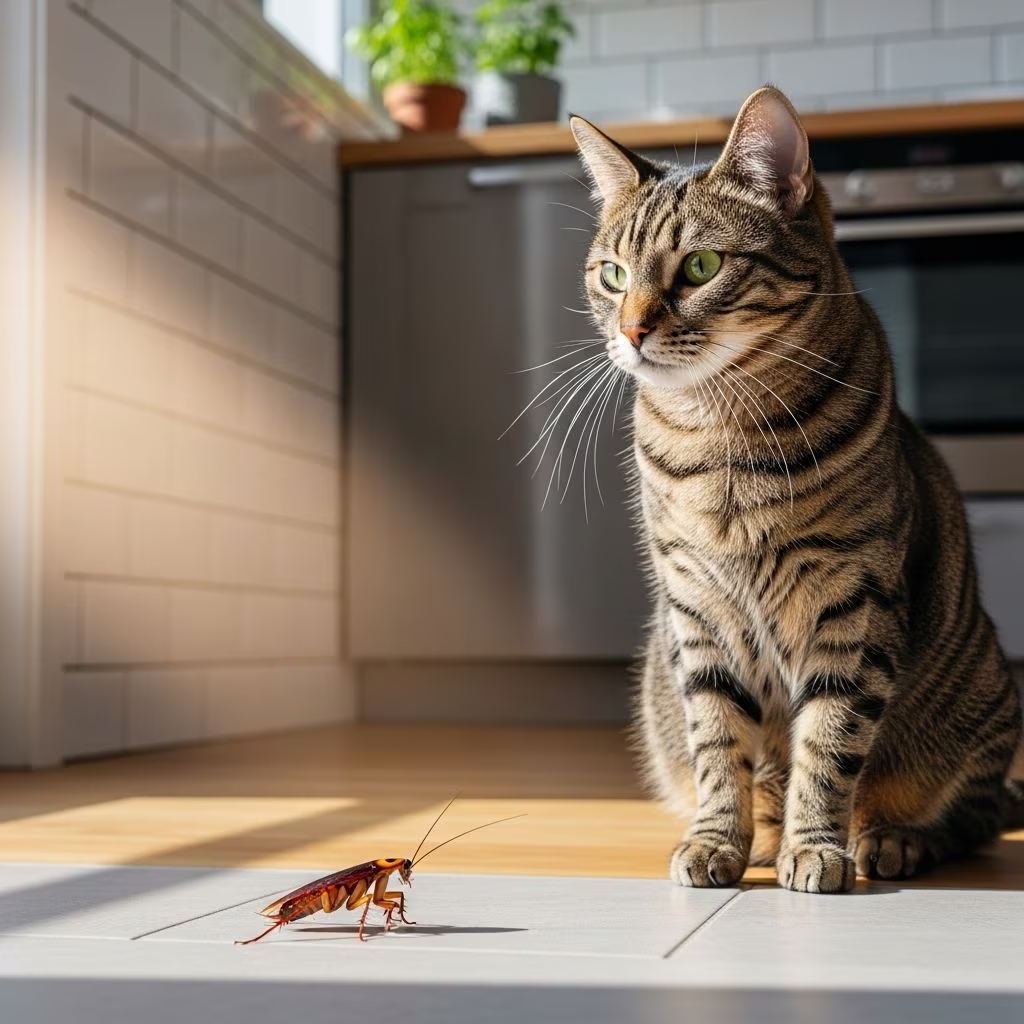
Cats often chase and eat cockroaches due to their natural hunting instincts, but while cockroaches are not inherently toxic, they pose several health risks including bacteria, parasites, pesticides, and choking hazards. Understanding these dangers helps cat owners protect their pets from potential illness.
Are Cockroaches Dangerous for Cats to Eat?
Cats are obligate carnivores with strong predatory drives, making insects like cockroaches appealing targets. Historically, cats controlled pests such as scorpions in ancient Egypt, showcasing their innate hunting prowess. Cockroaches lack venom and do not poison cats directly, but multiple factors render them unsafe as regular snacks.
The hard exoskeleton of cockroaches can irritate a cat’s mouth, throat, or digestive tract, potentially leading to choking or physical injury. Moreover, these insects thrive in unsanitary conditions, carrying contaminants that transfer to cats upon ingestion.
Pesticides
One major concern is pesticide exposure. Cockroaches treated with insecticides may retain residues toxic to cats. While a single cockroach typically carries insufficient amounts to cause severe poisoning, repeated ingestion heightens risks. Symptoms of pesticide toxicity include:
- Vomiting
- Diarrhea
- Seizures
- Drooling
- Increased heart rate
- Trouble breathing
Pet-safe pest control alternatives, such as diatomaceous earth or natural repellents, minimize these dangers. If poisoning is suspected, seek immediate veterinary care.
Bacteria and Parasites
Cockroaches harbor pathogens like Salmonella, E. coli, hookworms, Toxoplasma, and Isospora, transmissible to cats via ingestion. These can trigger infections causing vomiting, diarrhea, lethargy, or intestinal issues. Cats with pre-existing conditions face amplified risks.
Studies confirm cockroaches’ role in spreading bacteria studied for pharmaceuticals but hazardous in vivo. Regular exposure may lead to parasitic infestations requiring deworming.
Choking and Digestive Upset
The tough exoskeleton poses a choking hazard, especially for kittens, and may cause mouth irritation or gastric distress. Mild cases resolve naturally, but persistent symptoms warrant monitoring.
Potential Health Risks of Eating Cockroaches
Health risks span mild to severe, depending on the cockroach’s origin and the cat’s health. Occasional nibbles rarely cause harm, but habitual consumption invites complications.
| Risk Factor | Symptoms | Severity |
|---|---|---|
| Bacterial Infection | Vomiting, diarrhea, lethargy | Mild to moderate |
| Parasitic Transmission | Weight loss, bloody stool, anemia | Moderate to severe |
| Pesticide Poisoning | Drooling, tremors, seizures | Severe |
| Choking/Exoskeleton Injury | Coughing, gagging, oral sores | Mild to moderate |
Beyond physical risks, cockroaches offer negligible nutrition, lacking taurine and other essentials vital for feline health. They cannot substitute balanced commercial diets proven digestible alongside insects in controlled studies.
What to Do if Your Cat Eats a Cockroach
Observe your cat for 24-48 hours post-ingestion. Most recover uneventfully from one cockroach, but vigilance is key.
- Monitor symptoms: Watch for vomiting, diarrhea, drooling, lethargy, appetite loss, or behavioral changes.
- Assess environment: Note recent pesticide use; treated roaches amplify toxicity risks.
- Preserve evidence: Save the cockroach or photo for veterinary analysis.
- Seek help: Contact a vet for severe signs like seizures, breathing issues, or symptoms persisting beyond 48 hours.
Prompt intervention prevents escalation. Hydration and a bland diet aid recovery from mild upset.
How to Prevent Your Cat from Eating Cockroaches
Proactive measures curb infestations and satisfy hunting urges safely.
- Maintain cleanliness: Seal food, fix leaks, and vacuum regularly to deter roaches.
- Use pet-safe controls: Opt for gels, baits, or traps non-toxic to cats; avoid sprays near pets.
- Provide alternatives: Interactive toys, laser pointers, or commercial insect treats channel instincts.
- Block access: Secure cabinets, use door sweeps, and elevate food storage.
Integrated pest management reduces encounters without chemicals harmful to cats.
Benefits of Cats Hunting Insects (In Moderation)
While risky, occasional bug-hunting hones skills, provides exercise, and offers minor protein. Controlled insect diets show cats digest proteins effectively, akin to meat sources. However, prioritize safety over indulgence.
Frequently Asked Questions (FAQs)
Can cockroaches make my cat sick?
Yes, cockroaches can transmit bacteria like Salmonella, parasites such as hookworms, and pesticide residues, potentially causing infections, digestive upset, or poisoning.
Is it normal for cats to eat insects like cockroaches?
Yes, it’s a natural instinct driven by movement, but regular consumption of wild cockroaches is unsafe due to contaminants.
What symptoms should I watch for if my cat eats a cockroach?
Monitor for vomiting, diarrhea, drooling, lethargy, seizures, or breathing difficulties; consult a vet if symptoms appear.
How can I prevent my cat from eating cockroaches?
Keep your home clean, use pet-safe pest control, offer toys for hunting play, and restrict access to infested areas.
Are there safe insect treats for cats?
Yes, commercial freeze-dried crickets or mealworms provide safe, nutrient-balanced alternatives to wild bugs.
Final Thoughts
Cats eating cockroaches taps into their predatory heritage but introduces unnecessary risks from pathogens, chemicals, and physical hazards. While not fatal in isolation, prevention through hygiene, safe pest control, and enrichment ensures your cat thrives without peril. Consult veterinarians for tailored advice, safeguarding your feline companion’s well-being.
References
- Can Cats Eat Cockroaches? Vet-Verified Facts, Risks & Tips — Catster. 2023-10-15. https://www.catster.com/cat-health-care/can-cats-eat-cockroaches/
- Can Cats Eat Cockroaches? Safety & Risks Explained — Zoorithm. 2024-05-20. https://www.zoorithm.com/cats/can-cat-eat-cockroache
- Do Cats Eat Cockroaches? Surprising Facts Explained — Kinship. 2024-02-12. https://www.kinship.com/cat-nutrition/do-cats-eat-cockroaches
- Recognized as a Carrier of Pathogens (on cockroach bacteria) — Centers for Disease Control and Prevention (CDC). 2022-08-10. https://www.cdc.gov/rotavirus/about/transmission.html
- Pet Poison Helpline: Insecticide Toxicity in Cats — Pet Poison Helpline (Veterinary Toxicology Resource). 2025-01-05. https://www.petpoisonhelpline.com/



