

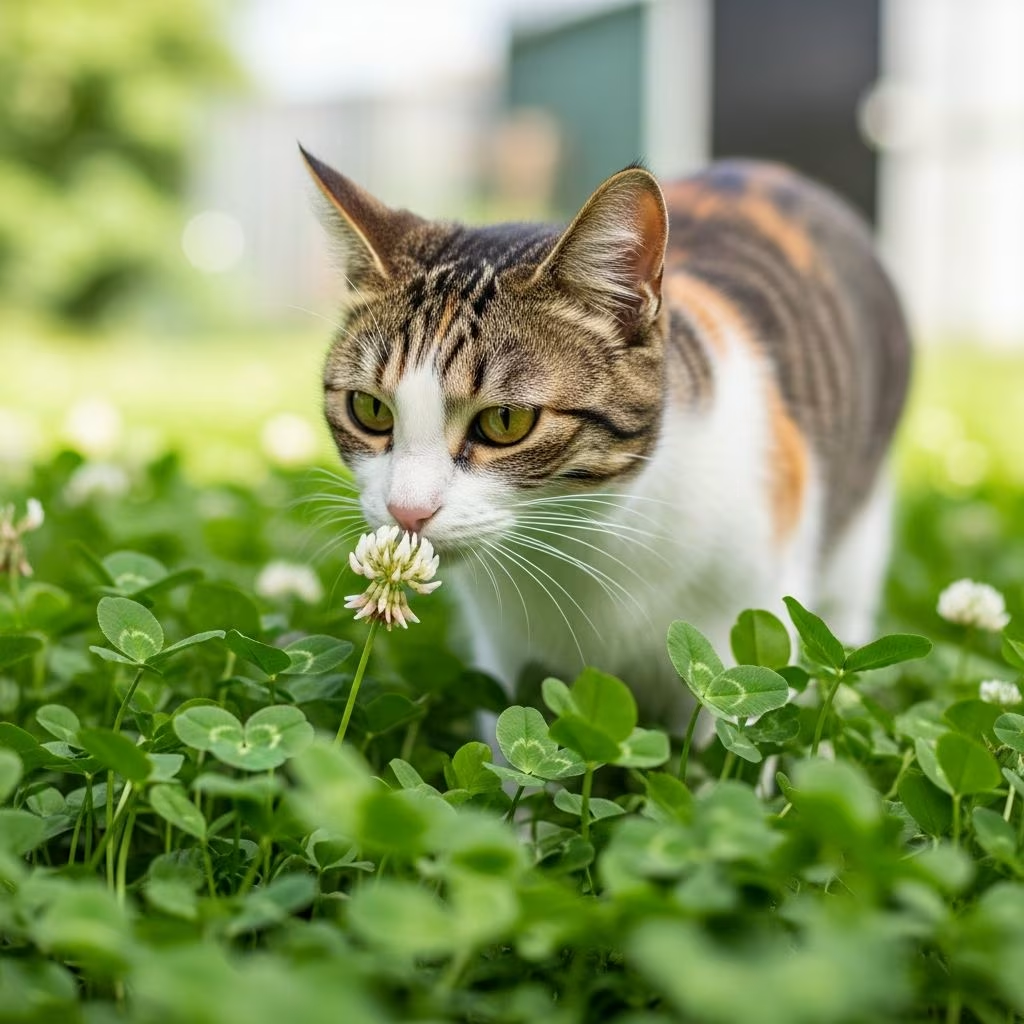
Cats often nibble on plants out of curiosity, boredom, or instinct, and clover is a common target in yards and gardens. While many sources consider common clover non-toxic to cats in small amounts, certain varieties like those in the Oxalis genus can pose risks due to oxalic acid content. Understanding the differences between safe clovers (such as white and red clover) and potentially harmful shamrock plants is crucial for pet safety.
This article explores clover’s safety for cats, potential benefits, associated risks, symptoms of issues, and practical advice for cat owners. Always prioritize untreated, organic clover and consult a veterinarian for personalized guidance, especially if your cat shows any adverse reactions.
Why Do Cats Eat Clover?
Cats are obligate carnivores but exhibit pica-like behaviors, chewing on plants for various reasons. Clover’s mild texture and taste appeal to many felines during exploration or play. Common motivations include:
- Digestion aid: Cats chew fibrous plants like clover to induce vomiting, helping expel hairballs or soothe upset stomachs.
- Nutritional instinct: Even though cats don’t need plant matter, they may seek trace fiber or moisture from greenery.
- Boredom relief: Indoor cats often turn to houseplants or lawn clover for mental stimulation and stress reduction.
- Texture enjoyment: The soft, juicy leaves provide a satisfying chew similar to cat grass.
Monitoring this behavior prevents overindulgence, which could lead to mild digestive upset regardless of toxicity.
Is Clover Safe for Cats to Eat?
The safety of clover for cats depends on the type, treatment, and quantity consumed. Common white clover (Trifolium repens) and red clover (Trifolium pratense) are generally non-toxic and safe in moderation. These lack harmful compounds and are unlikely to cause poisoning.
However, confusion arises with “shamrock” or sorrel plants (Oxalis species), often misidentified as clover. These contain oxalic acid, which can lead to toxicity symptoms like salivation, tremors, and kidney damage in larger amounts. Small nibbles are typically harmless, but repeated exposure builds up risks.
| Clover Type | Safety Level | Key Notes |
|---|---|---|
| White/Red Clover (Trifolium) | Safe in small amounts | Non-toxic; fiber-rich; avoid chemical-treated. |
| Oxalis (Shamrock/Sorrel) | Potentially toxic | Oxalic acid; monitor for kidney issues. |
| Chemically treated clover | Unsafe | Pesticides/herbicides cause poisoning. |
Key rule: Only allow access to untreated, pesticide-free clover from safe environments. Large quantities of any plant can overload a cat’s digestive system with fiber, causing temporary issues.
Potential Benefits of Clover for Cats
Though not a dietary staple, moderate clover consumption offers minor perks for cats:
- Fiber boost: Helps with digestion, prevents constipation, and eases hairball passage by adding bulk to stool.
- Trace nutrients: Provides small amounts of vitamin C, iron, and antioxidants, supporting immunity and skin health—especially red clover.
- Oral health: Chewing stimulates saliva, cleaning teeth and freshening breath naturally.
- Enrichment: Satisfies foraging instincts, reducing stress and destructive behaviors in bored cats.
Red clover, in particular, shows promise in veterinary herbal remedies for detoxification, inflammation reduction, and immune support when used appropriately under guidance. However, these benefits don’t outweigh a complete, meat-based commercial cat food diet.
Risks and Symptoms to Watch For After Eating Clover
While safe clovers pose low risk, potential issues include:
- Digestive upset: Vomiting, diarrhea, or bloating from fiber overload in large amounts.
- Allergies: Rare itching, swelling, or skin irritation in sensitive cats.
- Chemical poisoning: If treated with herbicides, symptoms like drooling, lethargy, and appetite loss occur.
- Oxalic acid toxicity (Oxalis): Salivation, tremors, pain, lethargy, diarrhea, and severe cases leading to kidney failure.
- Choking: Large stems or clumps swallowed whole.
Symptoms requiring immediate vet attention:
- Vomiting or diarrhea persisting beyond 24 hours.
- Lethargy, weakness, or loss of appetite.
- Drooling excessively or tremors.
- Discolored urine or abdominal pain.
Act fast: Remove access, offer water, and call a vet or pet poison hotline. Early intervention prevents complications.
What Should You Do If Your Cat Eats Clover?
Don’t panic for small amounts of untreated clover—most cats recover fine. Steps include:
- Assess quantity and type: Identify if it’s safe clover or Oxalis; check for chemical exposure.
- Monitor closely: Watch for 24-48 hours for symptoms like vomiting or lethargy.
- Support at home: Provide fresh water, withhold food briefly if vomiting, and offer bland food later.
- Seek vet help: If symptoms appear, induce no vomiting yourself—let professionals handle it. Bring a plant sample if possible.
Prevent future incidents by cat-proofing gardens and offering alternatives (see below).
Are There Better Plants for Cats to Chew?
Yes, opt for cat-safe, beneficial plants over wild clover:
- Cat grass (wheatgrass/oat grass): Grown indoors; perfect for digestion and hairballs.
- Catnip: Euphoric response; safe and stimulating.
- Valerian root: Calming alternative to catnip.
- Spider plant: Non-toxic, resilient houseplant for nibbling.
Avoid common toxics like lilies, chives, or lemongrass, which cause severe issues like anemia or gastrointestinal shock. Create a pet-safe garden with these for enrichment.
Conclusion
Clover can be safe for cats in small, untreated amounts, offering digestive and enrichment benefits, but risks from Oxalis varieties, chemicals, or excess intake make caution essential. Prioritize observation, safe alternatives like cat grass, and vet consultation for any concerns. By understanding clover’s nuances, you ensure your cat’s curiosity doesn’t compromise their health.
Frequently Asked Questions (FAQs)
Can cats eat clover safely?
Yes, common white and red clover is safe in small amounts if pesticide-free, but avoid Oxalis shamrock types.
What should I do if my cat eats a lot of clover?
Monitor for vomiting or diarrhea; offer water and contact a vet if symptoms persist.
Is clover toxic to cats?
Trifolium clover is non-toxic, but Oxalis contains oxalic acid and can be harmful in quantity.
Are there better plants for cats to chew?
Cat grass, catnip, and spider plants are safer, more beneficial options.
Can red clover benefit my cat’s health?
In moderation or vet-formulated supplements, it supports immunity and detoxification.
References
- Can Cats Eat Clover? Safety & Care Guide — Zoorithm. 2023. https://www.zoorithm.com/cats/can-cat-eat-clover
- Is Clover Safe for Dogs? — Pet First Veterinary Clinic. 2024-01-15. https://petfirst.ae/is-clover-safe-for-dogs/
- Is it dangerous if my cat chews on clover in the lawn? — Dial A Vet. 2023. https://www.dialavet.com/vet-answers/cat-chews-clover-lawn-danger-135150
- Can Cats Eat Clover? Common Herbs Examined — Catster. 2024. https://www.catster.com/cat-health-care/can-cats-eat-clover/
- Red Clover for Dogs & Cats: Is It Safe? — NHV Natural Pet Products. 2023. https://nhvpethealth.com/blog/red-clover-for-dogs-cats-is-it-safe/



