

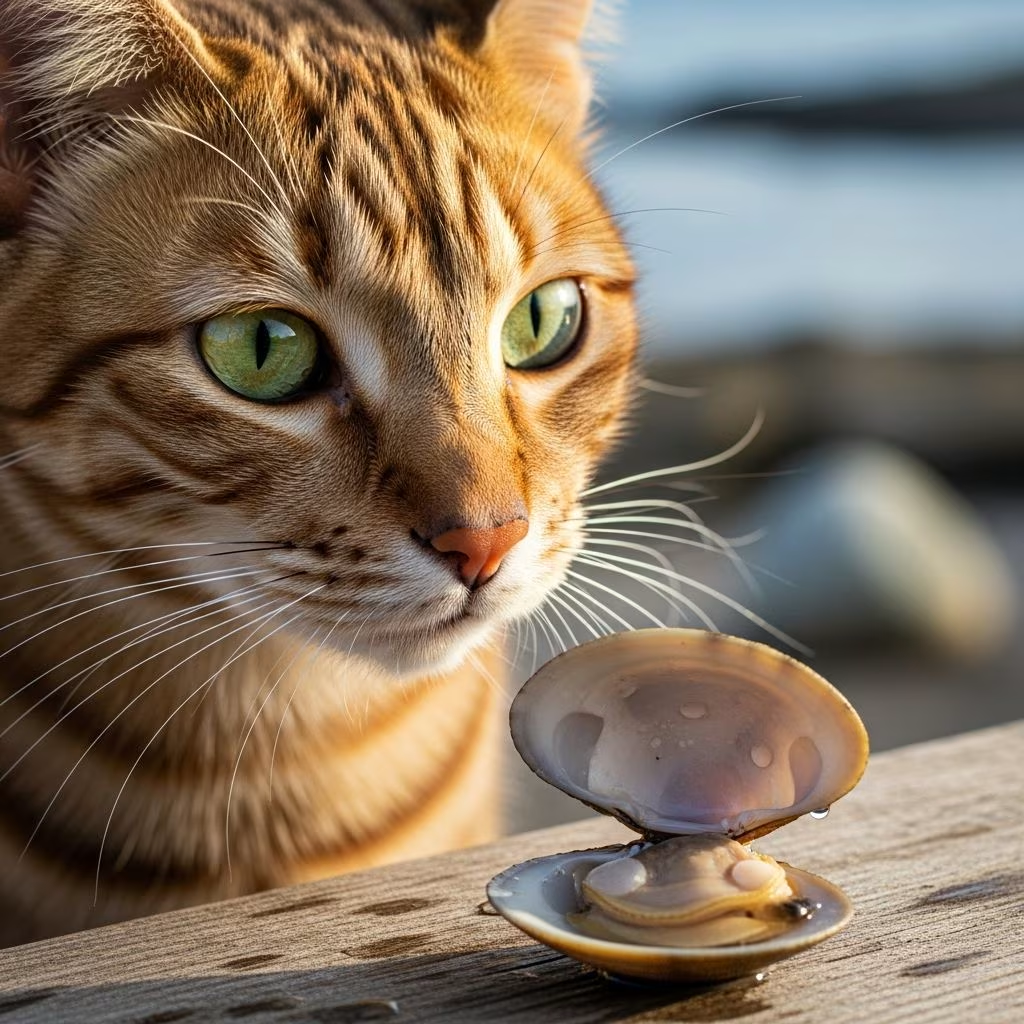
Cats can safely eat clams in moderation when they are properly cooked, plain, and free from seasonings or additives. These shellfish provide essential nutrients like high-quality protein, taurine, vitamins, and minerals that support feline health, but risks such as allergies, bacterial contamination, and high sodium content require careful preparation and limited feeding.
Why Clams Can Be Healthy for Cats
Clams offer several nutritional advantages that can complement a cat’s balanced diet when given occasionally. As obligate carnivores, cats thrive on animal-based proteins, and clams deliver lean, high-quality protein essential for muscle maintenance, energy levels, and overall vitality.
One standout nutrient in clams is **taurine**, an amino acid critical for cats. Taurine supports heart health, vision, reproduction, and immune function. Deficiency can lead to serious issues like dilated cardiomyopathy, retinal degeneration, and blindness. Clams rank among the richest natural sources of taurine, making small portions beneficial without replacing commercial cat food fortified with this nutrient.
- Protein: Supports muscle repair and growth, providing complete amino acids cats need.
- Omega-3 Fatty Acids: Promote healthy skin, a glossy coat, and reduced inflammation.
- Vitamin B12: Aids nerve function and red blood cell production, preventing anemia.
- Iron: Facilitates oxygen transport in the blood.
- Zinc: Boosts immune response and wound healing.
- Antioxidants: Combat oxidative stress and may help with chronic conditions like arthritis.
The low-fat profile of clams makes them suitable for weight management in overweight cats, adding variety to protein sources while keeping calorie intake in check. However, these benefits are maximized only with moderation, as clams should not exceed 10% of daily caloric intake.
Potential Risks of Feeding Clams to Cats
Despite their perks, clams pose risks that demand caution. Shellfish allergies affect some cats, manifesting as itching, swelling, vomiting, diarrhea, or skin issues shortly after consumption. Introduce clams gradually and monitor closely.
Raw or undercooked clams harbor bacteria like Vibrio or Salmonella, and parasites, potentially causing foodborne illness. Contaminated waters can lead to toxin accumulation, including heavy metals, posing long-term health threats.
Canned clams often contain excessive sodium, risking salt toxicity, dehydration, or hypertension. Seasonings like garlic, onion, or oils in prepared dishes are toxic to cats, damaging red blood cells.
Overfeeding disrupts nutritional balance, potentially causing deficiencies or digestive upset due to high protein or unfamiliar texture.
- Allergies: Itching, gastrointestinal distress, or anaphylaxis in sensitive cats.
- Bacterial/Parasitic Infection: From raw clams; symptoms include vomiting and lethargy.
- Sodium Overload: Especially from canned varieties; leads to thirst, weakness.
- Toxins: Heavy metals from polluted sources.
- Choking Hazard: Shell fragments if not removed.
Vulnerable cats—kittens, seniors, or those with kidney disease, allergies, or digestive issues—should avoid clams. Always consult a vet first.
How to Prepare Clams for Cats
Safe preparation eliminates most risks. Source fresh clams from reputable suppliers, discarding any with cracked shells or foul odors.
- Clean Thoroughly: Rinse under cold water to remove sand and debris.
- Cook Properly: Steam or boil until shells open (discard unopened ones). Ensure fully cooked to kill pathogens—internal temperature reaches 145°F (63°C).
- Remove Shells: Extract meat, chop into small, boneless pieces to prevent choking.
- Avoid Additives: No salt, butter, garlic, onions, or sauces.
- Cool Completely: Serve at room temperature or chilled.
For canned clams, rinse extensively to reduce sodium, but fresh is preferable. Store leftovers refrigerated for up to 2 days; freeze portions for longer.
| Method | Pros | Cons | Best For |
|---|---|---|---|
| Fresh Steamed | Nutrient-rich, low sodium | Time-intensive | Occasional treats |
| Canned (Rinsed) | Convenient | High sodium residue | Emergencies only |
| Raw | Retains enzymes (not for cats) | High risk of illness | Never |
How Often Can Cats Eat Clams?
Limit clams to an **occasional treat**—once or twice monthly, comprising no more than 1-2 teaspoons per 10 pounds of body weight per serving. This prevents imbalances while allowing enjoyment.
Factors influencing frequency:
- Age/Health: Healthy adults tolerate more; adjust for kittens or ill cats.
- Diet: Ensure commercial food provides 90-100% nutrition.
- Reaction: Stop if adverse signs appear.
Track intake to avoid treat dependency, maintaining appetite for balanced kibble or wet food.
Can Cats Eat Clam Chowder?
No, clam chowder is unsafe due to onions, garlic (toxic), dairy (lactose intolerance causes diarrhea), and high salt/fat. Offer plain cooked clams instead.
Alternatives to Clams for Cats
If clams aren’t suitable, consider these taurine-rich, vet-approved treats:
- Commercial Fish Treats: Formulated for cats, low-risk.
- Cooked Chicken/Turkey: Lean proteins.
- Salmon (Cooked): Omega-3s, in moderation.
- Taurine Supplements: Vet-recommended if deficient.
Always prioritize AAFCO-approved cat foods.
Frequently Asked Questions (FAQs)
Can cats eat raw clams?
No, raw clams risk bacterial infections like Salmonella and parasites. Always cook thoroughly.
Are clams toxic to cats?
Plain cooked clams are not toxic but can harm if seasoned, canned (high sodium), or contaminated. Moderation is key.
Are canned clams safe for cats?
Only rinsed to remove sodium; fresh cooked is better. Limit due to preservatives.
Do clams provide enough taurine for cats?
They contribute but don’t replace balanced diets. Use as supplement, not staple.
What if my cat has an allergic reaction to clams?
Stop feeding, monitor symptoms, and see a vet. Antihistamines or supportive care may be needed.
Conclusion
Clams can enrich your cat’s diet as a nutrient-packed treat, offering taurine, protein, and vitamins when fed sparingly and safely. Prioritize proper cooking, no seasonings, and veterinary guidance to mitigate risks like allergies or infections. A varied, balanced approach ensures your feline thrives—consult your vet for personalized advice.
References
- Can Cats Eat Clams? Safety & Feeding Guide — Zoorithm. 2023. https://www.zoorithm.com/cats/can-cat-eat-clam
- Can Cats Eat Clams? Vet Approved Health & Safety Facts — Hepper. 2023. https://articles.hepper.com/can-cats-eat-clams/
- Health Benefits of Feeding Clams to Cats Explained — Barfindia. 2023. https://barfindia.com/blogs/blog/feeding-clams-to-cats
- Can Cats Eat Clams? Vet-Approved Nutritional Facts & FAQ — Catster. 2023. https://www.catster.com/nutrition/can-cats-eat-clams/



