

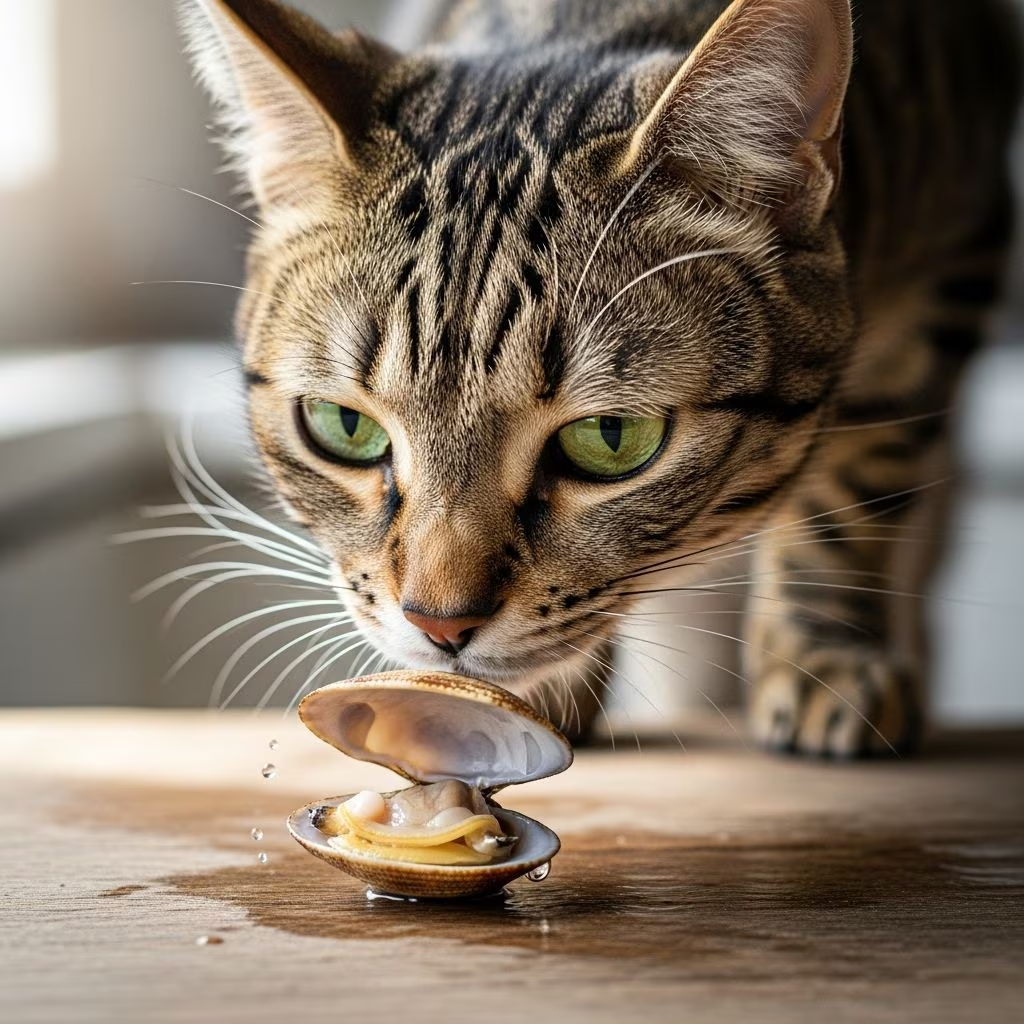
Cats can safely eat clams in moderation when they are plain, thoroughly cooked, and free from seasonings or additives. Clams provide essential nutrients like protein, taurine, vitamins, and minerals that support feline health, but improper preparation or overfeeding poses risks such as digestive upset, allergies, or toxicity from contaminants.
Why Clams Can Be Healthy for Cats
Clams offer several nutritional advantages for cats when fed occasionally as a treat. They are particularly rich in **taurine**, an essential amino acid that cats cannot produce sufficiently on their own. Taurine deficiency can lead to serious issues like heart disease, vision loss, and dental problems in felines.
Shellfish like clams are also packed with high-quality protein essential for muscle maintenance and energy. They contain omega-3 fatty acids that promote healthy skin, a shiny coat, and reduced inflammation. Additional benefits include vitamins such as B12 for nerve function and red blood cell production, iron to prevent anemia, and zinc for immune support and wound healing.
Clams have low fat content, making them suitable for weight management in cats. Antioxidants in clams help combat oxidative stress and support overall immune health. However, these benefits are maximized only when clams complement a balanced commercial cat food diet, not replace it.
- Taurine: Prevents heart failure, blindness, and tooth decay.
- Protein and Omega-3s: Supports muscles, skin, and coat health.
- Vitamins & Minerals: B12, iron, zinc for energy, immunity, and anemia prevention.
- Low Fat: Ideal for overweight cats.
Potential Risks and Dangers of Clams for Cats
While nutritious, clams carry risks if not handled correctly. Raw clams may harbor bacteria like salmonella or parasites, leading to foodborne illnesses in cats. Contaminated waters can cause clams to accumulate heavy metals or toxins, which are harmful to felines.
Shellfish allergies affect some cats, causing symptoms like itching, swelling, vomiting, diarrhea, or skin issues. Canned clams are high in sodium, risking overload that affects kidneys and heart health. Seasonings such as garlic, onion, salt, or oils in prepared clams are toxic.
Overfeeding disrupts nutritional balance, potentially leading to deficiencies or reduced appetite for complete cat food. Choking hazards from shells or large pieces must be avoided.
| Risk | Symptoms | Prevention |
|---|---|---|
| Allergies | Itching, vomiting, diarrhea | Introduce gradually, monitor reactions |
| Bacteria/Parasites | Illness, lethargy | Cook thoroughly |
| Sodium Overload | Thirst, kidney strain | Avoid canned, rinse if used |
| Toxins/Heavy Metals | Poisoning | Source from clean waters |
How to Safely Prepare and Feed Clams to Cats
To minimize risks, always cook clams fully by steaming or boiling until shells open and meat is opaque. Discard any unopened clams. Remove shells completely to prevent choking, chop into small bite-sized pieces, and serve plain without seasonings.
Fresh clams are preferable over canned due to lower sodium. If using canned, rinse thoroughly under water. Start with tiny amounts to test tolerance, especially for kittens, seniors, or cats with health issues. Consult a vet before introducing clams.
- Select fresh, live clams from reputable sources.
- Cook until fully done; no raw feeding.
- Remove shells and chop finely.
- Serve plain, in moderation.
- Monitor for adverse reactions.
Avoid clam chowder or sauced dishes, as they often contain onions, garlic, dairy, or cream toxic or indigestible for cats. Lactose intolerance in many cats exacerbates stomach upset from creamy soups.
How Often Should Cats Eat Clams?
Clams should be an occasional treat, not a dietary staple—limit to once or twice monthly. This frequency prevents allergies, digestive issues, sodium buildup, and nutritional imbalances while allowing variety.
Portion size: 1-2 small clams per 10 pounds of cat body weight per serving. Adjust based on age, health, and activity. Prioritize complete cat food for 90-100% of diet; treats like clams should be under 10%.
- Kittens/Pregnant Cats: Avoid or minimal due to sensitivity.
- Adults: 1-2x/month max.
- Seniors/Health Issues: Vet approval only.
Alternatives to Clams for Cats
If clams aren’t suitable, consider safer seafood options like cooked salmon or whitefish (deboned, plain). Commercial cat treats formulated with fish provide taurine without risks. Veggies like pumpkin or meats like chicken offer variety.
| Alternative | Benefits | Prep Notes |
|---|---|---|
| Cooked Salmon | Omega-3s, protein | Plain, no skin/bones |
| Chicken | Lean protein | Boiled, unseasoned |
| Fish Oil Supplements | Taurine, omegas | Vet-recommended dose |
Frequently Asked Questions (FAQs)
Can cats eat raw clams?
No, raw clams risk bacteria and parasites. Always cook thoroughly.
Are clams toxic to cats?
Plain cooked clams are not toxic, but raw, seasoned, or contaminated ones can be harmful.
Can cats eat canned clams?
Occasionally, if rinsed to remove sodium, but fresh cooked is better.
Can cats eat clam chowder?
No, due to onions, garlic, dairy, and seasonings.
Is taurine in clams enough for cats?
No, it’s a supplement; rely on balanced cat food.
Always consult your veterinarian before adding clams or new foods to your cat’s diet, especially for those with pre-existing conditions. Monitoring ensures treats enhance health without harm.
References
- Can Cats Eat Clams? Safety & Feeding Guide — Zoorithm. 2024. https://www.zoorithm.com/cats/can-cat-eat-clam
- Can Cats Eat Clams? Vet Approved Health & Safety Facts — Hepper. 2024. https://articles.hepper.com/can-cats-eat-clams/
- Health Benefits of Feeding Clams to Cats Explained — Barfindia. 2024. https://barfindia.com/blogs/blog/feeding-clams-to-cats
- Can Cats Eat Clams? Vet-Approved Nutritional Facts & FAQ — Catster. 2024. https://www.catster.com/nutrition/can-cats-eat-clams/
- Can Cats Eat Clams? A Guide for Cat Owners — LUNETRIX. 2025-02-19. http://lunetrix.liveblog365.com/2025/02/19/can-cats-eat-clams-a-guide-for-cat-owners/
- Can cats eat fish, seafood and shellfish? — Bella+Duke. 2024. https://www.bellaandduke.com/cats/expert-advice/cat-nutrition/can-cats-eat-raw-fish/



