

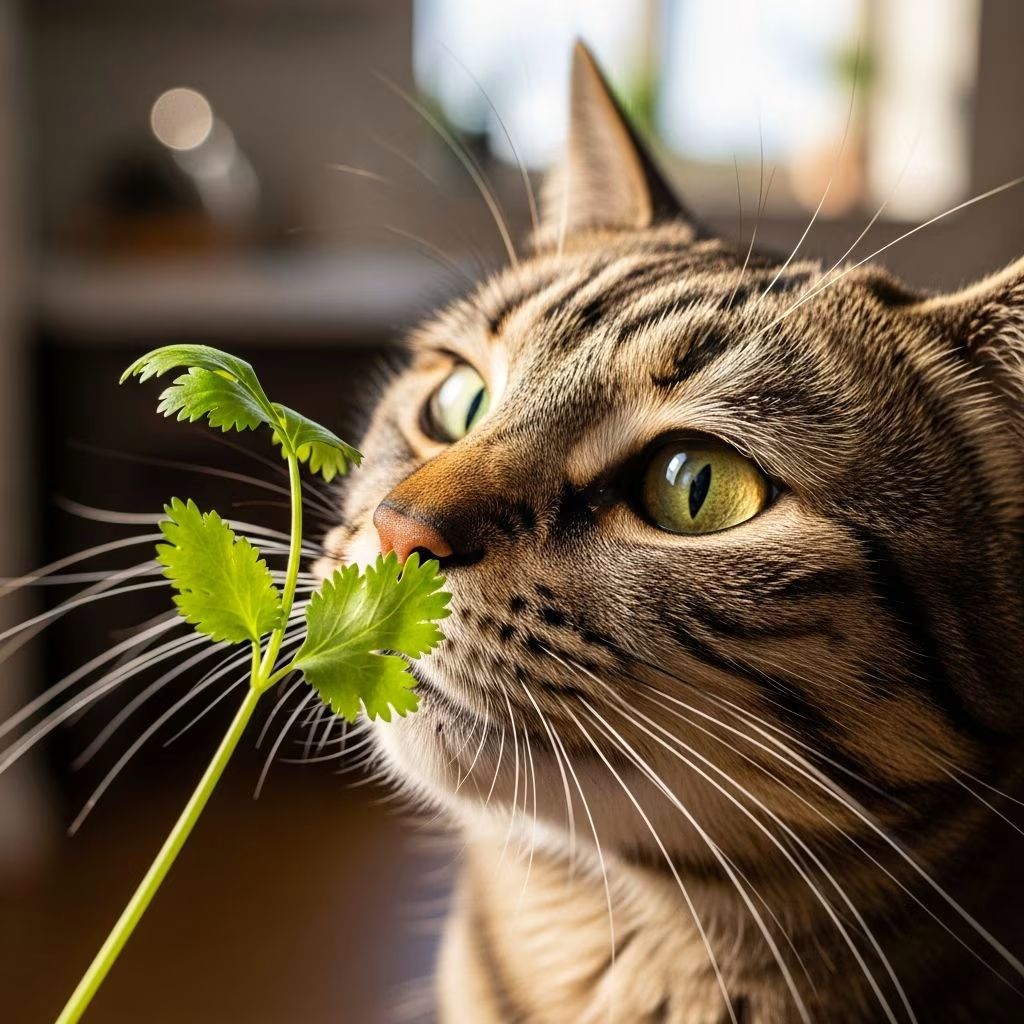
Cilantro, also known as coriander leaves, is a popular herb in human cuisine valued for its fresh, citrusy flavor. Many cat owners wonder if this aromatic green is safe to share with their feline companions. The answer is yes—cilantro is non-toxic to cats and safe in small amounts, according to veterinary sources. However, as obligate carnivores, cats derive little nutritional value from it, and it should not replace their balanced meat-based diet.
This comprehensive guide covers everything you need to know about feeding cilantro to cats, including benefits, risks, preparation tips, and frequently asked questions. Whether your cat nibbles on houseplants or begs for table scraps, understanding cilantro’s role in feline health ensures you make informed choices.
The Nutritional Profile of Cilantro for Cats
Cilantro is packed with nutrients beneficial for humans, including vitamins A, C, K, and various minerals like potassium, manganese, and iron. It also contains antioxidants and dietary fiber. For cats, however, these elements offer minimal value due to their unique digestive systems designed for animal proteins.
Cats are obligate carnivores, meaning they require taurine, arachidonic acid, and other nutrients primarily from meat sources. They cannot efficiently convert plant-based vitamin A precursors into usable vitamin A and synthesize their own vitamin C. Thus, while cilantro provides trace amounts of vitamins and antioxidants, it does not significantly contribute to a cat’s nutritional needs.
- Vitamins: A (precursors), C (not needed by cats), K (trace support for blood clotting).
- Minerals: Potassium for heart function, manganese for metabolism—in tiny, non-essential quantities.
- Other: Antioxidants may offer mild cellular protection; fiber aids minor digestion but can upset sensitive stomachs.
In essence, cilantro is more of a novelty treat than a superfood for cats. High-quality commercial cat food or vet-approved diets meet all essential requirements far better.
Is Cilantro Safe for Cats?
Veterinary consensus confirms cilantro is non-toxic and safe for most cats when given sparingly. The ASPCA lists it as non-toxic, distinguishing it from related toxic herbs like parsley in large amounts. Sources like Dialavet and Hepper emphasize no poisoning risk, though moderation is key to avoid digestive issues.
Adult cats with healthy systems tolerate small bites well. However, individual sensitivities vary—monitor for reactions like vomiting or lethargy. Always introduce new foods gradually.
Potential Benefits of Cilantro for Cats
While not essential, cilantro may provide subtle perks in moderation:
- Antioxidant Boost: Compounds like quercetin combat free radicals, potentially supporting immune health.
- Fresh Breath: Its natural oils can temporarily freshen a cat’s mouth, acting as a natural deodorizer.
- Digestive Aid: Small fiber amounts promote gut motility, though excessive can cause loose stools.
- Low-Calorie Treat: Ideal for overweight cats needing variety without extra calories.
These benefits are anecdotal or minor; no large-scale studies confirm significant impacts on feline health. Prioritize meat-based nutrition for optimal wellness.
Potential Risks and Dangers of Cilantro for Cats
Despite its safety, cilantro isn’t risk-free:
- Digestive Upset: Too much fiber can lead to vomiting, diarrhea, or gas, especially in cats unaccustomed to greens.
- Allergic Reactions: Rare, but symptoms include itching, swelling, or hives. Discontinue immediately if observed.
- Choking Hazard: Long stems or large leaves pose risks if not chopped finely.
- Pesticides: Store-bought cilantro may carry residues harmful to cats; always wash thoroughly.
- Essential Oils Overload: Concentrated oils might irritate sensitive feline systems.
Cats with pre-existing conditions like IBD or kidney issues should avoid it—consult a vet first. Overfeeding disrupts the meat-centric diet balance.
How Much Cilantro Can You Give Your Cat?
Moderation is crucial. Start with a tiny pinch (1/4 teaspoon chopped leaves) once or twice weekly, not exceeding 1 teaspoon for adults. Kittens, seniors, or small breeds get even less.
| Cat Type | Recommended Amount | Frequency |
|---|---|---|
| Adult Cat (5-10 lbs) | 1/4 – 1 tsp chopped | 1-2 times/week |
| Kitten | Avoid or trace amounts | Rarely |
| Senior/Health Issues | Consult vet | As advised |
Adjust based on your cat’s size, age, and tolerance. Treats should never exceed 10% of daily calories.
Can Kittens Eat Cilantro?
No—avoid cilantro for kittens under 1 year. Their immature digestive tracts and high-growth needs demand kitten formula rich in proteins and fats. Introducing herbs risks diarrhea or nutrient imbalances. Wait until adulthood and consult a vet.
Can Cats Eat Cilantro Stems?
Yes, stems are safe like leaves but tougher and higher in fiber, increasing digestive upset risk. Chop finely to minimize choking.
Can Cats Eat Cooked Cilantro?
Cooked cilantro loses potency but remains non-toxic if plain. Avoid seasonings like garlic, onions, or oils, which are toxic. Steamed or boiled plain is safest, though fresh is preferable.
Can Cats Eat Dried Cilantro?
Dried (ground coriander) is safe in pinches but less flavorful and nutritious. Ensure no additives; use sparingly as a garnish.
How to Feed Cilantro to Cats: 4 Vet-Approved Tips
- Wash Thoroughly: Rinse under cool water to remove pesticides; pat dry.
- Chop Finely: Dice leaves and stems into tiny pieces to prevent choking.
- Mix with Food: Sprinkle over wet food or mix into broth for appeal.
- Monitor Reaction: Watch for 24 hours post-feeding; stop if issues arise.
Enhance appeal by pairing with tuna juice or catnip. Never force-feed—let curiosity guide.
Conclusion: Should You Feed Cilantro to Cats?
Cilantro offers a safe, occasional treat with minor benefits but no dietary necessity. Prioritize complete cat foods meeting AAFCO standards. If your cat loves greens, explore cat-safe alternatives like wheatgrass. Always vet-check for personalized advice, ensuring a thriving, happy feline.
Frequently Asked Questions
Q: Is cilantro toxic to cats?
A: No, cilantro is non-toxic and safe in small amounts per veterinary sources.
Q: Does cilantro provide health benefits for cats?
A: Minimal—antioxidants and vitamins offer slight support, but cats get essentials from meat.
Q: What happens if a cat eats too much cilantro?
A: Possible vomiting, diarrhea, or upset stomach due to excess fiber.
Q: Are there safer herb alternatives for cats?
A: Yes—catnip, parsley (small amounts), or wheatgrass are vet-approved options. Avoid chives, garlic.
Q: Can pregnant cats eat cilantro?
A: Consult a vet; generally safe but monitor closely during sensitive periods.
References
- Can Cats Eat Cilantro? A Vet-Approved Guide — Dialavet. 2023. https://www.dialavet.com/blog/can-cats-eat-cilantro
- Can Cats Eat Cilantro? Vet-Reviewed Nutrition & Health Facts — Hepper. 2023. https://articles.hepper.com/can-cats-eat-cilantro/
- Can Cats Eat Cilantro? Safety & Benefits Explained — Bailey’s CBD. 2023. https://baileyscbd.com/blogs/cat-health/cilantro-is-it-safe-for-cats-to-consume
- Can Cats Eat Coriander? Safety Facts & Vet Guidelines — Alibaba Spice. 2023. https://spice.alibaba.com/spice-basics/can-cats-eat-coriander
- Can Cats Eat Cilantro: Understanding What Your Cat Can and Can’t Eat — Modkat. 2023. https://modkat.com/blogs/modkat-purrr/can-cats-eat-cilantro-understanding-what-your-cat-can-and-can-t-eat



