

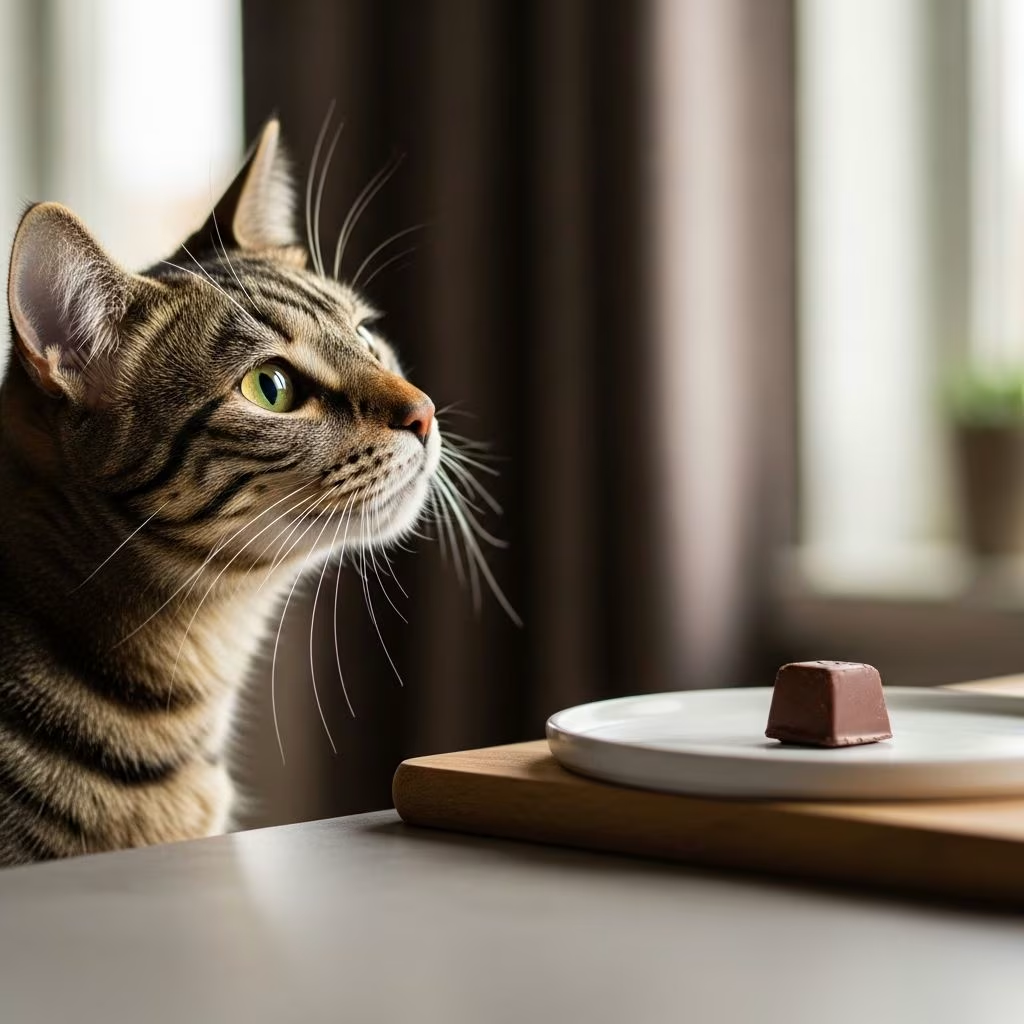
Can Cats Eat Chocolate? The Answer You Need to Know
As a cat owner, you likely know that chocolate is dangerous for dogs. But what about your feline companion? The straightforward answer is no—cats cannot eat chocolate under any circumstances. Chocolate contains toxic compounds that cats’ bodies cannot process efficiently, making even small amounts potentially life-threatening. Understanding the dangers of chocolate toxicity in cats is essential for keeping your pet safe and knowing how to respond in an emergency.
Why Is Chocolate Toxic to Cats?
Chocolate’s danger to cats stems from two primary toxic compounds: theobromine and caffeine. Both of these substances are stimulants that wreak havoc on a cat’s internal systems, particularly their cardiovascular and nervous systems.
How Theobromine Affects Cats
Theobromine is a naturally occurring alkaloid found in cacao, the ingredient that makes chocolate chocolate. While humans can metabolize theobromine relatively efficiently, cats lack the necessary liver enzymes to break down these compounds effectively. This means theobromine accumulates in a cat’s bloodstream, reaching dangerous levels much more quickly than in humans. According to veterinary toxicologists, theobromine acts as both a stimulant to increase heart rate and a diuretic to increase fluid loss, creating a compounding effect that can prove fatal.
The Role of Caffeine
Caffeine compounds the problem by adding another layer of toxicity. When combined with theobromine, caffeine intensifies the stimulant effects on the cat’s heart and nervous system. At lower doses, caffeine primarily causes restlessness and hyperactivity, but at higher doses, it contributes to more severe cardiac complications.
Types of Chocolate and Their Toxicity Levels
Not all chocolate is equally dangerous to cats. The toxicity level depends primarily on the cocoa content and concentration of theobromine. Here’s a breakdown of chocolate types from most to least dangerous:
| Type of Chocolate | Theobromine Content | Toxicity Level | Amount to Cause Harm |
|---|---|---|---|
| Cocoa Powder | Highest concentration | Most Toxic | 1-2 grams can be dangerous |
| Baking Chocolate | Very high (unsweetened) | Most Toxic | 5.7 grams or less |
| Dark Chocolate | High (varies by cocoa %) | Highly Toxic | 14.2 grams |
| Semisweet Chocolate | Moderate to High | Toxic | 14.2 grams |
| Milk Chocolate | Low to Moderate | Less Toxic (Still Harmful) | 32.3 grams |
| White Chocolate | Minimal to none | Least Toxic | Sugar/fat issues instead |
Why Dark Chocolate and Baking Chocolate Are Most Dangerous
Dark chocolate contains significantly more cocoa than milk chocolate, making it up to 20 times more toxic. Baking chocolate, which is essentially unsweetened cocoa solids, represents the most concentrated form of the toxic compounds and poses the greatest risk. Even a small piece—as little as 5.7 grams—can cause serious toxicity in a cat.
White Chocolate: A Different Concern
While white chocolate contains little to no theobromine, making it technically the “safest” option, it’s not entirely risk-free. White chocolate’s high sugar and fat content can cause digestive upset, obesity, and other metabolic issues in cats. It should still be avoided entirely.
How Much Chocolate Is Too Much?
The critical point every cat owner must understand is this: there is no safe amount of chocolate for cats. The amount that becomes toxic depends on several factors, including the type of chocolate, your cat’s weight, age, and overall health status. A smaller cat requires less chocolate to experience toxicity than a larger cat, making kittens and senior cats particularly vulnerable.
For context, a 10-pound cat would need to ingest less than ½ ounce of semisweet chocolate or just under 1¾ ounces of milk chocolate to experience toxic effects. Even these “threshold” amounts represent genuine medical emergencies. Any chocolate consumption, regardless of amount, warrants immediate veterinary attention.
Symptoms of Chocolate Poisoning in Cats
When a cat ingests chocolate, the toxic compounds are absorbed into the bloodstream where they interfere with normal heart and nervous system function. The symptoms can range from mild to life-threatening and typically appear within 6-12 hours of ingestion, though signs can sometimes manifest within 2 hours.
Early and Mild Symptoms
In the early stages of chocolate poisoning, cat owners may notice:
- Hyperactivity and unusual restlessness
- Tremors or muscle twitching
- Rapid or labored breathing
- Increased heart rate
- Vomiting
- Diarrhea
- Excessive drooling
Severe Symptoms
As chocolate toxicity progresses, symptoms become more serious and life-threatening:
- Irregular heartbeat or arrhythmias
- Seizures
- Collapse or loss of consciousness
- Abnormally low blood pressure
- Coma
- Death (in severe untreated cases)
The progression from mild to severe symptoms can happen rapidly, sometimes within hours. What begins as mild vomiting can quickly escalate to seizures and cardiac complications if left untreated.
Can Chocolate Poisoning Be Fatal?
Yes, chocolate poisoning can be fatal to cats. Large ingestions of dark chocolate or baking chocolate can lead to fatal heart arrhythmias, severe seizures, or complete cardiac collapse. Even without an immediate overdose, repeated small exposures can lead to dangerous accumulation of theobromine in the system.
The severity depends on the type and amount of chocolate consumed, combined with your cat’s individual factors. A 5-pound kitten ingesting 10 grams of dark chocolate faces far greater risk than a 15-pound adult cat ingesting the same amount. However, both scenarios constitute medical emergencies that require professional intervention.
What To Do If Your Cat Eats Chocolate
If you suspect or know that your cat has consumed chocolate, follow these critical steps:
Immediate Actions
- Call your veterinarian or emergency vet clinic immediately—don’t wait for symptoms to appear
- Contact the ASPCA Animal Poison Control Center at (888) 426-4435 or visit their website
- Contact Pet Poison Helpline at (855) 764-7661 for immediate guidance
- Have the following information ready: type of chocolate, approximate amount consumed, time of ingestion, and your cat’s weight and age
- Do not induce vomiting without explicit veterinary instruction
What Your Vet May Do
Your veterinarian may recommend or perform:
- Induced vomiting if caught within 1-2 hours of ingestion
- Activated charcoal administration to prevent further absorption
- Gastric lavage (stomach pumping) in severe cases
- IV fluids and supportive care to manage symptoms
- Heart monitoring to detect arrhythmias
- Medications to control seizures or other symptoms
- Observation in a veterinary hospital for 24-48 hours
Preventing Chocolate Poisoning in Cats
The best approach to chocolate toxicity is prevention. Keep these strategies in mind:
Storage and Accessibility
- Store all chocolate products in high cabinets or secure containers that cats cannot access
- Keep chocolate sealed in airtight containers to prevent accidental ingestion
- Dispose of chocolate wrappers and empty containers securely
- Never leave chocolate unattended on counters, tables, or nightstands
Household Management
- Educate family members about chocolate toxicity in cats
- Keep chocolate away from areas where cats spend time
- Be especially vigilant during holidays when chocolate consumption increases
- Ensure guests understand not to feed chocolate treats to your cat
Safe Alternatives
Instead of chocolate, offer your cat cat-safe treats and snacks, such as small pieces of cooked chicken, commercial cat treats formulated for feline nutrition, or catnip-based products.
Understanding Cat Metabolism and Toxicity
The fundamental reason chocolate is so dangerous to cats relates to their unique metabolism. Unlike humans who can process theobromine relatively quickly, cats lack the hepatic enzymes necessary for efficient metabolism of this compound. This means theobromine lingers in a cat’s system far longer, accumulating to dangerous levels. To put this in perspective, a human would need to consume approximately 70 grams of pure theobromine to reach a lethal dose—equivalent to eating about 35 kilograms of milk chocolate at once. A cat, however, can experience fatal toxicity from just a couple of grams of chocolate.
Factors That Influence Chocolate Toxicity Risk
Several variables determine how severely chocolate will affect an individual cat:
- Body Weight: Smaller cats experience toxicity from smaller amounts
- Age: Kittens and senior cats are more vulnerable
- Pre-existing Health Conditions: Cats with heart disease or liver problems face increased risk
- Medication Status: Certain medications may increase sensitivity
- Time Since Ingestion: Earlier intervention prevents absorption and accumulation
- Stomach Contents: Full stomachs slow absorption; empty stomachs accelerate it
Frequently Asked Questions About Cats and Chocolate
Q: Can I give my cat just a tiny lick of chocolate?
A: No. Even minimal amounts can cause stomach upset, vomiting, and diarrhea. There is no safe threshold for chocolate consumption in cats. What seems like an insignificant taste to you could cause serious problems for your cat.
Q: Is milk chocolate safer than dark chocolate?
A: Milk chocolate is less toxic than dark chocolate due to lower theobromine content, but it is not safe. A cat would need to ingest approximately 32.3 grams of milk chocolate to experience toxicity—more than dark chocolate, but still a dangerous amount. It should never be intentionally given to cats.
Q: What if my cat eats chocolate accidentally from the trash?
A: Treat it as a potential medical emergency. Contact your veterinarian or poison control immediately, even if your cat appears fine. Provide information about the type and estimated amount of chocolate consumed. Symptoms may not appear immediately.
Q: How long after eating chocolate do symptoms appear?
A: Symptoms typically appear within 6-12 hours, but can manifest as early as 2 hours after ingestion. The timeline depends on the amount consumed, chocolate type, and individual cat metabolism. Don’t wait for symptoms—seek immediate veterinary care upon discovery of chocolate ingestion.
Q: Is homemade chocolate safer than commercial chocolate?
A: No. Homemade or commercial chocolate is equally dangerous. The toxicity comes from the cocoa content itself, which is present in all true chocolate products regardless of source.
Q: What about chocolate-flavored products?
A: Many chocolate-flavored products don’t contain actual cocoa and may be safe, but always check the ingredient list. If cocoa or cacao appears in the ingredients, the product is dangerous for cats. When in doubt, keep it away from your cat entirely.
Key Takeaways for Cat Owners
Remember these essential points about chocolate and feline safety:
- Cats cannot safely consume any amount of chocolate
- Dark chocolate and baking chocolate pose the greatest risk due to high theobromine concentration
- Even small ingestions can cause serious health complications
- Symptoms can escalate rapidly from mild to life-threatening
- Never delay veterinary care if chocolate ingestion is suspected
- Prevention through secure storage is the most effective strategy
Final Thoughts
Chocolate represents a genuine and serious threat to your cat’s health and life. As a responsible pet owner, vigilance and prevention are your strongest tools. Keep all chocolate products secured away from your feline companion, educate household members about the dangers, and maintain the contact information for your veterinarian and poison control centers. If accidental ingestion occurs, swift action can mean the difference between a complete recovery and a tragic outcome. Your cat depends on you to keep them safe—and keeping chocolate away is one of the most important ways you can do that.
References
- Can Cats Eat Chocolate? — Edited Veterinary Care Center. Accessed November 28, 2025. https://evcc.com/blog/can-cats-eat-chocolate/
- No, Cats Cannot Eat Chocolate. Here’s Why. — GoodRx Pet Health. Accessed November 28, 2025. https://www.goodrx.com/pet-health/cat/can-cats-eat-chocolate
- Is chocolate poisonous to cats? — Cats Protection. Accessed November 28, 2025. https://www.cats.org.uk/cats-blog/why-is-chocolate-poisonous-for-cats
- Is Chocolate Dangerous For Cats? — Brookhaven Animal Hospital. June 15, 2022. https://www.brookhavenanimalhosp.com/site/blog/2022/06/15/is-chocolate-dangerous-for-cats
- Can Cats Eat Chocolate? Here’s What You Should Know — Chimacum Veterinary Clinic. Accessed November 28, 2025. https://chimacumvet.com/blog/can-cats-eat-chocolate/
- Can Cats Have Chocolate: Is It an Emergency Situation? — Greater Susquehanna Valley Veterinary Services. Accessed November 28, 2025. https://gsvs.org/blog/chocolate-toxicity-cats-emergency/
- Can Cats Eat Chocolate? What To Do if Your Cat Eats Chocolate — PetMD. Accessed November 28, 2025. https://www.petmd.com/cat/poisoning/can-cats-eat-chocolate



