

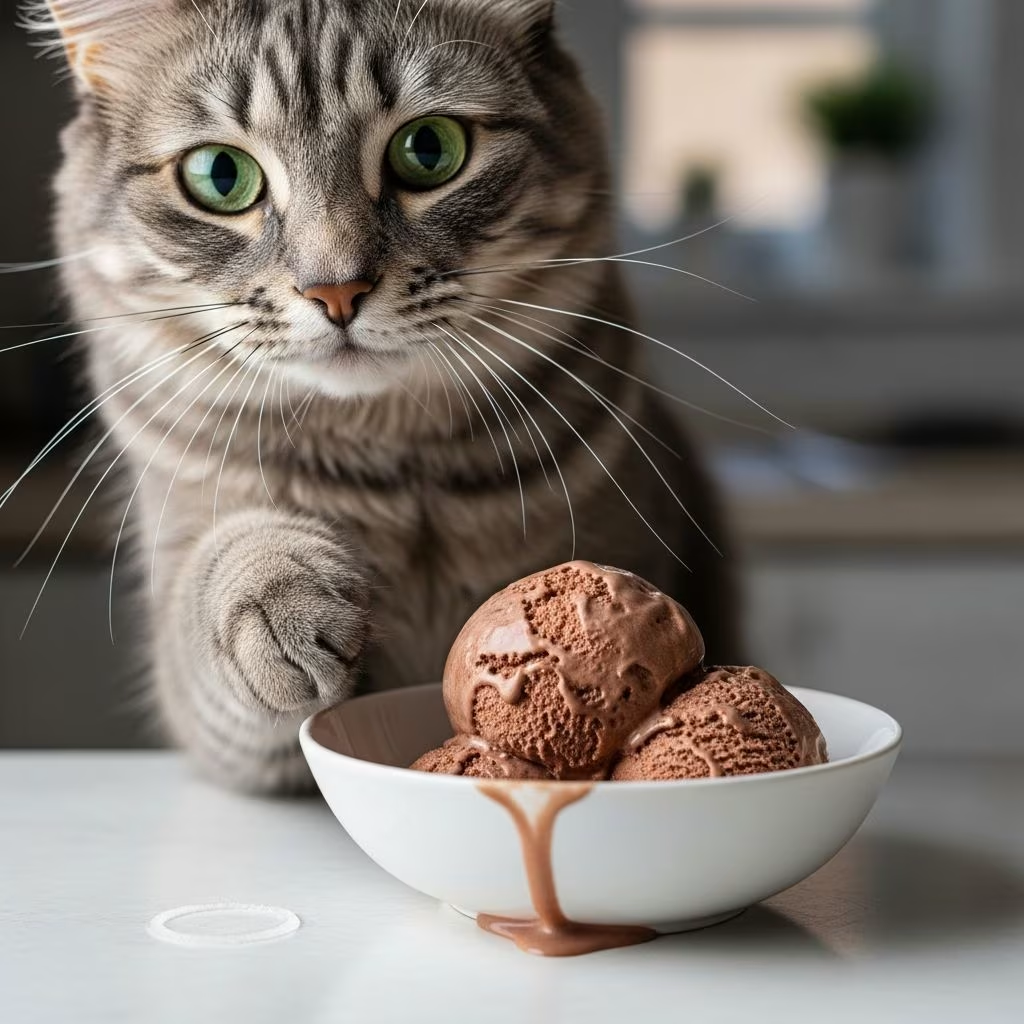
The simple answer is no, cats should not eat chocolate ice cream. While a small lick is unlikely to be fatal, it can cause digestive upset, toxicity risks, and long-term health issues due to harmful ingredients like theobromine, lactose, and excessive sugar.
Cats Should Not Eat Chocolate Ice Cream
Chocolate ice cream may appeal to cats because of its creamy texture and sweet aroma, but it offers no nutritional benefits for felines. Cats are obligate carnivores requiring a high-protein, low-carbohydrate diet. Chocolate ice cream is loaded with sugars and fats but lacks essential proteins, making it an unsuitable treat.
Offering human foods like this can disrupt a cat’s balanced diet, leading to obesity, diabetes, or nutritional deficiencies over time. Even if your cat begs for a taste, resisting the temptation protects their health. Veterinary experts emphasize that treats should comprise no more than 10% of a cat’s daily calories, and ice cream doesn’t qualify as a healthy option.
The Ingredients of Chocolate Ice Cream and Their Effect on Cats
Chocolate ice cream contains several ingredients toxic or indigestible to cats. Breaking them down reveals why this treat is off-limits:
1. Milk
Milk forms the base of most chocolate ice cream. The image of a kitten lapping milk is iconic, but adult cats are often lactose intolerant. Kittens produce lactase to digest lactose in mother’s milk, but this enzyme diminishes after weaning, leaving most adults unable to break down dairy sugars.
Consuming milk leads to fermentation in the gut, causing gas, bloating, diarrhea, and vomiting. Healthy cats on balanced diets get sufficient hydration from water and wet food, so milk is unnecessary and risky.
2. Cream, Melted Chocolate, and Cocoa Powder
Cream adds richness with high fat content that attracts cats, but it’s calorie-dense without nutrition and contains lactose, exacerbating digestive issues. While not toxic, overconsumption contributes to weight gain and pancreatitis.
Melted chocolate and cocoa powder are the real dangers, containing **theobromine** and caffeine—methylxanthines cats metabolize slowly. These stimulants affect the central nervous system, heart, and kidneys. Toxicity severity depends on chocolate type (dark has more theobromine) and amount ingested.
Symptoms of chocolate toxicity include:
- Diarrhea
- Vomiting
- Lack of appetite
- Increased thirst and urination
- Restlessness and panting
- Increased heart rate
- Rapid breathing
- Muscle tremors or shaking
- Seizures
- Coma in severe cases
Even diluted amounts in ice cream pose risks if consumed in quantity, especially with dark chocolate varieties.
3. Sugar and Other Additives
High sugar content causes rapid blood sugar spikes, risky for cats prone to diabetes. Artificial sweeteners like xylitol (sometimes in low-sugar ice creams) are highly toxic, causing hypoglycemia and liver failure. Sodium levels can lead to salt poisoning, with symptoms like lethargy and seizures.
Fats and cholesterol overload risks heart disease, pancreatitis, and obesity. Cats process carbohydrates poorly, leading to stomach upset or IBS-like symptoms.
Why Is Chocolate Ice Cream Bad for Cats?
Beyond individual ingredients, chocolate ice cream combines multiple hazards: lactose-induced GI distress, sugar-related metabolic issues, and potential theobromine poisoning. Small amounts may cause mild vomiting or diarrhea, but larger ingestions risk severe toxicity.
Long-term effects include weight gain, dental issues from sugar, and repeated exposure heightening toxicity risks. Brain freeze from cold treats causes pain and tooth sensitivity, as noted by welfare groups like Cats Protection. It’s unnecessary when cats thrive on meat-based foods.
| Ingredient | Risk to Cats | Symptoms |
|---|---|---|
| Milk/Lactose | Intolerance | Diarrhea, vomiting, gas |
| Theobromine/Caffeine | Toxicity | Tremors, seizures, heart issues |
| Sugar | Metabolic | Obesity, diabetes |
| Fat | Overload | Pancreatitis, weight gain |
What Should I Do If My Cat Eats Chocolate Ice Cream?
If your cat sneaks a lick or two, monitor for symptoms but panic isn’t usually warranted—theobromine levels are low in ice cream. However, for larger amounts (e.g., a bowlful) or dark chocolate varieties, contact your vet immediately.
Provide details: ice cream brand/ingredients, amount eaten, cat’s weight, and symptoms. Do not induce vomiting unless instructed. Vets may recommend activated charcoal, IV fluids, or monitoring for heart arrhythmias.
- Prevent access: Store treats securely.
- Watch for 24-48 hours: Mild cases resolve; severe need care.
- All ice cream flavors risk lactose issues—avoid entirely.
Cat-Safe Ice Cream Alternatives
For cooling treats on hot days, opt for vet-approved options:
- Frozen tuna water or broth: Dilute low-sodium tuna juice or chicken broth, freeze in portions. Hydrating and flavorful.
- Commercial cat ice cream: Lactose-free formulas like frozen meat purees (e.g., brands with sardine or chicken bases).
- DIY meat pops: Blend boiled chicken or fish with water, freeze in ice cube trays. Low-calorie, protein-rich.
- Yogurt (plain, low-lactose): Small amounts for tolerant cats, but test first.
- Frozen veggies: Steamed green beans or pumpkin for fiber (sparingly).
These provide hydration and appeal without risks. Always introduce new treats gradually.
Frequently Asked Questions (FAQs)
Can a small lick of chocolate ice cream hurt my cat?
A tiny lick is unlikely to cause serious harm due to dilution, but it may upset the stomach. Avoid encouraging it.
Is all ice cream bad for cats?
Yes, due to dairy and sugar. Even non-chocolate flavors risk lactose intolerance and obesity.
What are signs of chocolate toxicity in cats?
Vomiting, diarrhea, rapid heart rate, tremors, seizures. Seek vet care promptly.
Are kittens more tolerant of milk in ice cream?
Kittens tolerate lactose better but still risk upset. Stick to kitten formula.
How much chocolate is toxic to cats?
Varies by cat size and chocolate type; even small amounts in concentrated forms are risky. Ice cream is lower risk but not safe.
Final Thoughts
Chocolate ice cream is tempting but dangerous for cats due to toxicity, lactose, and poor nutrition. Prioritize their carnivorous needs with safe alternatives to keep them healthy and happy. Consult your vet for personalized advice on treats and diet.
References
- Can Cats Eat Chocolate Ice Cream? Vet-Reviewed Risks & Safe… — Catster. 2023. https://www.catster.com/nutrition/can-cats-eat-chocolate-ice-cream/
- Cats eating ice cream—they like it, but is it safe? — Untamed Cat Food. 2023. https://untamed.com/blogs/nutrition/cats-eating-ice-cream
- Can Cats Eat Chocolate? — Oakland Veterinary Referral Services. 2023. https://www.ovrs.com/blog/can-cats-eat-chocolate/
- Can Cats Eat Chocolate? Understanding the Risks and Dangers — VetRadar. 2023. https://www.vetradar.com/blog/can-cats-eat-chocolate-understanding-the-risks-and-dangers
- Can Cats Eat Chocolate? Here’s Everything You Should Know — The Pioneer Woman. 2024-10-28. https://www.thepioneerwoman.com/home-lifestyle/pets/a67970365/can-cats-eat-chocolate/
- Can Cats Eat Chocolate? What To Do if Your Cat Eats Chocolate — PetMD. 2023. https://www.petmd.com/cat/poisoning/can-cats-eat-chocolate



