

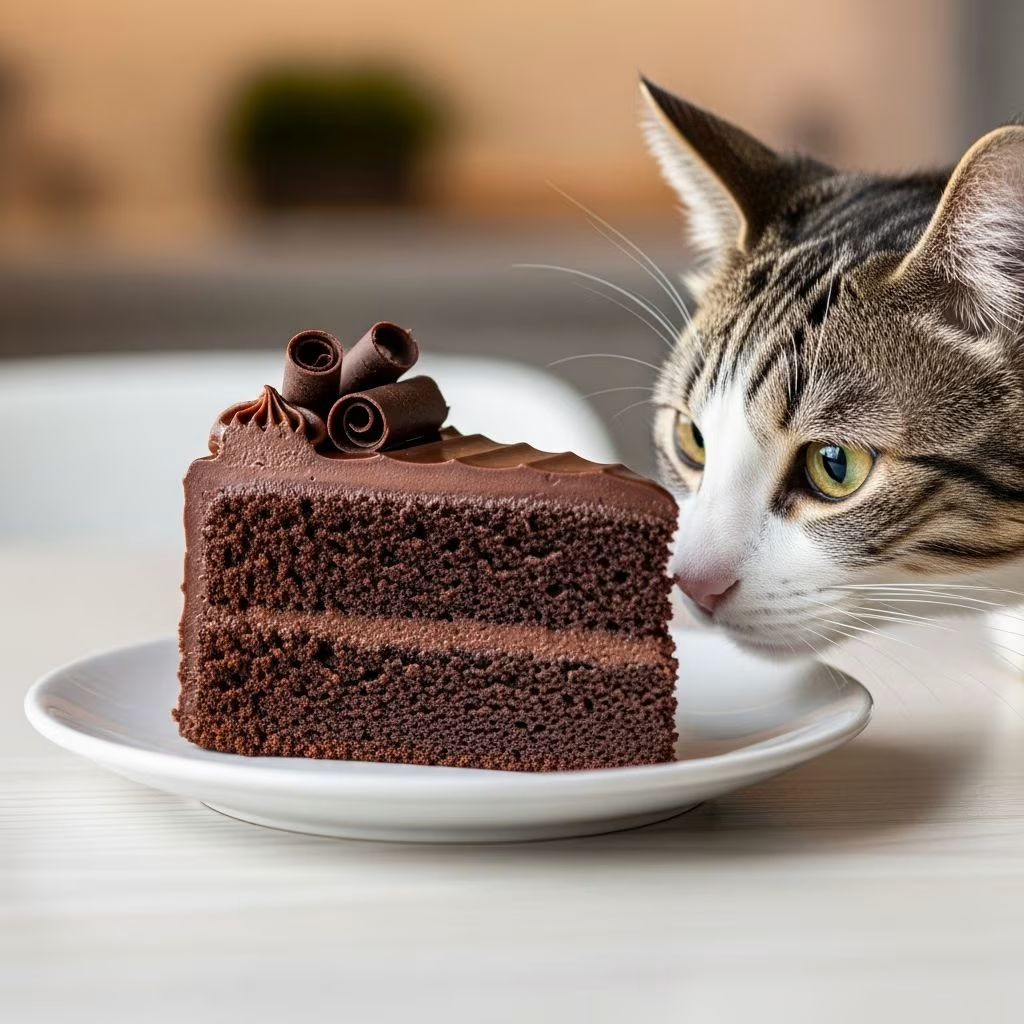
Chocolate cake is a beloved treat for humans, but it poses serious dangers to cats. The primary culprits are theobromine and caffeine, methylxanthine compounds found in chocolate that cats cannot metabolize effectively, leading to potential poisoning even in small amounts. This article explores why chocolate cake is off-limits, symptoms to watch for, prevention strategies, and emergency steps if your cat consumes it.
Why Is Chocolate Toxic to Cats?
Chocolate contains **theobromine** and **caffeine**, substances harmless to humans but highly toxic to felines. Cats lack the enzymes to break down these methylxanthines, causing them to accumulate in the body and trigger severe health issues. Darker chocolates, like those in many cakes, have higher concentrations, amplifying the risk.
Beyond toxicity, chocolate cake often includes high levels of sugar and fat, which can cause digestive upset, pancreatitis, obesity, diabetes, and dental problems in cats. Ingredients like xylitol in some store-bought cakes add further dangers, though less common in cats than dogs.
Symptoms of Chocolate Poisoning in Cats
Symptoms typically appear within 6-12 hours of ingestion, varying by chocolate amount, type, and cat size. Early detection is crucial as effects can escalate rapidly.
- Vomiting and diarrhea
- Increased thirst and urination
- Restlessness or hyperactivity
- Rapid breathing and elevated heart rate
- Muscle tremors and rigidity
- Seizures, weakness, or collapse
- In severe cases: coma or death
Smaller cats or those with health issues face higher risks. Even mild symptoms warrant immediate veterinary attention.
How Much Chocolate Is Dangerous for Cats?
Toxicity thresholds depend on the cat’s weight and chocolate type. Baking chocolate is most potent, followed by dark, milk, and white (least but still risky due to fat/sugar).
| Chocolate Type | Theobromine (mg/oz) | Toxicity Risk for 10-lb Cat |
|---|---|---|
| Milk Chocolate | 44-64 | High (1-2 oz potentially toxic) |
| Dark Chocolate | 150-450 | Very High (<1 oz dangerous) |
| Baking Chocolate | 390-450 | Extreme (tiny amounts lethal) |
| White Chocolate | <1 | Low toxicity but high fat/sugar risk |
These estimates highlight why any exposure, especially from cake with concentrated frosting or fillings, is unsafe.
Why Chocolate Cake Specifically Is Risky
Chocolate cake combines chocolate’s toxins with excessive fats, sugars, and potential additives. Sara Lee or similar brands may include artificial sweeteners or preservatives exacerbating issues like gastrointestinal distress or long-term obesity. Cats, obligate carnivores, derive no nutritional benefit and face compounded risks from crumbs or frosting.
How Cats Access Chocolate Cake
Curious cats may investigate unattended slices on counters, raid trash for wrappers, or sneak from bags/purses. Though less sweet-toothed than dogs, the aroma or texture can entice them. Prevention involves secure storage and sealed bins.
What to Do If Your Cat Eats Chocolate Cake
Act fast: remove access, note the amount/type ingested, and contact a vet or poison hotline immediately—do not wait for symptoms. Treatments may include:
- Inducing vomiting (vet-only)
- Activated charcoal to absorb toxins
- IV fluids for hydration
- Medications for heart rate, seizures
- Monitoring in severe cases
Prognosis improves with prompt intervention.
Prevention Tips: Keeping Chocolate Away from Cats
Proactive measures safeguard your pet:
- Store cakes in high, closed cabinets
- Clear counters during prep/eating
- Use pet-proof trash cans
- Educate household members
- Offer cat-safe treats instead
Vigilance prevents accidents, ensuring a chocolate-free home.
Safe Alternatives: Cat-Friendly Treats
Skip human desserts; opt for commercial cat treats, plain cooked meat (chicken, turkey), or catnip toys. Avoid anything with chocolate flavoring, onions, garlic, or dairy. Consult vets for diet-specific advice to maintain health without risks.
Related Foods Cats Should Avoid
Besides cake, steer clear of:
- Chocolate in any form (candy, ice cream, Nutella, Oreos)
- Xylitol-sweetened items
- High-fat/sugary baked goods
These mimic cake dangers, prioritizing feline nutrition.
Frequently Asked Questions (FAQs)
Q: Can cats eat any type of chocolate?
A: No, all chocolate—milk, dark, white, or baking—is toxic due to theobromine and caffeine.
Q: Is white chocolate safe for cats?
A: No, though lower in theobromine, its high fat and sugar can cause pancreatitis or obesity.
Q: What if my cat ate a small amount of chocolate cake?
A: Call your vet immediately; even small amounts can poison based on cat size and chocolate type.
Q: How long do chocolate poisoning symptoms take to appear in cats?
A: Usually 6-12 hours, but varies; seek help without delay.
Q: Can other pets eat chocolate cake?
A: No, it’s toxic to dogs too; keep away from all pets.
Q: Why can’t cats metabolize chocolate like humans?
A: Cats lack necessary liver enzymes, leading to toxin buildup.
Conclusion
Chocolate cake delights humans but endangers cats through toxicity and poor nutrition. Awareness of risks, symptoms, and actions empowers pet parents to protect their felines. Always choose vet-approved treats for a happy, healthy cat.
References
- Can Cats Eat Sara Lee Chocolate Cake? Chocolate Dangers — Dialavet. 2023. https://www.dialavet.com/blog/can-cats-eat-sara-lee-chocolate-cake
- Get the facts—can cats eat cake? — Untamed Cat Food. 2023. https://untamed.com/blogs/nutrition/can-cats-eat-cake
- What To Know about Chocolate Poisoning in Cats — Emergency Veterinary Care Centers. 2023. https://evcc.com/blog/can-cats-eat-chocolate/
- Can cats eat chocolate? Understand the risks — Dreamies UK. 2023. https://www.dreamiestreats.co.uk/did-you-know/can-cats-eat-chocolate
- Can Cats Eat Chocolate? A Guide to Safety — Purina US. 2023. https://www.purina.com/articles/cat/feeding/can-cats-eat/chocolate



