

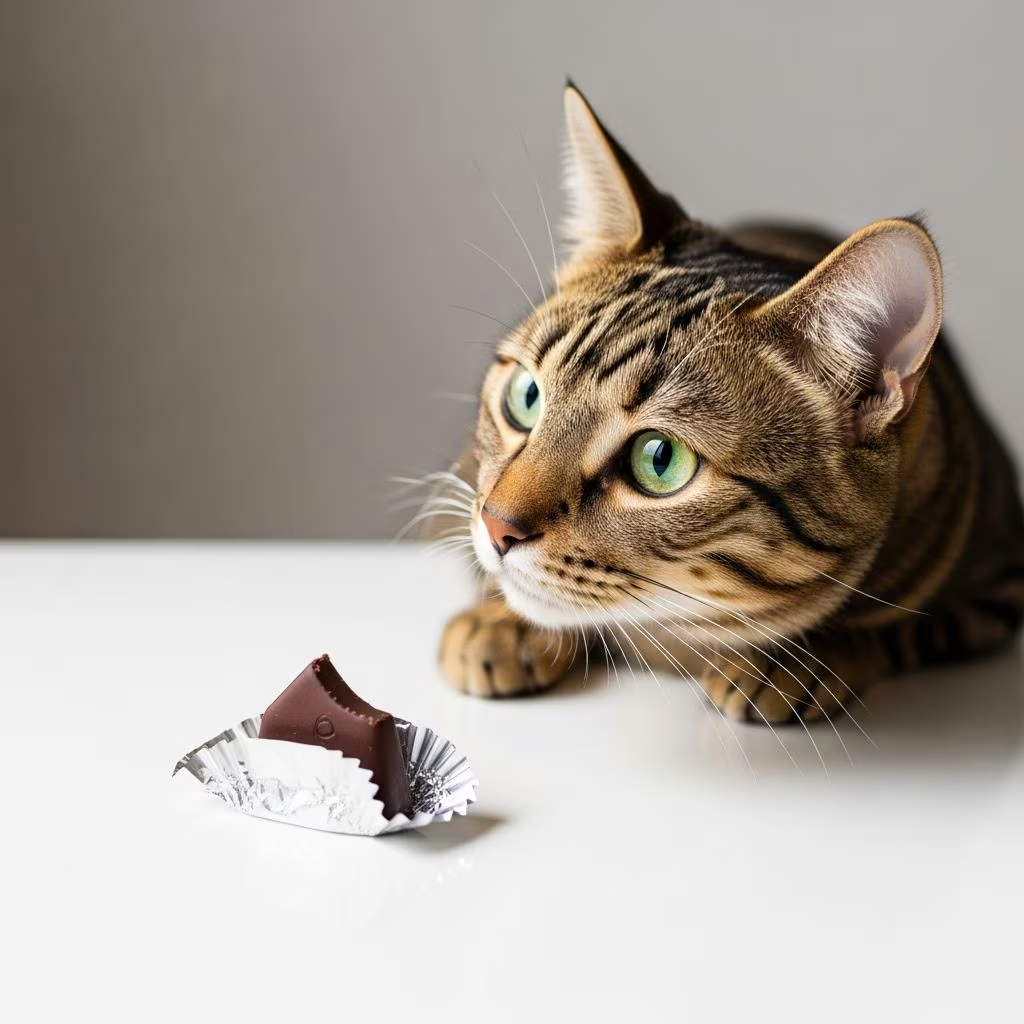
Chocolate is a beloved treat for humans, but it poses a serious health risk to cats. The primary culprits are **theobromine** and **caffeine**, two methylxanthines that cats’ livers cannot efficiently metabolize, leading to toxic buildup in their system. Even small amounts can trigger vomiting, diarrhea, rapid heart rate, seizures, or worse, making chocolate strictly off-limits for felines.
Cats are obligate carnivores with unique metabolisms, unlike humans who process these compounds quickly. For cats, theobromine lingers in the bloodstream, stimulating the central nervous system, heart, and kidneys excessively. While dogs are more notorious for chocolate poisoning, cats face identical dangers, though they may eat less due to their aversion to sweet tastes.
Why Is Chocolate Toxic to Cats?
The toxicity stems from **theobromine**, present in all chocolate derived from cocoa beans, and **caffeine**, found in smaller quantities. Cats lack sufficient hepatic enzymes to break these down, causing accumulation that overstimulates their cardiovascular and nervous systems. According to veterinary experts like Dr. Veronica Villanueva, these stimulants lead to harmful reactions, including heart arrhythmias and neurological distress.
Theobromine acts as a diuretic, increasing fluid loss, and a cardiac stimulant, elevating heart rate—both potentially fatal in cats. Humans would need massive quantities (e.g., 35 kg of milk chocolate) for lethality, but cats succumb to just grams due to poor processing. This metabolic difference underscores why what’s harmless for us is poison for pets.
How Much Chocolate Is Toxic to Cats?
There is **no safe amount** of chocolate for cats; toxicity varies by type, quantity ingested, cat’s size, age, and health. Smaller cats or those with pre-existing conditions face higher risks from even trace amounts. Veterinary guidelines emphasize treating any ingestion as an emergency, regardless of quantity.
Theobromine levels determine severity: mild signs at low doses, severe at high. Exact thresholds aren’t fixed due to individual factors, but cocoa powder or dark chocolate poses immediate threats.
Chocolate Toxicity Levels by Type
Different chocolates vary in theobromine concentration, with darker varieties being most dangerous. Here’s a breakdown:
| Type of Chocolate | Theobromine Level | Risk to Cats |
|---|---|---|
| Cocoa Powder | Highest (up to 26 mg/g) | Extremely high; avoid entirely |
| Baking Chocolate | Very high (8-10 mg/g) | Highly toxic; small amounts fatal |
| Dark Chocolate | High (5-15 mg/g) | Very dangerous; rapid symptoms |
| Milk Chocolate | Moderate (1.5-2 mg/g) | Still harmful; GI upset common |
| White Chocolate | Lowest (<0.5 mg/g) | Low theobromine but high fat/sugar causes pancreatitis, obesity |
Data synthesized from veterinary sources; darker = more cocoa = higher toxicity.
Symptoms of Chocolate Poisoning in Cats
Symptoms appear within 1-2 hours for caffeine, longer for theobromine, escalating with dose. Early signs are gastrointestinal; severe cases involve cardiac and neurological issues.
- Mild:** Vomiting, diarrhea, hyperactivity, agitation, increased thirst/urination
- Moderate:** Rapid breathing, elevated heart rate, abnormal rhythms, panting, restlessness
- Severe:** Tremors, muscle rigidity, seizures, weakness, low blood pressure, hyperthermia, coma
Dr. Joanna Herberger notes lower doses cause vomiting and rapid breathing, while extremes trigger seizures. Monitor closely; untreated poisoning can lead to organ failure or death.
What to Do If Your Cat Eats Chocolate
Act immediately—**do not wait for symptoms**. Contact your veterinarian, an emergency clinic, or Pet Poison Helpline (888-426-4435) with details: chocolate type, amount, cat’s weight, and time ingested.
Treatment may include inducing vomiting (only under vet guidance), activated charcoal to bind toxins, IV fluids for hydration, anti-nausea meds, and monitoring heart/neurological function. Prognosis is good with prompt care; delays increase fatality risk. Prevent access by storing chocolate securely.
Can Chocolate Kill Cats?
Yes, chocolate can be fatal, especially dark/baking types in sufficient quantities. Lethal doses cause cardiac arrest, seizures, or respiratory failure. While cats eat less chocolate than dogs, even small amounts (a few grams) can kill, per Cats Protection. Factors like kitten size amplify risks.
Why Don’t Cats Like Chocolate Anyway?
Cats have only about 470 taste buds (vs. humans’ 9,000) and lack sweet receptors, making chocolate unappealing. Their carnivorous diet prioritizes meaty flavors, reducing accidental ingestion—but curiosity or wrappers can still tempt them.
Safe Alternatives and Prevention Tips
Never offer chocolate substitutes; opt for cat-safe treats like freeze-dried meat or commercial feline treats. Prevention:
- Store all chocolate (candy, baked goods, powder) out of reach.
- Educate household members, especially kids.
- Avoid holiday hazards like Easter eggs or Halloween candy.
- Use pet-proof cabinets and counter sweeps.
Fostering a chocolate-free environment protects your cat long-term.
Frequently Asked Questions (FAQs)
Can cats eat any type of chocolate safely?
No, all chocolate is unsafe due to theobromine and caffeine. White chocolate’s lower levels still risk digestive issues from fat and sugar.
How quickly do symptoms appear after a cat eats chocolate?
Caffeine effects in 1 hour; theobromine up to 12 hours. Severity dictates speed.
Is milk chocolate less dangerous for cats?
Less toxic than dark but still harmful—no safe threshold exists.
What should I do if my cat licks chocolate?
Call your vet immediately, even for tiny amounts. Provide details for assessment.
Can small amounts of chocolate hurt kittens more?
Yes, kittens’ smaller size heightens toxicity risks.
References
- No, Cats Cannot Eat Chocolate. Here’s Why. — GoodRx. 2023. https://www.goodrx.com/pet-health/cat/can-cats-eat-chocolate
- Is chocolate poisonous to cats? — Cats Protection. 2023. https://www.cats.org.uk/cats-blog/why-is-chocolate-poisonous-for-cats
- Can Cats Eat Chocolate? Here’s What You Should Know — Chimacum Veterinary Hospital. 2023. https://chimacumvet.com/blog/can-cats-eat-chocolate/
- Can Cats Eat Chocolate? — Chewy. 2023. https://www.chewy.com/education/cat/food-and-nutrition/can-cats-eat-chocolate
- Can Cats Eat Chocolate? What To Do if Your Cat Eats Chocolate — PetMD. 2023. https://www.petmd.com/cat/poisoning/can-cats-eat-chocolate
- Is Chocolate Dangerous For Cats? — Brookhaven Animal Hospital. 2022-06-15. https://www.brookhavenanimalhosp.com/site/blog/2022/06/15/is-chocolate-dangerous-for-cats
- Can Cats Eat Chocolate? A Guide to Safety — Purina. 2023. https://www.purina.com/articles/cat/feeding/can-cats-eat/chocolate



