

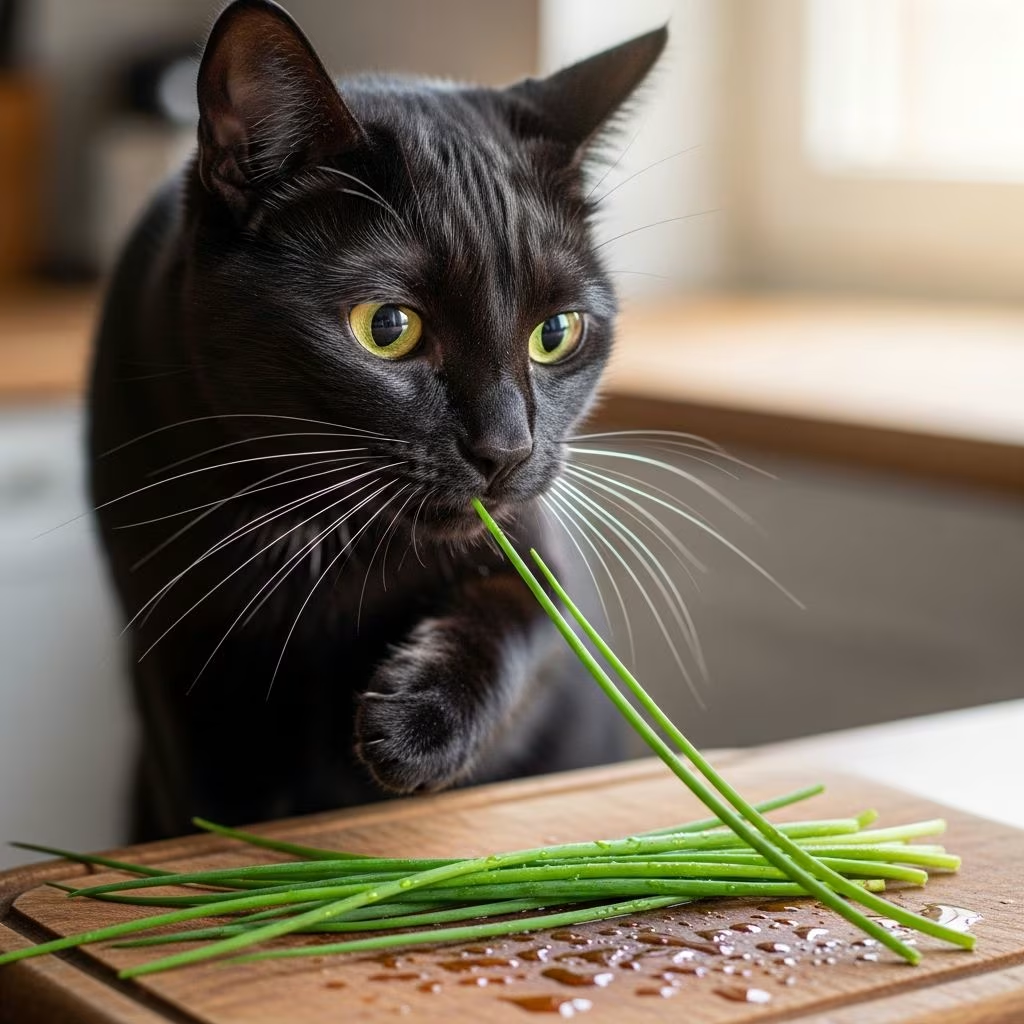
Chives are a popular kitchen herb used in salads, soups, and garnishes, but they pose a serious danger to cats. Belonging to the toxic **Allium family**—along with onions, garlic, leeks, and shallots—chives contain compounds that damage red blood cells, leading to hemolytic anemia and other life-threatening issues. Even small amounts can harm cats due to their small size and inability to metabolize these toxins effectively.
Can Cats Eat Chives?
The short answer is **no, cats cannot safely eat chives** in any form—raw, cooked, dried, powdered, or as part of human food. Chives (Allium schoenoprasum) release organosulfoxides and thiosulfates when chewed or digested, which oxidize hemoglobin in red blood cells. Cats lack sufficient glucose-6-phosphate dehydrogenase enzyme to counteract this damage, making them highly susceptible.
While humans can tolerate Allium plants in moderation, a cat’s portion size relative to body weight means just a few grams (e.g., a sprinkle on food or a countertop scrap) can trigger toxicity. Veterinary sources report that toxicity thresholds are as low as 0.5% of body weight for related Alliums like onions, with chives following similar patterns.
Symptoms may appear within hours but peak 2-5 days later, emphasizing the need for immediate action even without visible signs. Kittens, seniors, and cats with pre-existing conditions face heightened risks.
What Are Chives?
Chives are perennial herbs from the lily family (Amaryllidaceae), grown worldwide for their mild onion-like flavor. The green tubular leaves are harvested fresh, while flowers add color to dishes. Common in cuisines from French to Asian, chives enhance potatoes, eggs, and creams without overpowering.
Nutritionally, chives offer vitamins A, C, K, and antioxidants for humans, plus folate and choline. However, these benefits do not translate to cats, who are obligate carnivores requiring taurine-rich meat-based diets. Plant compounds like allyl sulfides in chives provide zero nutritional value and instead cause harm.
Why Are Chives Toxic to Cats?
Chives’ toxicity stems from **N-propyl disulfide** and other sulfoxides that bind to red blood cell membranes, causing **Heinz body hemolytic anemia**. This ruptures cells, reducing oxygen-carrying capacity and straining the liver/kidneys as they filter debris.
- Oxidative Damage: Toxins generate free radicals, destroying up to 30-70% of red blood cells in severe cases.
- Gastrointestinal Irritation: Initial upset from insoluble fibers and irritants disrupts gut flora.
- Metabolic Vulnerability: Cats’ limited liver enzymes (e.g., low glucuronyl transferase) prolong toxin exposure compared to dogs or humans.
- Dose-Dependent Severity: 5g/kg fresh weight can cause clinical signs; repeated low doses accumulate damage.
All Allium forms are hazardous: powders concentrate toxins (e.g., in spice blends), and cooked versions retain sulfoxides. Baby food with onion/chive powder has hospitalized cats.
Symptoms of Chive Poisoning in Cats
Chive toxicity unfolds in phases. Early GI signs mimic food intolerance, masking hemolytic crisis.
| Phase | Symptoms | Onset |
|---|---|---|
| Early (Hours) | Vomiting, diarrhea, drooling, abdominal pain, loss of appetite | 1-6 hours |
| Secondary (1-3 Days) | Lethargy, weakness, pale/yellow gums, rapid breathing, dark urine | 12-72 hours |
| Severe (3-5 Days) | Collapse, tachycardia, icterus (jaundice), hemoglobinuria | Peak hemolysis |
Monitor gums (should be pink, not white/yellow) and urine color. Bloodwork reveals elevated bilirubin, methemoglobin, and Heinz bodies under microscopy.
Benefits of Chives to Cats
There are **no proven benefits** to feeding chives to cats. As strict carnivores, cats derive nutrients from prey: 50%+ protein, arachidonic acid, and preformed vitamin A—not plant phytonutrients.
- Chives lack taurine, essential for feline heart/eye health.
- Antioxidants are irrelevant; meat provides superior bioavailable forms.
- Flavor appeal is absent—cats have fewer taste buds for sweets/herbs.
Vet consensus: Stick to AAFCO-approved cat food. Herbs risk toxicity without gains.
What To Do If Your Cat Eats Chives
- Assess Exposure: Note amount/form ingested and time elapsed. Even “a lick” warrants caution.
- Prevent Further Intake: Remove access; induce vomiting only if vet-approved (within 2 hours, using 3% hydrogen peroxide at 1ml/lb).
- Contact Vet/Poison Control: Call ASPCA Animal Poison Control (888-426-4435) or Pet Poison Helpline (855-764-7661). Provide details for triage.
- Seek Emergency Care: IV fluids, antiemetics, blood transfusions if PCV <20%. Monitor 3-7 days.
Do not use home remedies like milk/charcoal without guidance—they may worsen outcomes.
Treatment for Chive Poisoning
Veterinary intervention is critical; supportive care improves 90%+ survival with early treatment.
- Decontamination: Activated charcoal, gastric lavage.
- Fluid Therapy: Corrects dehydration, supports kidneys (e.g., lactated Ringer’s at 2x maintenance).
- Antioxidants: N-acetylcysteine, S-adenosylmethionine protect liver/RBCs.
- Blood Support: Transfusions/dextran-70 for severe anemia; oxygen therapy.
- Monitoring: Serial CBC, chemistry panels, urinalysis for recovery (normochromic anemia resolves in 1-4 weeks).
Prognosis: Excellent if addressed pre-hemolysis; guarded if collapse occurs.
Avoiding Chive Poisoning
Proactive habits prevent 99% of cases:
- Store herbs in cat-proof cabinets; wipe counters post-cooking.
- Check labels: Avoid baby food, stocks, seasoning mixes with Alliums.
- Elevate plants; use virtual fencing apps for outdoor gardens.
- Educate household: No table scraps; designate “cat-free” zones.
- Opt for commercial treats; grow cat-safe greens like wheatgrass.
Conclusion
Chives, while harmless to humans, are **unequivocally toxic to cats** due to Allium compounds causing hemolytic anemia and GI distress. Vigilance in storage, swift vet response to exposure, and carnivore-appropriate nutrition safeguard your pet. Prioritize prevention—your cat’s health depends on it.
Frequently Asked Questions (FAQs)
Are chives toxic to cats?
Yes, chives are highly toxic, damaging red blood cells and causing anemia.
What if my cat ate chives?
Contact your vet or poison hotline immediately, even for small amounts.
Can cats eat cooked chives?
No, cooking does not neutralize toxins; all forms are dangerous.
Are there safe alternatives to chives for cats?
Yes: catnip, basil, parsley (small amounts), valerian.
How much chives is toxic to cats?
As little as 0.5g/kg body weight; varies by individual.
Can kittens eat chives?
No, kittens are more vulnerable due to size and immature systems.
References
- Onions, Garlic and Chives — VetMeds.org. 2023. https://vetmeds.org/pet-poison-control-list/onions-garlic-and-chives/
- Can Cats Eat Onions? — PetMD. 2024-05-15. https://www.petmd.com/cat/poisoning/can-cats-eat-onions
- Onions, garlic, chives, toxic for pets — Bloorcourt Veterinary Clinic. 2019-03-01. https://www.bloorcourtvetclinic.com/en-ca/resources/blog/march-2019/onions,-garlic,-chives,-toxic-for-pets
- Can Cats Eat Chives? Vet-Reviewed Facts & FAQ — Catster. 2024. https://www.catster.com/cat-health-care/can-cats-eat-chives/
- Can Cats Eat Chives? Vet-Verified Facts — Huston Veterinary Clinic. 2024. https://hustonveterinary.com/can-cats-eat-chives/
- Can Cats Eat Chives? Risks & Safety Guide — Zoorithm. 2024. https://www.zoorithm.com/cats/can-cat-eat-chive
- Can Cats Eat Chives? Potential Risks Explained — Dial A Vet. 2024. https://www.dialavet.com/blog/can-cats-eat-chives



