

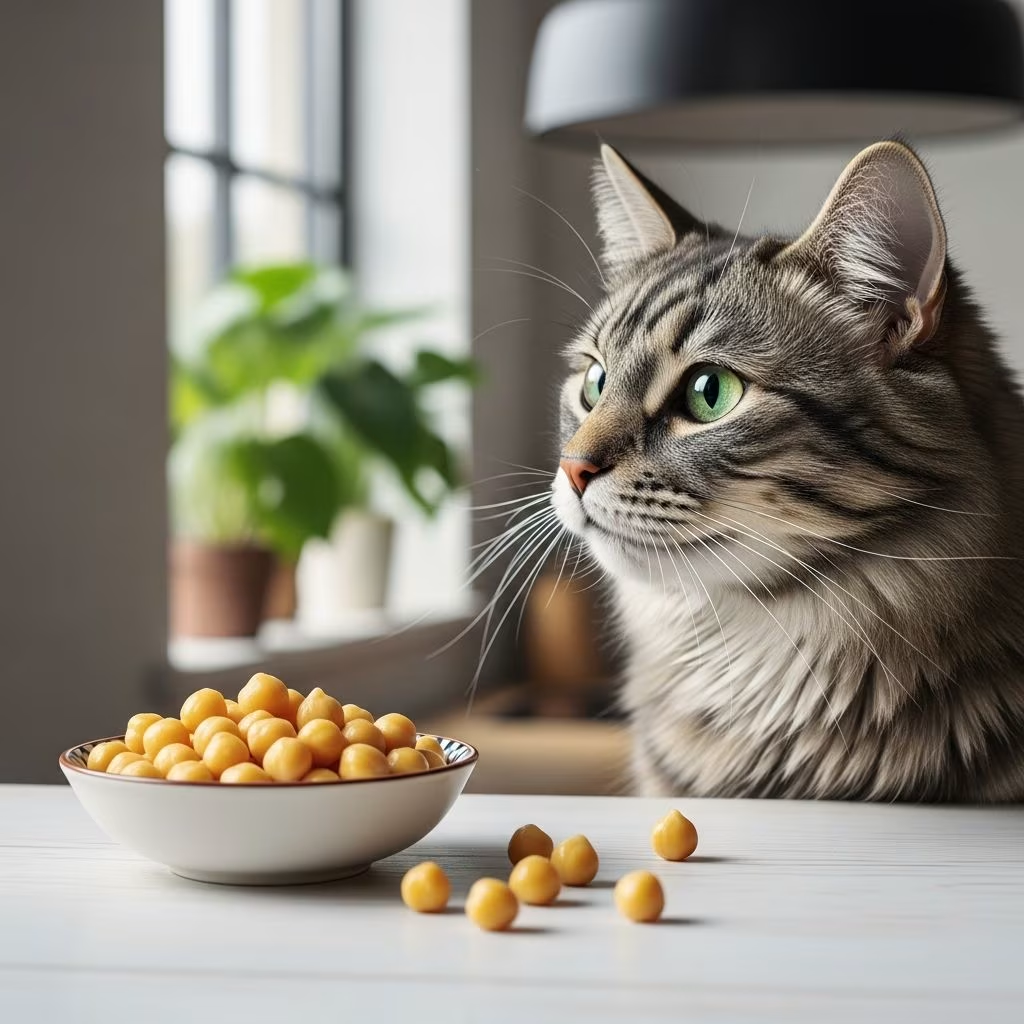
Chickpeas, also known as garbanzo beans, are a popular legume for humans, prized for their high protein content and versatility in dishes like hummus. But can cats eat chickpeas? While cats may nibble on them without immediate harm, they are not recommended as a regular part of a feline diet due to digestion difficulties and incomplete nutrition.
Cats are obligate carnivores, meaning their bodies are evolved to derive nutrients primarily from animal sources. Plant-based foods like chickpeas offer limited benefits and can cause gastrointestinal upset. This comprehensive guide covers the nutritional profile of chickpeas, potential risks, safer alternatives, and ideal cat diet principles, all backed by veterinary insights.
Are Chickpeas Good for Cats?
Chickpeas contain protein, fiber, potassium, magnesium, and folate, which sound appealing on paper. However, these nutrients are not optimally suited for cats. The protein in chickpeas is plant-based and incomplete, lacking essential amino acids like taurine that cats must obtain from meat.
Unlike humans, cats have short digestive tracts designed for meat digestion. The high fiber and complex carbohydrates in chickpeas make them tough to break down, potentially leading to bloating, gas, or worse. A study on raw garbanzo beans in feline diets found high digestibility up to 30% inclusion, but this was in controlled formulations, not casual treats, and raw forms contain anti-nutritional factors that reduce nutrient absorption.
Commercial cat foods sometimes include chickpeas to boost protein levels affordably, but experts caution against legume-heavy grain-free diets due to links with heart conditions like dilated cardiomyopathy (DCM) from potential taurine deficiencies. Overall, the mineral levels in chickpeas aren’t significant enough to justify the risks for cats.
Should You Feed Chickpeas to Your Cat?
No, you should not regularly feed chickpeas to your cat. While small, properly cooked amounts might not cause immediate toxicity, they offer no unique benefits over meat-based treats. Cats need 100% of their protein from complete sources; vegetable proteins fall short.
If your cat sneaks a chickpea from your plate, monitor for signs of distress like vomiting or diarrhea. Always ensure chickpeas are plain, soft-cooked, and free of seasonings like garlic or onions, which are toxic to cats. Veterinary consensus leans toward avoidance: chickpeas are better left to human meals.
For occasional treats, limit to tiny portions—perhaps a mashed chickpea the size of a pea for an average adult cat—but prioritize species-appropriate options. Consult your vet for personalized advice, especially if your cat has digestive sensitivities.
Can Chickpeas Cause Diarrhea or Other Issues in Cats?
Yes, chickpeas can cause digestive upset in cats due to their high fiber content and indigestible starches. Symptoms include diarrhea, constipation, gas, vomiting, and abdominal pain. Cats’ sensitive guts react poorly to sudden fiber increases, leading to loose stools or fecal inconsistencies.
In one veterinary overview, fiber from chickpeas was flagged as a common trigger for diarrhea, recommending diet switches to lower-fiber foods if issues arise. Raw or undercooked chickpeas exacerbate problems with anti-nutritional factors like lectins and phytates, which bind minerals and hinder absorption. Kittens, seniors, or cats with pre-existing conditions face higher risks.
Table of Potential Chickpea-Related Symptoms:
| Symptom | Cause | Severity |
|---|---|---|
| Diarrhea | High fiber overload | Moderate |
| Gas/Bloating | Indigestible carbs | Low-Moderate |
| Vomiting | GI irritation | Moderate |
| Constipation | Undigested residue | Low |
Prevent issues by sticking to vet-approved treats and introducing new foods gradually.
How Many Chickpeas Are Safe for Cats?
There is no universally “safe” amount, but if offering chickpeas at all, keep it minimal: 1-2 small, cooked chickpeas (mashed) as an occasional treat for a 10-pound adult cat, no more than once a week. Adjust down for kittens or smaller cats—perhaps half a chickpea.
Vets emphasize moderation; excessive amounts risk nutritional imbalances or dependency, where cats prefer chickpeas over balanced food. Weight-based guidelines are approximate:
- Kittens (<5 lbs): Avoid or 1/4 mashed chickpea max, rarely.
- Adults (5-10 lbs): 1/2-1 chickpea, weekly.
- Large/Seniors (>10 lbs): 1-2 chickpeas, sparingly.
These are not endorsements—better alternatives exist.
Health Benefits of Chickpeas for Cats
Potential benefits are marginal. Chickpeas provide plant protein (about 19g per 100g cooked), fiber for mild digestion aid, and minerals like potassium (helps heart/muscle function) and folate (cell growth). Antioxidants may support immunity minimally.
However, cats derive negligible net gains since meat fulfills these needs better. A PMC study showed raw garbanzo beans maintained digestibility and fecal quality up to 30% in diets, suggesting viability in formulated foods, but not as treats. Fiber could aid hairball control in tiny doses, but safer veggies outperform chickpeas.
Pros vs. Cons Table:
| Pros | Cons |
|---|---|
| Protein boost | Incomplete amino acids |
| Fiber for fullness | Digestion difficulties |
| Minerals (K, Mg) | Low bioavailability for cats |
| Low calorie | Potential GI upset |
Alternatives to Chickpeas for Cats
Skip chickpeas entirely—opt for digestible, nutrient-dense treats that align with feline needs. These vet-recommended options provide fiber, vitamins, and hydration without risks.
- Carrots: Rich in vitamin K, B6, potassium, fiber, lutein, and zeaxanthin for eye health. Steam and mash for easy eating.
- Blueberries: High moisture (aids hydration, crucial for dry-food eaters), fiber, antioxidants. Limit to 1-2 berries daily.
- Squash: Excellent fiber source to reduce hairballs and GI issues. Peel, boil, and puree; low-calorie filler.
- Peas: Common in kibble for structure; provide fiber, vitamins, minerals. Use sparingly to avoid protein dilution.
- Spinach: Vitamins A, C, K, minerals; avoid in cats with kidney issues due to oxalates. Chop finely, small amounts.
Other ideas: plain cooked pumpkin (hairball remedy), cucumber slices (hydration), or commercial meat treats. Always plain, no seasonings.
Cat Diet Basics: What Cats Should Eat
As obligate carnivores, cats thrive on meat-heavy diets mimicking wild prey (rodents, birds). Key requirements:
- Protein: 30-40% from animal sources (chicken, fish, beef).
- Fat: 20-30% for energy.
- Taurine: Essential amino acid; deficiency risks heart disease.
- Moisture: Prefer wet food to prevent urinary issues.
Wild cats ingest minimal plant matter via prey stomachs, so veggies/fruits should be <10% of diet. Avoid grains/legumes as staples; grain-free legume diets may raise DCM risks. Balance with commercial AAFCO-approved foods or vet-formulated raw/home-cooked meals. PangoVet or similar online services offer tailored advice.
Frequently Asked Questions (FAQs)
Can cats eat chickpeas?
Cats can eat small amounts occasionally but shouldn’t; they’re hard to digest and nutritionally incomplete.
Are chickpeas toxic to cats?
No, not toxic, but cause GI upset; seasoned versions (e.g., hummus) may contain toxins like garlic.
Can chickpeas cause diarrhea in cats?
Yes, due to high fiber; monitor stools and consult vet if persistent.
How many chickpeas can a cat eat?
Minimal: 1-2 mashed for adults, rarely; better avoided.
What are better treats than chickpeas for cats?
Carrots, blueberries, squash, peas, spinach in moderation.
Why do some cat foods have chickpeas?
For cheap protein/filler, but watch for taurine/DCM risks in legume-heavy formulas.
For more on feline nutrition, consult a veterinarian. Healthy treats enhance bonding without compromising health.
References
- Can Cats Eat Chickpeas? Vet-Verified Nutrition Facts & Alternatives — Catster. 2023. https://www.catster.com/nutrition/can-cats-eat-chickpeas/
- Can cats eat chickpeas? – Modern Vet — ModernVet. 2023. https://modernvet.com/can-cats-eat-chickpeas/
- Effects of graded inclusion levels of raw garbanzo beans on feline diets — PMC/NCBI (Peer-reviewed). 2021-12-01. https://pmc.ncbi.nlm.nih.gov/articles/PMC8648292/
- Can I safely feed grain-free cat dry food — Cats.com. 2023. https://cats.com/community/nutrition/can-i-safely-feed-grain-free-dry-food-when-giving-her-both-wet-and-dry
- What foods cats can and cannot eat and quantities — VeggieAnimals. 2023. https://www.veggieanimals.com/gb/blog/post/What-foods-cats-can-and-cannot-eat-and-quantities.html
- Watch Out for This Breaking Food Fad That Can Pummel Your Pet’s Health — The Animal Keeper. 2023. https://theanimalkeeper.com/watch-out-for-this-breaking-food-fad-that-can-pummel-your-pets-health/



