

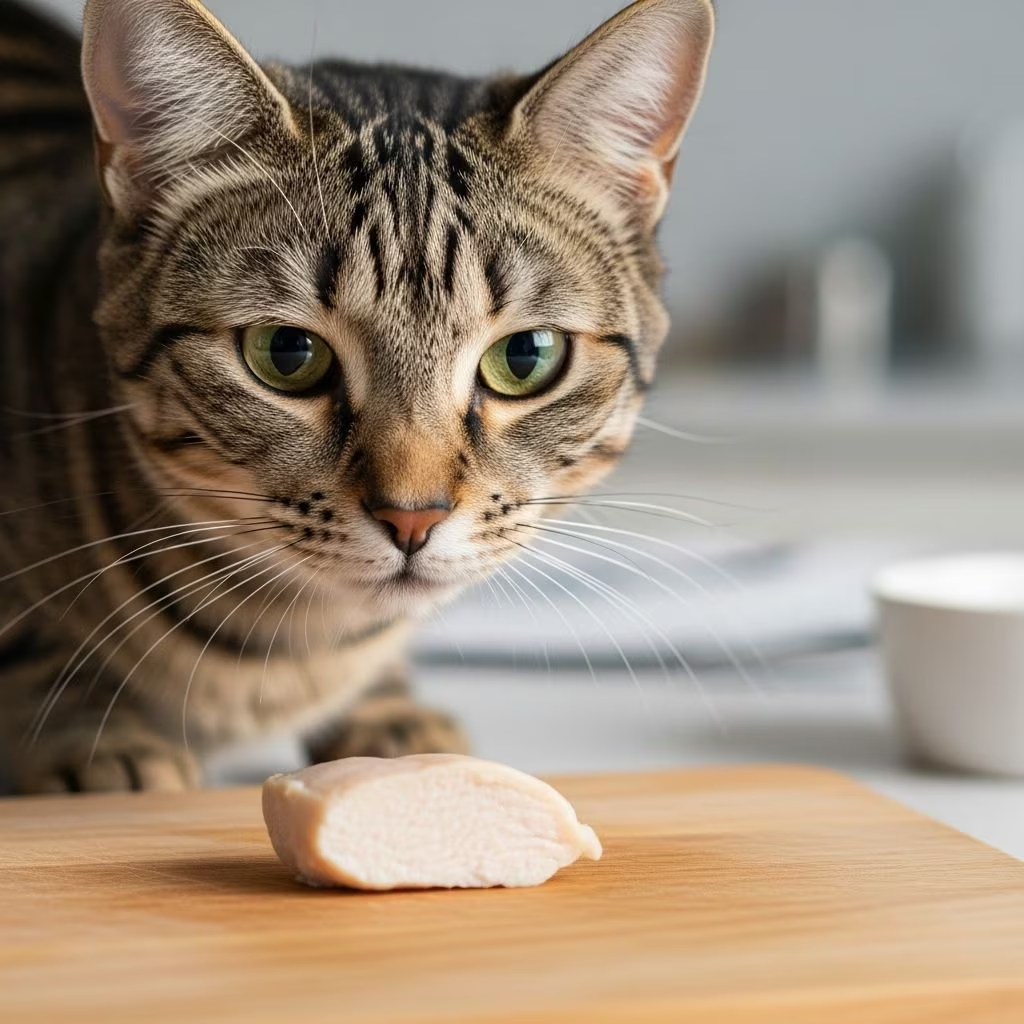
Can Cats Eat Chicken? Vet-Approved Facts & Safety Guide
The short and obvious answer is yes! Chicken is safe for your cat, but you should always check with a vet if you’re considering a change in your cat’s diet, and there are a few warnings to be aware of. Your cat probably loves chicken. Most cats usually do. It is found in a lot of cat food, both canned and dry, and in cat treats, but perhaps you’re wondering if it’s okay for you to slip your cat some chicken morsels from the roast chicken on your plate?
Why Cats Can Eat Chicken
Cats are obligate carnivores, meaning they are “true” carnivores who require the nutrients that can only be found in animal meat to exist. Chicken is low-calorie and high-protein and is the perfect meat for most cats. According to veterinary experts, “Cats are carnivores so animal protein is critical to their good health. Cat foods should be predominantly made up of animal products.”
The health benefits of chicken for cats are numerous and well-documented:
- Boosting the immune system
- Healthy teeth and bones as well as coat and skin
- Maintaining a healthy weight
- Building muscle mass
- Kidney, liver, and central nervous system health
These benefits make chicken an excellent dietary choice for feline companions. Chicken provides essential amino acids and nutrients vital for bodily functions, including vision, heart, and reproductive health.
How to Feed Your Cat Chicken: Best Practices
Proper preparation is crucial when offering chicken to your cat. Follow these important guidelines to ensure your cat’s safety and nutrition:
- Avoid raw bones as they are a choking hazard. Bones should absolutely NOT be offered if the chicken is cooked, as they can splinter and cause internal injury.
- Cut into small pieces: Since cats don’t chew their food like humans do, it’s best to cut the chicken into relatively small pieces or into a fine pâté-like consistency depending on your cat’s preference.
- Serve plain: Offer chicken on its own or as part of a meal for your cat, without any seasonings, oils, or sauces.
- Remove skin: Avoid giving your cat the skin, as it contains excess fat that could lead to pancreatitis.
- Proper storage: Uneaten cooked chicken should be discarded after a period of around 1 hour at most. Uneaten raw chicken should be discarded after a period of around 30 minutes at most.
Cooked Chicken: The Safest Option
Cooked, unseasoned chicken is the safest and most recommended way to feed chicken to your cat. The best method is to boil some plain chicken and give your cat a few small pieces to eat. Boiling chicken preserves nutrients while eliminating the risk of bacterial contamination.
When preparing cooked chicken for your cat:
- Boil the chicken in plain water without any seasonings
- Ensure the chicken is cooked thoroughly
- Remove all bones before serving
- Allow the chicken to cool before offering it to your cat
- Never add salt, spices, oils, butter, or sauces
Experts consistently recommend thoroughly cooked chicken as the ideal preparation method. According to PetMD, chicken in small amounts is fine, but shouldn’t be used as a steady meal replacement and should be as “naked” as possible, free of oils or seasonings.
Raw Chicken: Considerations and Safety Concerns
There are differing opinions on the safety of feeding your cat raw chicken. While cats in the wild may eat birds, raw chicken carries significant risks that must be carefully considered.
Potential Benefits of Raw Chicken
If properly prepared and if you purchase raw chicken that has been flash-frozen specifically for your cat’s raw food diet, then it is possible to give your cat raw chicken. The process of flash-freezing (which is essentially freezing chicken quickly at an extremely low temperature) prevents ice crystals from forming. This keeps all of the juices and nutrients intact, and it helps to eliminate bacteria. Alternatively, you should look for raw chicken that’s been pasteurized by an HPP (High Pressure Pasteurization) system, which accomplishes similar levels of safety.
Raw chicken does contain minerals such as zinc and selenium, which are necessary for various physiological processes in cats. Zinc is involved in immune function, protein synthesis, and wound healing, while selenium acts as an antioxidant.
Health Risks of Raw Chicken
However, raw meat is on the ASPCA list of toxic foods for good reason. Raw chicken can have Salmonella and E. coli that can be harmful to both your cat and you. It can also cause a parasitic disease called toxoplasmosis and other infectious diseases. Additionally, raw chicken may contain parasites such as Toxoplasma gondii, which can lead to toxoplasmosis, a potentially serious infection in cats.
Due to all of these potentially harmful outcomes, always cook chicken thoroughly before feeding any to your cat.
Nutritional Incompleteness
Another critical concern with raw chicken is that it doesn’t provide complete nutrition. Feeding just raw chicken isn’t enough for a healthy cat. Chicken breast doesn’t have all the nutrients cats need, like taurine, calcium, and vitamins A, D, and E. Without these, cats can develop problems like weak bones, poor eyesight, or heart issues. In fact, a study found that most homemade raw diets for cats were missing key nutrients.
Can Cats Eat Canned Chicken?
Canned chicken is generally safe for cats, but there are significant downsides to feeding it. Canned chicken contains more salt than cats should consume daily. Additionally, some brands add spices that have no place in feline nutrition.
If you choose to offer canned chicken to your cat:
- Select unflavored varieties only
- Rinse the chicken thoroughly to remove excess sodium
- Offer only small amounts occasionally
- It is not ideal as a daily component of your cat’s food routine
Pet owners can occasionally share a small amount of unflavored, canned chicken that has been well rinsed to remove the excess sodium, but this should not become a regular practice.
Can Cats Eat Fried Chicken?
Fried chicken is something pet owners should not share with their feline companions. Fried chicken comes with plenty of spices, breading, and fat. All of these ingredients are empty calories for cats. Plus, they can cause digestive stress.
Avoid offering:
- Fried or breaded chicken
- Chicken prepared with seasonings or spices
- Chicken cooked with onions or garlic (these are toxic to cats)
- Chicken with butter, oils, or fatty coatings
Can Cats Have Chicken Broth?
Chicken broth is a safe alternative for cats, but there are a few caveats. Look for broths that do not have a high salt content or any flavorings. Spices and flavorings present a toxicity risk for cats. It is best that you cook it yourself and give it to cats as extra hydration.
When offering chicken broth:
- Make your own broth without seasonings
- Ensure no salt is added
- Serve in small amounts
- Use as a hydration supplement rather than a meal replacement
Can Cats Eat Chicken Every Day Safely?
While chicken is healthy for cats, feeding it daily requires careful consideration. Despite the health benefits, there are some considerations when feeding chicken daily to cats.
Important precautions include:
- Avoid adding salt, spices, or oils to the chicken
- Remove bones and skin to prevent choking or internal injury
- If feeding raw chicken, use only high-quality, human-grade meat and follow safe handling practices to reduce the risk of bacterial contamination
Feeding only chicken—whether cooked or raw—can lead to nutrient imbalances. Cats need balanced nutrition that delivers a broader range of essential nutrients. Particular deficiencies to watch for include:
- Taurine (essential for heart and eye health)
- Calcium (critical for bone health)
- Essential fatty acids
- Vitamins A, D, and E
Remember to include chicken only as part of your cat’s daily food allowance, as part of a balanced diet and as recommended by your vet. Feeding only cooked chicken long-term can lead to nutritional deficiencies.
As with any food a cat eats, monitor for adverse reactions. Always consult with your veterinarian before making significant changes to your cat’s diet.
Other Safe Foods to Offer Your Cat
While chicken is excellent, variety in your cat’s diet can provide different nutrients. Other safe foods include:
- Plain thoroughly cooked beef or turkey
- Some whole grains like brown rice or barley
- Zucchini
- Celery (they love the crunch!)
- Carrots
- Scrambled eggs
- Green bell peppers
- Spinach (filled with vitamins A, C, and K!)
- Peas (often found in many prepackaged foods for cats and dogs as a vitamin-filled addition)
Frequently Asked Questions
Q: Is raw chicken safe for cats?
A: Raw chicken can be risky due to potential bacterial contamination (Salmonella and E. coli) and parasites like Toxoplasma gondii. If you choose to feed raw chicken, use only specially prepared, flash-frozen, or HPP-pasteurized chicken, but cooked chicken is generally safer.
Q: Can I feed my cat leftover chicken from my dinner?
A: Only if it’s plain, cooked chicken with no bones, skin, seasonings, or sauces. Remove the skin and bones completely, and ensure it has not been prepared with garlic or onions, which are toxic to cats.
Q: How much chicken can I give my cat?
A: Chicken should be offered in small amounts as a supplement to a balanced diet, not as a meal replacement. A few small pieces is appropriate, and it should not replace your cat’s regular cat food.
Q: What should I do if my cat eats cooked chicken bones?
A: Cooked bones can splinter and cause internal injuries or choking. Monitor your cat closely for signs of distress, difficulty eating, vomiting, or abdominal pain. Contact your veterinarian immediately if you notice any concerning symptoms.
Q: Can kittens eat chicken?
A: Yes, kittens can eat chicken, but it must be part of a complete, balanced diet. Kittens have higher nutritional needs and require proper amounts of taurine, calcium, phosphorus, and vitamins A, D, and E for healthy development.
Q: Is canned chicken good for cats?
A: Canned chicken can be offered occasionally in small amounts, but only if it’s unsalted and unflavored. Rinse it thoroughly to remove excess sodium. It’s not ideal as a regular part of your cat’s diet due to high salt content.
Q: What are the signs of food poisoning in cats from raw chicken?
A: Signs include vomiting, diarrhea, lethargy, loss of appetite, and abdominal pain. If your cat shows any of these symptoms after consuming raw chicken, contact your veterinarian immediately.
Conclusion
Yes, cats can eat chicken, so you can go ahead and feed your cat some as long as you follow the guidelines provided. Be sure to avoid giving your cat the skin and bones of the chicken and that it has been prepared specially for your cat and not for a person. Avoid seasonings, sauces, butter, extra fats, and so on. The best method is to boil some plain chicken and give your cat a few small pieces to eat. Always consult with your veterinarian before introducing new foods to your cat’s diet to ensure they complement your cat’s existing nutritional needs.
References
- Is Chicken Good for Cats? Everything You Need to Know — Darwin’s Pet. January 2024. https://www.darwinspet.com/blogs/resources/is-chicken-good-for-cats-everything-you-need-to-know
- Can Cats Eat Chicken? — Rover.com. 2024. https://www.rover.com/blog/can-cats-eat-chicken/
- Can Cats Eat Chicken? Vet Approved Facts & FAQ — Catster. 2024. https://www.catster.com/nutrition/can-cats-eat-chicken/
- Raw Chicken for Cats: Feline Feeding Caution — Bailey’s CBD. 2024. https://baileyscbd.com/blogs/cat-nutrition/raw-chicken-for-cats-feline-feeding-caution
- Raw Chicken for Cats – Safety, Risks & Feeding Tips — MichuPet. 2024. https://michupet.com/blogs/nutrition/can-cats-eat-raw-chicken
- Cats and human foods | Help and Advice — Cats Protection. 2024. https://www.cats.org.uk/help-and-advice/diet/cats-and-human-foods
- Can Cats Eat Raw Chicken? A Guide to Safety — Purina US. 2024. https://www.purina.com/articles/cat/feeding/can-cats-eat/raw-chicken



