

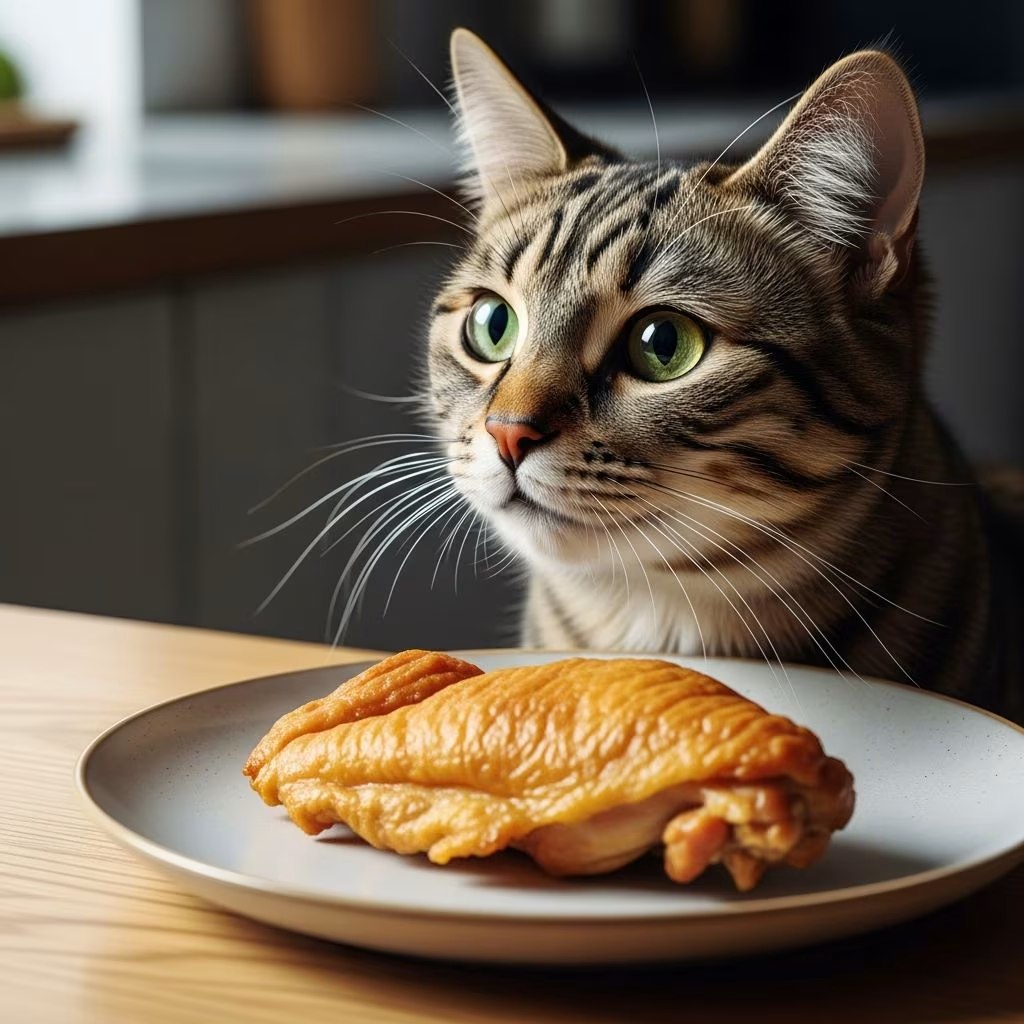
Chicken skin might seem like a tempting treat for your cat, given their love for meaty flavors, but it’s not as straightforward as offering a plain piece of chicken breast. While cats are obligate carnivores that thrive on animal proteins, chicken skin poses specific health considerations due to its composition and common preparation methods. This article dives into whether cats can eat chicken skin, examining nutritional benefits, potential dangers, safe serving tips, and alternatives to ensure your pet’s diet remains balanced and healthy.
Quick Answer: Can Cats Eat Chicken Skin?
In moderation and when properly prepared, plain cooked chicken skin can be given to cats as an occasional treat, but it’s generally not recommended as a regular part of their diet. High fat content can lead to digestive issues, obesity, and other health problems, while seasoned or raw versions introduce additional risks like toxicity and bacterial contamination. Always consult your veterinarian before introducing new foods, especially if your cat has pre-existing conditions.
Nutritional Breakdown of Chicken Skin for Cats
Chicken skin is rich in protein, which is essential for cats as it supports muscle maintenance, energy, and overall growth. A typical 100-gram serving provides substantial protein alongside fats that supply energy and aid in nutrient absorption. It also contains vitamins like A and B12, selenium for immune support, and niacin, which contribute to vision, nerve health, and metabolism.However, the standout feature is its high fat content—around 40 grams per 100 grams—which exceeds what most cats need daily.
Cats require fats in their diet (about 20-35% of calories from fat in commercial foods), but excess from skin can overwhelm their systems. Their short digestive tracts are efficient for proteins but less so for heavy fats, potentially causing pancreatitis or lipidosis (fatty liver disease) in susceptible cats.
- Pros: High protein for satiety; essential fatty acids; vitamins A, B12, selenium, niacin.
- Cons: Excessive fat leading to weight gain; potential for nutrient imbalance if overfed.
Health Risks of Feeding Chicken Skin to Cats
While plain chicken skin isn’t toxic, several risks make it problematic. The primary concern is obesity: Cats are prone to weight gain, and extra calories from fatty skin contribute to diabetes, arthritis, and heart issues. Digestive upset is common, manifesting as vomiting, diarrhea, or greasy stools due to fat malabsorption.
Seasoned chicken skin amplifies dangers. Rotisserie or fried varieties often include garlic, onion, salt, or spices—all toxic to cats. Garlic and onions damage red blood cells, leading to hemolytic anemia. Even “plain” takeout skin may have hidden seasonings.
Raw chicken skin introduces bacterial risks like Salmonella, E. coli, and Campylobacter, which can infect your cat or spread to humans via feces. Parasites such as Toxoplasma gondii pose additional threats, especially to immunocompromised cats.
| Risk Factor | Details | Potential Consequences |
|---|---|---|
| High Fat Content | 40g per 100g serving | Obesity, pancreatitis, diarrhea |
| Seasonings (Garlic/Onion) | Common in rotisserie/fried | Anemia, organ damage |
| Bacterial Contamination (Raw) | Salmonella, E. coli | Food poisoning, zoonotic spread |
| Bone Fragments | If not fully removed | Choking, intestinal blockage |
Is Raw Chicken Skin Safe for Cats?
Raw chicken skin is riskier than cooked due to pathogens. Although cats’ acidic stomachs handle some bacteria better than humans, they’re not immune—especially kittens, seniors, or those with health issues. Raw feeding advocates note benefits like natural enzymes and joint-supporting nutrients from connective tissues, but veterinary consensus prioritizes safety. If opting for raw, source human-grade, frozen meat to kill parasites, and limit skin portions to avoid fat overload.PetMD advises sticking to cooked chicken to minimize bacterial exposure.
How to Safely Prepare and Serve Chicken Skin to Cats
If you decide to offer chicken skin, preparation is key:
- Cook Thoroughly: Bake, boil, or grill plain skin without oils, salts, or seasonings until crispy and fully cooked to kill bacteria.
- Remove Excess Fat: Trim visible fat to reduce calorie density.
- Portion Control: Limit to 10% of daily calories—e.g., a thumbnail-sized piece for a 10-lb cat, no more than 1-2 times weekly.
- Introduce Gradually: Start small to monitor for allergies or intolerances like itchy skin or vomiting.
- Avoid Bones: Ensure no fragments remain, as cooked bones splinter dangerously.
For kittens, wait until 5 months old, beginning with tiny amounts alongside balanced kitten food.
How Much Chicken Skin Can Cats Eat?
Moderation is crucial. Treats should not exceed 10% of total caloric intake to prevent nutritional gaps. An average adult cat needs 200-300 calories daily; chicken skin’s 500+ calories per 100g means even small pieces add up. Overfeeding risks taurine deficiency if displacing complete foods—taurine is vital for heart and eye health, abundant in muscle meat but sparse in skin.
- Adult cats: 1-2 small strips weekly max.
- Kittens/Seniors: Even less; consult vet.
- Overweight cats: Avoid entirely.
Healthier Alternatives to Chicken Skin
Opt for leaner options to satisfy your cat’s cravings safely:
- Plain Cooked Chicken Breast: High protein, low fat; shred finely.
- Turkey or Fish: Lean proteins like turkey breast or salmon (deboned, cooked).
- Commercial Treats: Vet-formulated freeze-dried meats.
- Raw Meat Diets (PMR/BARF): Balanced with muscle meat, organs, bones—if experienced; use pre-made for safety.
- Veggies: Small amounts of cooked pumpkin for fiber, not as meat replacement.
Homemade chicken treats: Bake skinless breast with cat-safe broth.
Can Cats Eat Chicken Bones with the Skin?
No—bones are hazardous regardless of skin. Cooked bones splinter, causing mouth injuries, choking, or perforations. Raw bones may be safer in balanced raw diets but require expertise to avoid excess calcium/phosphorus imbalances.
Signs of Problems After Eating Chicken Skin
Watch for:
- Vomiting or diarrhea (within 24-48 hours).
- Lethargy, loss of appetite.
- Yellow gums (anemia from toxins).
- Abdominal pain or bloating.
Seek immediate vet care if symptoms appear.
Frequently Asked Questions (FAQs)
Can cats eat fried or rotisserie chicken skin?
No, due to toxic seasonings like garlic/onion and excess fat/oil.
Is chicken skin okay for kittens?
Limited amounts after 5 months; prioritize kitten formula.
What if my cat ate raw chicken skin?
Monitor for illness; contact vet if diarrhea/vomiting occurs.
Can chicken skin cause allergies?
Yes, symptoms include itching, ear infections; switch proteins if suspected.
How often is chicken skin safe?
Occasionally (1-2x/week max) as <10% of diet.
Conclusion
Chicken skin isn’t the best treat for cats due to fat and risk factors, but plain cooked portions in tiny amounts can fit occasionally. Prioritize balanced commercial or vet-approved diets for optimal health. Your cat’s wellbeing hinges on moderation and awareness—when in doubt, skip the skin for safer delights.
References
- Can Cats Eat Chicken? — PetMD. 2023-05-15. https://www.petmd.com/cat/nutrition/can-cats-eat-chicken
- Can Cats Eat Chicken Skin? Vet-Approved Facts & FAQ — Hepper. 2024-02-20. https://articles.hepper.com/can-cats-eat-chicken-skin/
- Can Cats Eat Chicken Every Day Safely? — Darwin’s Pet. 2023-11-10. https://www.darwinspet.com/blogs/resources/is-chicken-good-for-cats-everything-you-need-to-know
- Raw Chicken for Cats: Feline Feeding Caution — Bailey’s CBD. 2024-01-05. https://baileyscbd.com/blogs/cat-nutrition/raw-chicken-for-cats-feline-feeding-caution
- Can Cats Eat Raw Chicken? Learn How to Feed It Safely! — Bella & Duke. 2023-08-12. https://www.bellaandduke.com/cats/expert-advice/cat-nutrition/can-cats-eat-raw-chicken/



