

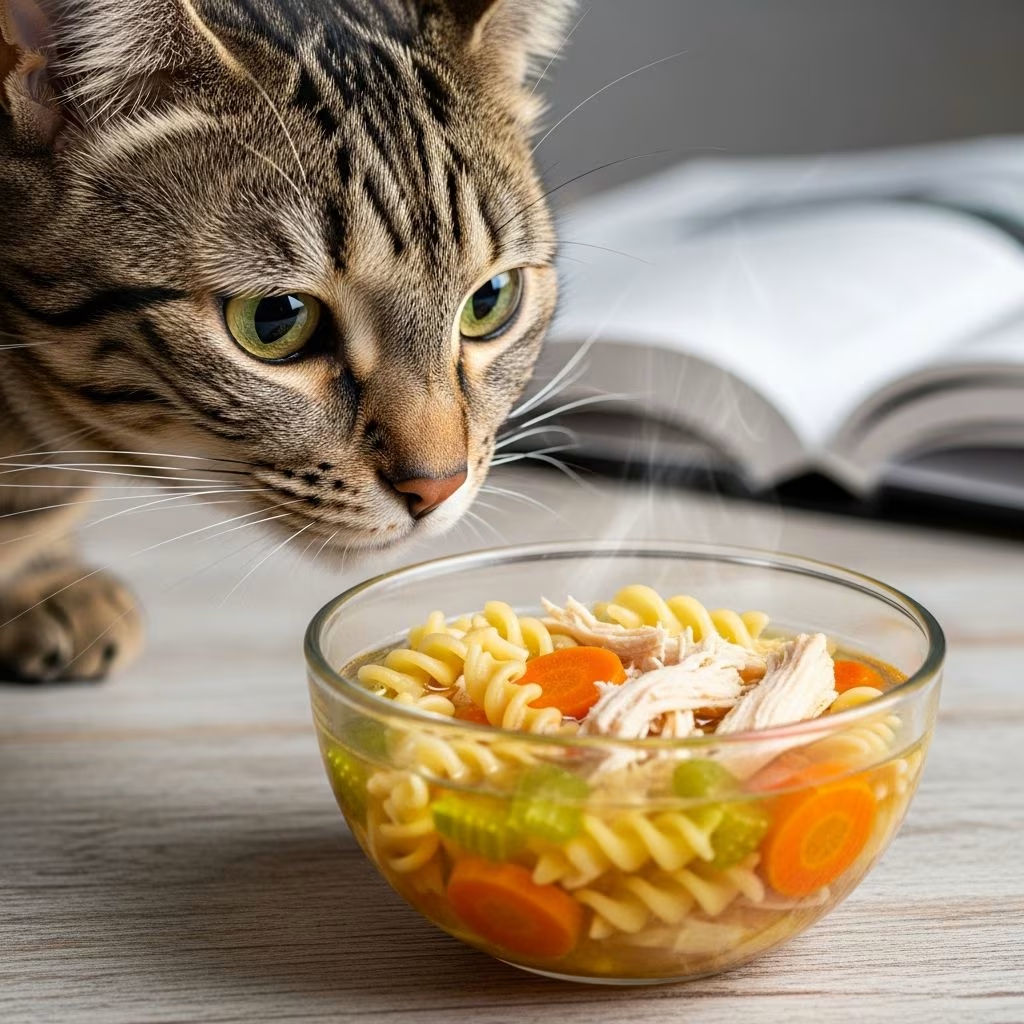
Commercially produced cans of chicken noodle soups are almost never safe for cats because of the high amounts of sodium, preservatives, and seasonings.Cats can enjoy chicken noodle soup if it’s homemade with safe ingredients, such as chicken, noodles, and carrots. However, you shouldn’t give your cat commercially produced soup since it’s heavily laden with preservatives, sodium, and sometimes, toxic seasonings like garlic powder.
Simple to digest and soothing to the throat, chicken noodle soup has been touted as the remedy for a variety of ailments in humans. Cats naturally love chicken, so they may be drawn to the soup regardless of its supposed healing powers. However, many foods that make humans feel great may make your cat feel terrible. Chicken noodle soup can definitely be one of those conundrums.
While a small amount of chicken noodle soup isn’t going to harm your cat, large amounts of it can. In this comprehensive guide, we delve into why chicken noodle soup isn’t the best choice for your cat, the specific risks involved, safe alternatives, and how to prepare a cat-friendly version at home. Understanding your cat’s dietary needs as an obligate carnivore is crucial—cats require high-protein, low-carb diets with essential nutrients like taurine, which human foods often lack or contaminate.
Why Is Chicken Appealing to Cats?
Chicken is an excellent source of protein and taurine for cats. As a lean protein that’s relatively inexpensive and easy to source, chicken is a common ingredient in many commercial cat foods.Feeding your cat chicken noodle soup only sounds natural since they already have chicken and veggies in their normal diet.
Indeed, the dish would be a reasonable choice—if the soup purely consisted of chicken, carrots, and noodles. Cats thrive on meat-based proteins, and plain boiled chicken can even serve as a bland diet for minor tummy troubles, mimicking the simplicity of chicken noodle soup without the extras. Taurine, vital for heart health, vision, and reproduction in cats, is abundant in chicken, making it a staple. However, the other components in soup introduce complications that outweigh these benefits for most recipes.
Why Cats Shouldn’t Eat Chicken Noodle Soup from a Can
Let us be very clear. If your cat eats a small amount of canned chicken noodle soup, it’s probably not going to cause them much harm. However, it’s not healthy for your cat to eat chicken noodle soup a lot.Commercially produced soups require preservatives or sodium to keep the food shelf stable. Typically, it contains high levels of both, and neither are good for cats in large amounts.
All animals need some sodium to live, but not necessarily table salt. In fact, most foods already contain sodium naturally. Cats require so little sodium that their food should already meet their sodium requirements if it’s AAFCO-certified. Excess sodium disrupts electrolyte balance, leading to dehydration and strain on the kidneys and heart.
Salt Poisoning: A Serious Risk
Salt poisoning occurs when a cat eats too much sodium. This condition is unlikely to happen if your cat merely eats their own food with a few treats, or even eats canned chicken noodle soup only once or twice. Salt toxicity is not common but can result from eating salt laden table food or ingesting pure table salt, or from eating an excessive amount of chicken noodle soup. It can be deadly in severe cases.
Signs of salt poisoning can manifest within three hours of ingestion and include:
- Diarrhea
- Decreased appetite
- Vomiting
- Lethargy
- Incoordination
- Excessive thirst or urination
- Tremors
- Seizures
- Coma
If your cat shows any of these signs, take them to the vet immediately. These symptoms overlap with other issues, so professional diagnosis via blood tests is essential. Treatment may involve IV fluids to flush excess sodium and supportive care.
Toxic Seasonings: The Allium Family Danger
Unfortunately, these signs overlap with other medical problems, such as allium toxicity that can result from eating garlic, onions, or leeks. Seasonings derived from onions, garlic, chives, or leeks are also prevalent in commercially produced soups, which is another reason they aren’t safe for cats. Members of the Allium family contain sulfur compounds that damage red blood cells, causing hemolytic anemia.
Onion and garlic powder, common in canned soups, are particularly concentrated and potent—even small amounts can be harmful. Cooked forms are equally toxic. Symptoms include weakness, rapid breathing, collapse, and discolored urine. In severe cases, it leads to organ failure. If suspected, induce vomiting only under vet guidance and seek immediate care.
Preservatives and Other Additives
Beyond sodium and alliums, canned soups often include preservatives like MSG, artificial flavors, and thickeners. These can cause gastrointestinal upset or allergic reactions in sensitive cats. High fat content from broths may lead to pancreatitis, especially in overweight or older cats.
How Chicken Noodle Soup’s Common Ingredients Affect Cats
Breaking down the ingredients reveals why even ‘innocent’ components pose issues in commercial form:
| Ingredient | Safe for Cats? | Risks/Notes |
|---|---|---|
| Chicken | Yes, in moderation | Lean, boneless, skinless pieces provide protein and taurine. A 1-inch cube is ideal as a treat. |
| Noodles | Not recommended | Plain pasta isn’t toxic but high-carb; cats are obligate carnivores needing low-carb diets. Excess causes digestive issues or obesity. |
| Chicken Broth | Only plain, low-sodium homemade | Store-bought is high-sodium and often onion-flavored. Fine for hydration in illness if vet-approved. |
| Celery/Carrots | Yes, small amounts | Low-calorie, hydrating veggies. Chop finely to avoid choking; strings from celery are hazardous. |
| Onions/Garlic | No | Toxic; causes anemia. Even powder is dangerous. |
Before feeding anything new, consult your vet, especially for cats with health issues like kidney disease, where sodium is strictly limited.
Can Homemade Chicken Noodle Soup Be Safe for Cats?
Homemade chicken noodle soup can be safe for your cat since you have the freedom to choose the ingredients. Omit salt, garlic, onions, and preservatives. Use boiled chicken breast, plain pasta, and cat-safe veggies like carrots.
Cat-Friendly Recipe
Ingredients (for a small batch):
- 1 boneless, skinless chicken breast, boiled and shredded
- 1/4 cup plain noodles, cooked
- 1 small carrot, finely chopped and boiled
- 2 cups water or low-sodium homemade broth
Instructions:
- Boil chicken until cooked; shred finely.
- Cook noodles and carrot in water until soft.
- Combine all, cool completely, and serve tiny amounts (1-2 tsp) as a treat.
This provides hydration and gentle nutrition for mild upset stomachs. Limit to 10% of daily calories.
Is Chicken Noodle Soup Good for Sick Cats?
Chicken noodle soup is not a recommended DIY solution for curing your cat’s upset stomach. If your cat is experiencing frequent vomiting or diarrhea, you should talk to your veterinarian about possible causes instead of diagnosing the problem yourself.Boiled chicken is like chicken noodle soup in the feline world and can help them recover from a minor tummy upset.
For illness, vets often recommend bland diets like boiled chicken and rice (minimal rice for low-carb). Always get professional advice to rule out serious conditions like infections or blockages.
Alternatives to Chicken Noodle Soup for Cats
- Plain boiled chicken or turkey
- Commercial cat broths (low-sodium, onion-free)
- Cat-specific wet food for hydration
- Fresh water with a pet fountain
- Vet-recommended rehydration solutions
Frequently Asked Questions (FAQ)
Can Cats Eat Canned Soup?
Canned soup is not recommended for cats due to the high levels of sodium. Likewise, many canned soups contain unhealthy or harmful ingredients for cats, so it is best to feed your cat a feline-specific diet rather than a meal for a human.
Are There Other Risks to Feeding Your Cat Chicken Noodle Soup?
In addition to the harmful ingredients in chicken noodle soup, it is possible the hot temperature of the soup can harm your cat. They can accidentally burn their tongue, mouth, or lips if they try to ingest something too hot. Always cool food fully.
What Happens if Your Cat Eats Chicken Noodle Soup?
If your cat lapped up a bit of chicken noodle soup, your response may vary depending on the ingredients. If there is nothing toxic in the soup, monitor your cat for digestive issues and call your veterinarian if they seem unwell. If onions or other toxic ingredients are included, it is advised that you call your vet right away.
Can Cats Eat Chicken Broth?
Some chicken broths can be great for your cat, while others can be unhealthy. It all comes down to the ingredients. A plain, homemade, chicken broth with no added ingredients or sodium is okay for your cat in moderate quantities. Avoid store-bought.
Is Celery Safe for Cats in Soup?
Celery is healthy in small, finely chopped amounts for hydration and fiber, but avoid from soup due to other ingredients. Remove strings to prevent choking.
Conclusion
Chicken noodle soup should only be given to your cat as an occasional snack—and only if it’s a homemade recipe that’s free from toxic ingredients such as garlic powder and salt. Canned soups are almost never safe for cats because of the salt, preservatives, and seasonings. If your cat likes to hover around your bowl, you might consider making a feline-friendly pot of homemade chicken noodle soup to give them as an occasional treat. If your cat is feeling sick, you should take them to the vet to see what they recommend. Prioritize a balanced, AAFCO-approved diet for optimal health.
References
- Pet Poison Helpline: Onion and Garlic Toxicity in Pets — Pet Poison Helpline. 2023-05-15. https://www.petpoisonhelpline.com/poisons/onion/
- Sodium Toxicosis in Cats — Merck Veterinary Manual. 2024-01-10. https://www.merckvetmanual.com/toxicology/sodium-toxicosis/sodium-toxicosis-in-animals
- Nutritional Requirements of Cats — National Research Council (via NAP.edu). 2022-08-20. https://nap.nationalacademies.org/catalog/21133/nutrient-requirements-of-dogs-and-cats
- AAAFCO Cat Food Nutrient Profiles — AAFCO. 2025-03-01. https://www.aafco.org/consumers/understanding-pet-food
- ASPCA Toxic Foods for Cats — ASPCA. 2024-11-12. https://www.aspca.org/pet-care/animal-poison-control/people-foods-avoid-feeding-your-pets



