

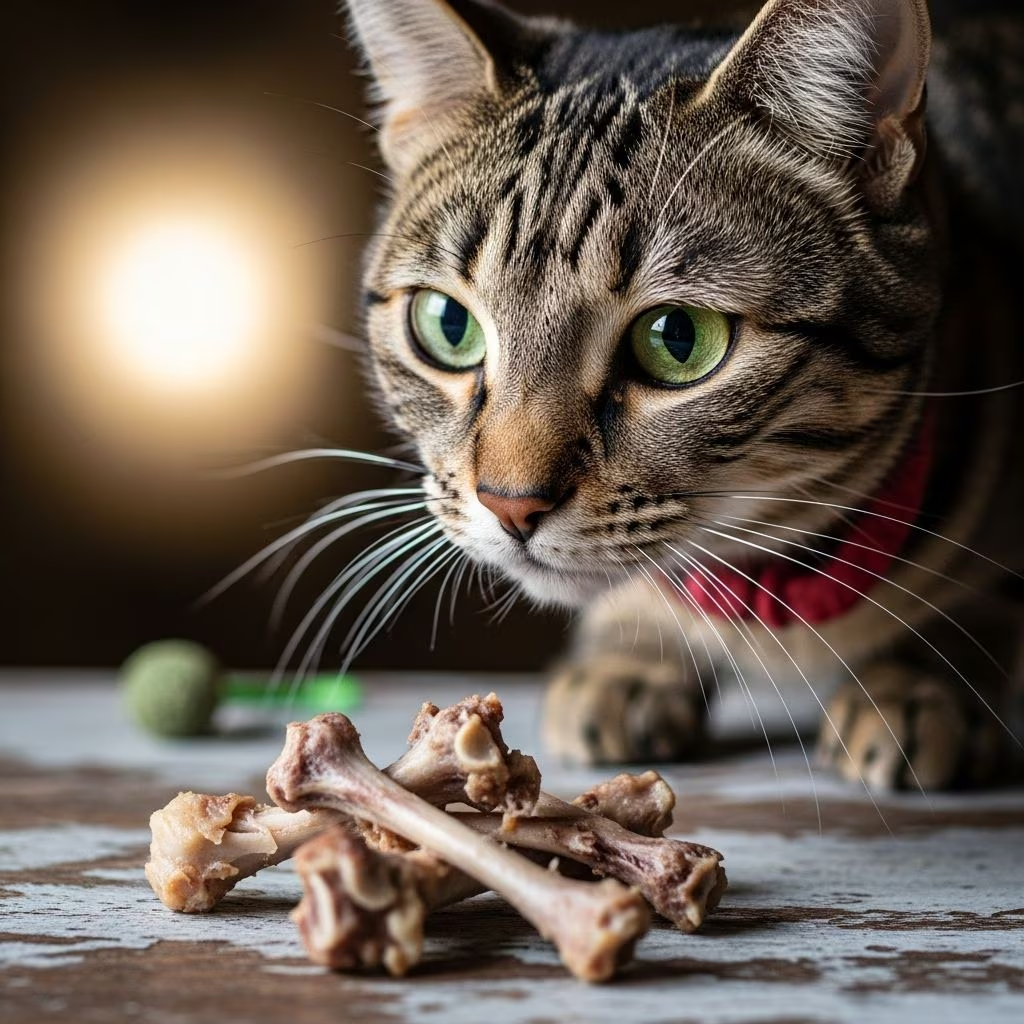
Can Cats Eat Chicken Bones? A Comprehensive Safety Guide
Chicken bones are a common household item that many cat owners might casually offer to their feline companions, but the truth is far more serious than it appears. While cats are obligate carnivores that naturally hunt and consume small prey in the wild, domesticated cats should never be given chicken bones—whether cooked or raw. Understanding the specific dangers these bones pose is essential for keeping your beloved pet safe from potentially life-threatening complications.
Why Cats Shouldn’t Eat Chicken Bones
The risks associated with cats consuming chicken bones are significant and varied. Unlike their wild counterparts that consume much smaller prey, domesticated cats are not equipped to safely handle chicken-sized bones. Even when cats successfully chew or swallow bones, serious health complications can follow. Both raw and cooked chicken bones present distinct hazards that every cat owner should understand.
The Splinter Problem
Cooked chicken bones are particularly dangerous because they become brittle and fragile during the cooking process. When a cat chews on or swallows a cooked bone, it can easily shatter into sharp, jagged fragments. These splinters pose a severe threat to your cat’s internal organs, including the esophagus, stomach, and intestines. The sharp edges can puncture and tear delicate tissues, potentially causing life-threatening internal bleeding and infection.
Raw bones, while somewhat safer than cooked ones, still carry significant risks. Although raw bones are less likely to splinter as easily as their cooked counterparts, they can still break apart inside your cat’s digestive system and cause serious damage. Additionally, raw chicken bones may harbor harmful bacteria such as Salmonella and Campylobacter, which can trigger gastrointestinal infections in cats, particularly those with compromised immune systems.
Common Risks of Cats Eating Chicken Bones
Digestive Tract Damage
The internal structures of a cat’s digestive system are remarkably delicate and vulnerable to injury. Hard, brittle chicken bones take an exceptionally long time to digest and can cause severe damage while passing through the gastrointestinal tract. Bones may puncture or tear the stomach, esophagus, small intestines, and other internal organs. Even if a bone manages to pass through the system, it can leave behind microscopic tears that lead to internal bleeding and infection days after ingestion.
Blockages and Obstructions
One of the most serious complications from chicken bone ingestion is gastrointestinal blockage. Bones can accumulate and harden inside your cat’s digestive system, creating a solid mass that completely blocks the passage of food and waste. These blockages typically require emergency surgical intervention to resolve and represent a life-threatening medical condition. Blockages can develop suddenly or gradually over several days, making close monitoring essential if your cat has consumed a chicken bone.
Choking Hazard
Cats can choke on chicken bones that become lodged in the throat or esophagus. A choking cat will be unable to breathe properly and requires immediate emergency veterinary care. Signs of choking include difficulty swallowing, excessive drooling, gagging, and visible distress. This is a medical emergency that demands immediate professional intervention.
Infection Risks
When bones cause tears or punctures in the digestive tract, bacteria can enter the abdominal cavity, leading to peritonitis—a life-threatening abdominal infection. Additionally, raw chicken bones may introduce bacterial pathogens into your cat’s system. These infections can spread rapidly and affect multiple organs, potentially causing sepsis and death if not treated promptly.
Differences Between Raw and Cooked Chicken Bones
| Characteristic | Cooked Bones | Raw Bones |
|---|---|---|
| Splinter Risk | Very High – become brittle and shatter easily | Lower – more flexible but still dangerous |
| Digestibility | Difficult – slow and problematic digestion | Difficult – slow and problematic digestion |
| Bacterial Contamination | Lower risk | Higher risk – may harbor Salmonella and Campylobacter |
| Overall Safety Rating | Very Dangerous | Dangerous |
What Happens When a Cat Eats a Chicken Bone?
If your cat has eaten a chicken bone, the outcome depends on several factors including the size of the bone, whether it was cooked or raw, and your individual cat’s digestive health. In the best-case scenario, your cat may digest the bone without significant problems, though even this can result in digestive upset manifesting as diarrhea or vomiting.
However, in many cases, the bone will not digest properly and may become stuck somewhere in the gastrointestinal tract. This can cause blockages requiring emergency surgery or create tears and punctures that lead to internal bleeding and infection. Some cats experience a delayed reaction, with symptoms appearing hours or even days after bone ingestion.
Timeline of Bone Digestion
Bones typically take between 12 to 24 hours to pass through a cat’s digestive tract if they pass at all. During this transit time, the hard bone fragments can cause continuous damage as they move through the esophagus, stomach, and intestines. This prolonged period of potential injury is why close monitoring is so important after bone ingestion.
Warning Signs Your Cat Has Eaten a Chicken Bone
If you suspect your cat has consumed a chicken bone, watch carefully for these warning signs:
- Vomiting – One of the earliest and most common signs of bone ingestion complications
- Loss of appetite – Sudden disinterest in food, treats, or water
- Abdominal pain – Sensitivity when the belly is touched, hunched posture, or reluctance to move
- Constipation – Inability to defecate or dry, hard stools
- Diarrhea – Loose or watery stools, sometimes with blood
- Lethargy – Unusual tiredness, lack of energy, or withdrawal from normal activities
- Drooling – Excessive saliva production or inability to swallow normally
- Pawing at the mouth – Indication of mouth or throat discomfort
- Bloody stool – A serious sign indicating internal bleeding
- Difficulty breathing – May indicate choking or severe blockage
Cats at Higher Risk
While all cats are at risk when consuming chicken bones, certain groups face even greater danger. Senior cats and kittens have more fragile digestive systems and less ability to handle foreign objects. Cats receiving medication to reduce stomach acid production are at increased risk because they have less protection against bacteria and injury. Additionally, cats with pre-existing digestive conditions, food sensitivities, or compromised immune systems are more vulnerable to serious complications from bone ingestion.
Can a Cat Die From Eating a Chicken Bone?
Yes, it is absolutely possible for a cat to die from eating a chicken bone. Several life-threatening scenarios can result from bone ingestion. A bone lodged in the throat can cause complete airway obstruction and choking death. Internal punctures can lead to uncontrolled bleeding and shock. Blockages that go untreated can cause organ failure. Even with emergency veterinary surgery, some cats do not survive the complications from bone ingestion. This is not an exaggerated risk—it is a genuine medical emergency.
What to Do If Your Cat Eats a Chicken Bone
If you witness your cat consuming a chicken bone or discover evidence of bone ingestion, follow these steps:
- Stay calm – Panic will not help your cat, and they may sense your anxiety
- Contact your veterinarian immediately – Even if your cat appears fine, professional guidance is essential
- Provide information – Tell your vet what type of bone (cooked or raw), approximately how much was consumed, and when it occurred
- Monitor closely – Watch for any warning signs of complications over the next 48 hours and beyond
- Follow veterinary recommendations – Your vet may recommend X-rays, monitoring at home, or hospitalization for observation
- Do not induce vomiting – Unless specifically directed by your veterinarian, attempting to make your cat vomit can cause additional damage
- Restrict food temporarily – Your vet may recommend fasting to prevent further blockage risk
Safer Alternatives to Chicken Bones
If you want to provide your cat with the nutritional benefits and enrichment that bones offer, consider these safer alternatives:
- Bone broth – Provides beneficial minerals and collagen without the choking and blockage risks
- Commercial cat treats – Choose products specifically formulated for cats and tested for safety
- Raw or freeze-dried meat – Provides satisfying texture without bone fragments
- Interactive toys – Offer mental and physical enrichment without safety risks
- Specially designed dental chews – Safe options that clean teeth without splinter hazards
- Consultation with veterinary nutritionists – For cats requiring specialized diets, professional guidance ensures safety
Frequently Asked Questions (FAQs)
Q: Can a cat digest a chicken bone?
A: Bones take an exceptionally long time to digest and often pass straight through the digestive tract. During transit, they can cause tearing, obstruction, and serious infections. Most veterinary experts agree that cats cannot safely digest chicken bones, and professional veterinary advice should be sought if bone ingestion occurs.
Q: How long does it take a cat to pass a chicken bone?
A: Bones typically take 12 to 24 hours to pass through a cat’s digestive tract. However, they may become lodged and never pass at all. During this passage time, serious damage can occur. Veterinary advice should always be sought if a cat eats a chicken bone.
Q: Is raw chicken bone safer than cooked chicken bone?
A: While raw chicken bones are less likely to splinter than cooked ones, they are not safe for cats. Raw bones can harbor harmful bacteria like Salmonella and Campylobacter and can still cause blockages, tears, and infections. Neither raw nor cooked chicken bones should be given to cats.
Q: What should I do if my cat ate a chicken bone and seems fine?
A: Even if your cat appears completely normal after eating a chicken bone, complications can develop hours or days later. Monitor your cat closely for at least 48 hours and contact your veterinarian immediately. Do not assume the situation is fine because your cat seems well—internal damage may not be immediately visible.
Q: Are there any safe ways to give my cat bones?
A: It is never safe to give your cat chicken bones. For the safest nutritional options, consider bone broth, commercial cat treats specifically formulated for feline safety, or consult with your veterinarian about appropriate dietary supplements and treats for your individual cat.
Final Thoughts on Cat Safety and Chicken Bones
Chicken bones pose multiple serious threats to your cat’s health and life, including choking, obstruction, internal tearing, and infection. The risks are not theoretical—veterinary clinics regularly treat cats with devastating injuries from bone ingestion, and some cases result in death despite emergency intervention. Cooked chicken bones are particularly dangerous due to their tendency to splinter, but raw bones should also be strictly avoided due to bacterial contamination risks and inherent splinter potential.
The bottom line is clear: cats should never be given chicken bones in any form. As a responsible pet owner, your role is to prevent access to this dangerous food item and educate family members and guests about this hazard. If your cat does consume a chicken bone, take the situation seriously and seek immediate veterinary guidance. When it comes to your cat’s safety, it is always better to be cautious and err on the side of professional medical advice.
References
- My Cat Ate A Chicken Bone: Should I Worry? — Cats.com. 2024. https://cats.com/should-cats-eat-chicken-bones
- What To Do if Your Cat Ate a Chicken Bone — LePar Animal Hospital. 2024. https://leparvet.net/blog/cat-ate-a-chicken-bone/
- Why Cats and Chicken Bones Don’t Mix — Dan’s Pet Care. 2024. https://danspetcare.com/pets/z545hh3r6bte5jmeg5lr384gt9y4y9
- My Cat Ate a Chicken Bone! Here’s What to Do (Vet Answer) — Catster. 2024. https://www.catster.com/ask-the-vet/cat-ate-a-chicken-bone-what-to-do/
- Can dogs and cats eat bones? — ManyPets. 2024. https://manypets.com/uk/pet-food-safety/can-my-pet-eat-bones/
- My Cat Ate a Chicken Bone: What Do I Do? — 441 Animal Hospital. 2024. https://441animalhospitalboca.com/blog/cat-ate-a-chicken-bone/
- Can Cats Eat Bones? How to Feed Them Safely? — Bella+Duke. 2024. https://www.bellaandduke.com/cats/expert-advice/cat-nutrition/can-cats-eat-bones/



