

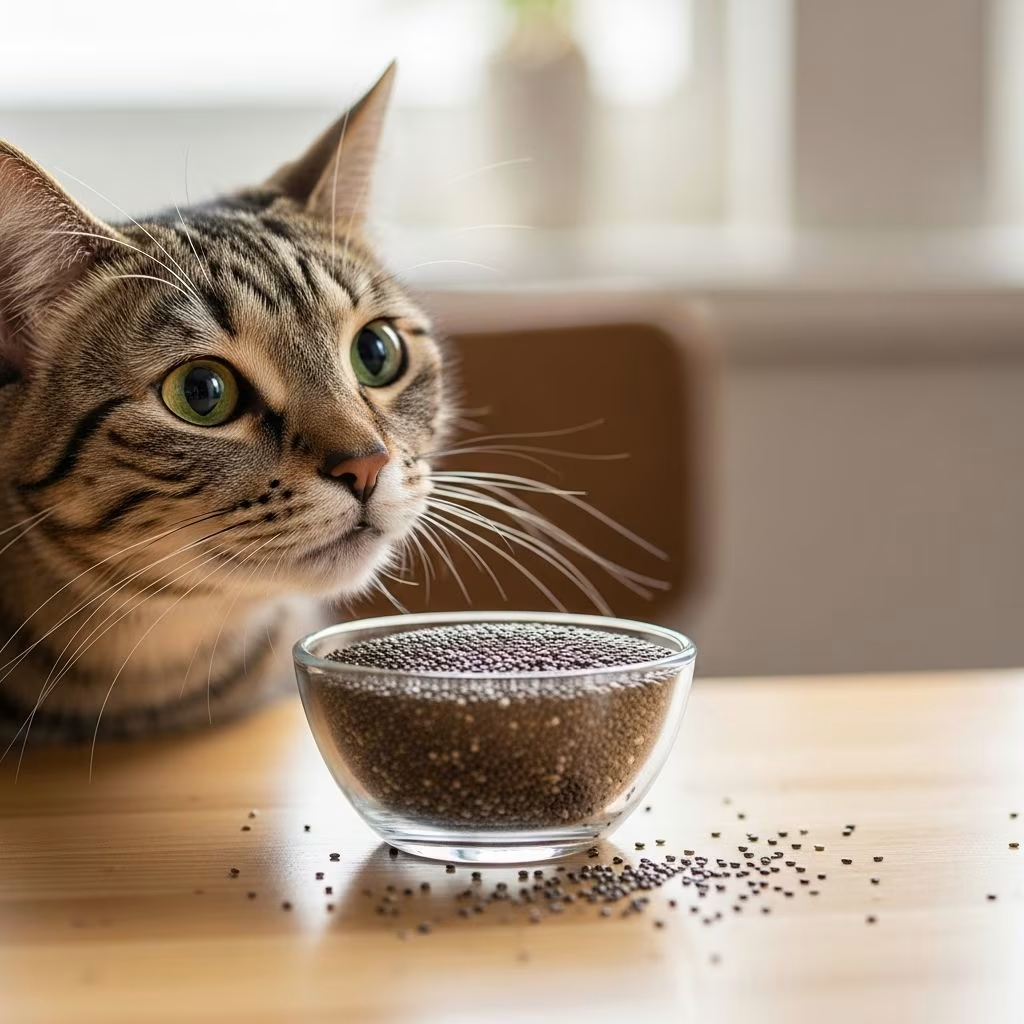
Chia seeds have gained popularity as a superfood for humans due to their rich nutrient profile, but can cats eat chia seeds safely? These tiny seeds from the Salvia hispanica plant are packed with omega-3 fatty acids, fiber, protein, antioxidants, and minerals like calcium, phosphorus, and magnesium. While non-toxic to cats, they are not a staple in a feline diet since cats are obligate carnivores that thrive primarily on animal-based proteins.
Veterinarians generally agree that small amounts of properly prepared chia seeds can be an occasional treat or supplement, offering potential benefits without replacing balanced commercial cat food. However, improper feeding—such as giving dry seeds—can lead to choking or digestive issues due to their ability to absorb up to 12 times their weight in water and expand into a gel-like substance. This article explores the safety, benefits, risks, preparation methods, and more to help cat owners make informed decisions.
Quick Answer: Can Cats Eat Chia Seeds?
Yes, cats can eat chia seeds in small amounts if soaked first, but they should not be a regular part of their diet. Chia seeds are non-toxic and may provide supplementary nutrition like omega-3s for skin health and fiber for digestion. Always introduce them gradually and consult your vet, especially for cats with health conditions.
- Safe in moderation: 1/8 to 1/4 teaspoon of soaked seeds per day for an average adult cat, depending on size and health.
- Preparation key: Soak in water for 10-30 minutes to form a gel and avoid expansion risks.
- Not essential: Cats don’t require plant fiber; prioritize meat-based nutrition.
What Are Chia Seeds?
Chia seeds are small, oval-shaped seeds derived from the Salvia hispanica plant, native to Central America. Historically used by ancient civilizations like the Aztecs for energy and sustenance, they are now a global superfood. When exposed to liquid, chia seeds develop a mucilaginous coating—a soluble fiber gel—that aids hydration and digestion in humans.
Nutritionally, one ounce (about 2 tablespoons) of chia seeds contains approximately:
| Nutrient | Amount per 28g | % Daily Value (Human) |
|---|---|---|
| Calories | 137 | 7% |
| Omega-3 (ALA) | 4.9g | 307% |
| Fiber | 10.6g | 38% |
| Protein | 4.7g | 9% |
| Calcium | 631mg | 49% |
| Phosphorus | 860mg | 69% |
| Magnesium | 335mg | 80% |
Note: These values are human-oriented; cats metabolize ALA (plant omega-3) less efficiently than EPA/DHA from fish sources.
For cats, the appeal lies in their potential to complement a carnivorous diet, but bioavailability of plant nutrients varies in felines.
Are Chia Seeds Safe for Cats?
Chia seeds are safe for most cats when fed correctly in tiny portions. They are not listed as toxic by the ASPCA or Pet Poison Helpline, and accidental ingestion of a few seeds typically causes no harm. However, safety hinges on preparation and moderation:
- Non-toxic: No known poisons; safe as an occasional topper.
- Obligate carnivores: Cats need 50-60% protein from animal sources; plant seeds can’t replace this.
- Vet recommendation: Consult before adding, especially for kittens, seniors, or cats with GI issues.
A 2020 case study even reported chia seeds helping manage feline idiopathic hypercalcemia by binding excess calcium, showcasing therapeutic potential under vet supervision.
Benefits of Chia Seeds for Cats
While not nutritionally essential, chia seeds offer supplementary perks for cats when used sparingly. Their nutrients can support wellness without dominating the diet.
Rich in Omega-3 Fatty Acids
Chia seeds provide alpha-linolenic acid (ALA), a plant-based omega-3 that may promote healthy skin, reduce itching, and enhance coat shine. Cats with allergies or dry skin might benefit, though fish oil is more bioavailable.
High Dietary Fiber Content
The soluble fiber forms a gel that can ease constipation, regulate bowel movements, and support gut health. Useful for cats prone to hairballs or sluggish digestion, but excess causes diarrhea.
Antioxidants and Minerals
Antioxidants combat oxidative stress, potentially aiding immunity and reducing inflammation. Minerals like calcium, magnesium, phosphorus, and zinc support bones, muscles, and energy metabolism. A study noted chia seeds regulating calcium levels in cats within 4 weeks.
Protein and Amino Acids
Complete plant protein with amino acids for tissue repair, though lacking taurine—essential for cat heart and eye health.
- Shiny coat and reduced shedding from omega-3s.
- Better digestion via fiber.
- Joint support from anti-inflammatories.
Risks of Chia Seeds for Cats
Despite benefits, risks exist, particularly with overfeeding or poor preparation.
- Choking/Blockage Hazard: Dry seeds expand rapidly in the stomach, risking obstruction.
- Digestive Upset: Excess fiber leads to bloating, gas, diarrhea, or constipation.
- Allergies: Rare, but watch for vomiting, itching, or swelling.
- Nutrient Interference: Phytic acid may bind minerals like iron and calcium, reducing absorption.
- Diet Imbalance: Too much displaces protein-rich food.
Sensitive cats or those with IBD should avoid them.
How to Feed Chia Seeds to Cats Safely
Follow these vet-inspired guidelines for safe inclusion.
- Soak First: Mix 1/4 tsp seeds with 1 tsp water; let sit 10-30 minutes until gel forms.
- Start Small: Begin with 1/8 tsp mixed into wet food; monitor for 48 hours.
- Serving Size: Max 1/4 tsp daily for 10-lb cat; less for smaller ones.
- Mix In: Add to wet food, broth, or plain yogurt (unsweetened).
- Avoid Additives: No flavored, sweetened, or oiled seeds.
- Frequency: 2-3 times weekly max.
| Cat Weight | Daily Max (Soaked) |
|---|---|
| 5 lbs | 1/8 tsp |
| 10 lbs | 1/4 tsp |
| 15+ lbs | 1/2 tsp (vet-approved) |
Store soaked gel in fridge up to 5 days.
Can Kittens Eat Chia Seeds?
No, avoid chia seeds for kittens under 1 year. Their developing digestive systems can’t handle the fiber, risking upset. Stick to kitten formula.
Chia Seed Alternatives for Cats
Better options include:
- Fish oil: Direct omega-3s (EPA/DHA).
- Pumpkin: Gentle fiber for digestion.
- Psyllium husk: Soluble fiber supplement.
- Commercial toppers: Vet-formulated with taurine.
FAQs
Are dry chia seeds safe for cats?
No, dry chia seeds pose a choking risk and can expand in the stomach. Always soak them first.
What if my cat ate a lot of chia seeds?
Monitor for vomiting, lethargy, or bloating. Contact your vet if symptoms appear; mild cases may resolve, but blockages need prompt care.
Are chia pets or cat grass safe?
Yes, in moderation. The sprouted greens are non-toxic but can cause mild GI upset if overeaten. Not nutritionally equivalent to seeds.
Can chia seeds help with cat hairballs?
The fiber gel may lubricate digestion and reduce hairballs, but use sparingly alongside hairball remedies.
Is chia seed oil okay for cats?
Potentially, but choose cat-specific fish oil instead for better absorption. Avoid human versions with additives.
References
- Can Cats Eat Chia Seeds? Safe or Risky? – Dial A Vet — Dial A Vet. 2023. https://www.dialavet.com/blog/can-cats-eat-chia-seeds
- Can Cats Eat Chia Seeds? What Do Vets Have to Say About It? — Pet First Veterinary Clinic. 2023. https://petfirst.ae/can-cats-eat-chia-seeds/
- Can Cats Have Chia Seeds? Safe Feeding Guide — Zoorithm. 2023. https://www.zoorithm.com/cats/can-cats-have-chia-seeds
- Can Cats Eat Chia Seeds? Vet-Approved Nutrition Facts & FAQ — Catster. 2023. https://www.catster.com/nutrition/can-cats-eat-chia-seeds/
- Managing Feline Idiopathic Hypercalcemia With Chia Seeds — PMC (PubMed Central). 2020-07-28. https://pmc.ncbi.nlm.nih.gov/articles/PMC7387619/
- Can Cats Eat Chia Grass? — Modern Vet. 2023. https://modernvet.com/can-cats-eat-chia-grass/



