

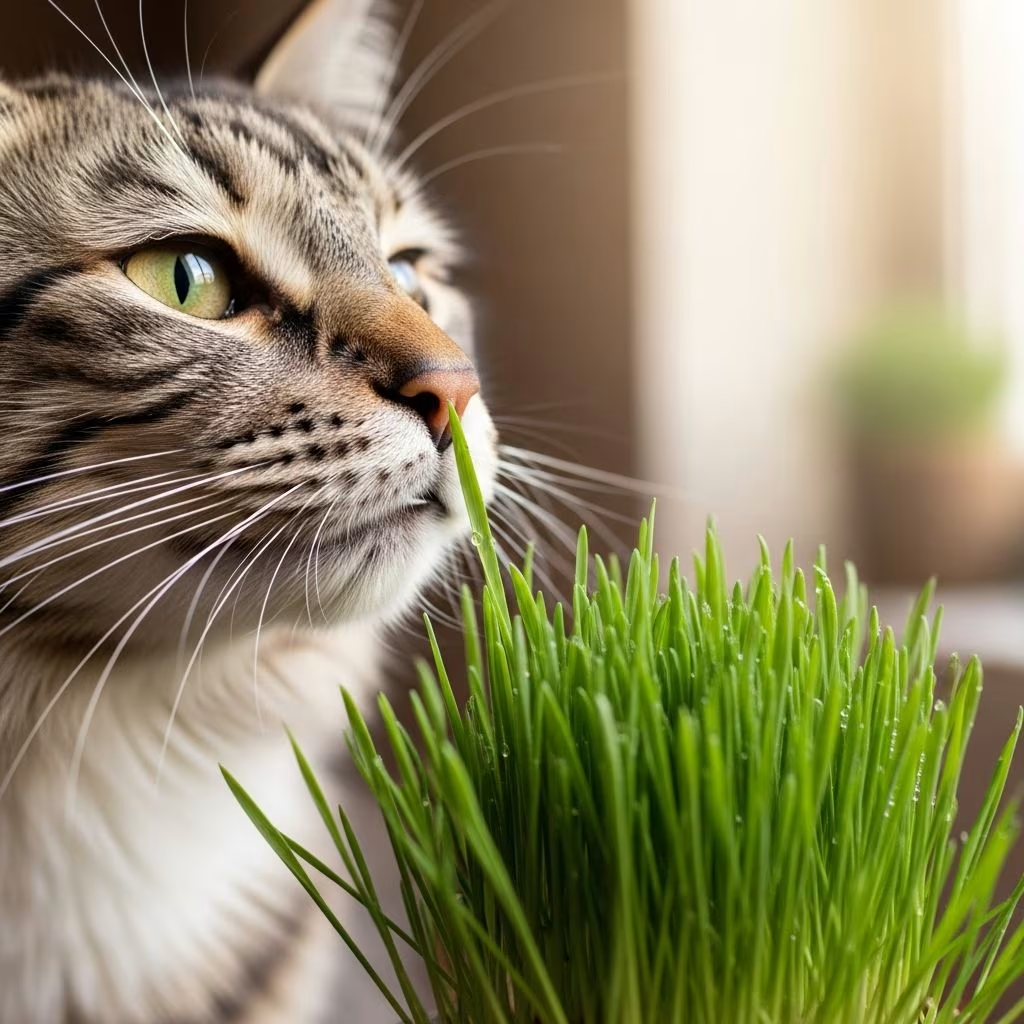
Chia grass, often grown from chia seeds in pet-friendly planters like Chia Pets, is a popular indoor plant that many cats enjoy nibbling on. While cats are obligate carnivores requiring primarily animal-based proteins, small amounts of chia grass can be safe and even beneficial when introduced properly. This article explores the safety, nutritional value, risks, and best practices for feeding chia grass to cats, drawing from veterinary insights and nutritional research.
What Is Chia Grass?
Chia grass refers to the sprouted shoots of chia seeds (Salvia hispanica), commonly cultivated in shallow trays or novelty planters marketed as ‘Chia Pets’ or cat grass kits. These green sprouts emerge quickly, within days of planting soaked chia seeds on a moist medium like soil or clay. Unlike mature chia plants, which produce seeds used in human superfoods, chia grass is the tender, young foliage that appeals to cats’ natural grazing instincts.
Cats often seek out grass to aid digestion, purge hairballs, or simply for entertainment. Chia grass provides a safe alternative to potentially pesticide-treated outdoor lawn grass. Its mild flavor and soft texture make it palatable for felines, but it’s not a staple food—cats derive essential nutrients like taurine from meat sources.
Is Chia Grass Safe for Cats?
Yes, chia grass is generally safe for cats in moderation. The plant is non-toxic to felines, as confirmed by veterinary sources, and poses no inherent poisoning risk. However, safety depends on moderation, proper growth hygiene, and individual cat tolerance. Fresh, home-grown chia grass avoids contaminants found in wild grasses, reducing risks like intestinal parasites or chemicals.
Veterinarians note that while safe, chia grass should supplement—not replace—a balanced commercial cat diet. Obligate carnivores like cats have limited ability to process plant matter, so overindulgence can disrupt nutrient absorption. Always monitor for adverse reactions when first offering it.
Potential Benefits of Chia Grass for Cats
- Digestive Aid: The fiber in chia grass promotes healthy bowel movements and helps expel hairballs, a common issue in grooming cats.
- Omega-3 Fatty Acids: Derived from the seeds, these support skin health, reduce inflammation, and promote a glossy coat.
- Antioxidants and Minerals: Contains compounds that combat oxidative stress, plus calcium, magnesium, and phosphorus for bone and muscle support.
- Hydration and Enrichment: The moist grass encourages water intake and provides mental stimulation through nibbling.
- Hypercalcemia Management: One study showed chia seeds (and by extension, sprouts) helped regulate calcium levels in cats with idiopathic hypercalcemia.
These benefits are most pronounced in small, occasional servings. A peer-reviewed case highlighted chia’s role in non-pharmacological treatment of feline hypercalcemia, demonstrating its potential therapeutic value.
Nutritional Profile of Chia Grass
Chia grass inherits the nutrient density of its seeds: high in omega-3s (ALA form), soluble fiber, protein (about 15-20%), and micronutrients. While cats can’t efficiently convert plant ALA to usable EPA/DHA, it still offers anti-inflammatory effects. Fiber content aids gut motility without the bulk of other grasses.
| Nutrient | Benefit for Cats | Approx. Content per 100g Sprouts |
|---|---|---|
| Omega-3 Fatty Acids | Skin/coat health, anti-inflammation | 17-18g |
| Dietary Fiber | Digestion, hairball control | 34g |
| Protein | Tissue repair (supplemental) | 17g |
| Calcium | Bone health | 631mg |
| Magnesium | Muscle function | 335mg |
Note: Values approximate from seed data; bioavailability in cats varies. Cats require animal-sourced nutrients primarily.
Risks and Side Effects of Chia Grass for Cats
While safe, chia grass carries risks if mishandled:
- Choking/Blockage: Dry seeds or overly dense grass clumps can expand in the stomach, causing obstruction.
- Digestive Upset: Excess fiber may lead to diarrhea, bloating, or vomiting, especially in sensitive cats.
- Allergies: Rare, but signs include itching, swelling, or GI distress—discontinue if observed.
- Nutrient Imbalance: Phytic acid may hinder mineral absorption; over-reliance displaces protein needs.
- Mold/Pesticides: Poorly grown grass can harbor bacteria or fungi.
Symptoms warrant vet attention: persistent vomiting, lethargy, or blood in stool.
How to Safely Feed Chia Grass to Cats
- Grow Your Own: Soak 1-2 tbsp chia seeds overnight, spread on a tray with soil or blotting paper, keep moist in indirect light. Harvest in 5-10 days.
- Portion Control: Offer 1-2 inches daily for adults; less for kittens/seniors. Mix with food if preferred.
- Preparation: Ensure grass is fresh; chop if long to prevent gulping.
- Introduction: Start small, observe 24-48 hours for tolerance.
- Storage: Refrigerate cut grass up to 3 days; discard if slimy.
Consult a vet for cats with health issues like IBD or renal disease.
Chia Grass vs. Other Cat Grasses
| Grass Type | Safety | Benefits | Drawbacks |
|---|---|---|---|
| Chia Grass | High (non-toxic) | Fiber, omega-3s, quick growth | Expansion risk if seeds ingested |
| Wheatgrass | High | Vitamins A/C, digestion | Can be stringy |
| Oat Grass | High | Hairball aid | Less nutrient-dense |
| Barley Grass | Moderate | Antioxidants | Potential allergens |
Chia stands out for nutrition but requires careful seeding.
FAQs
Can cats eat dry chia seeds used to grow chia grass?
No, dry seeds pose choking hazards as they expand rapidly in the stomach. Always sprout them first or soak thoroughly.
Is chia grass better than catnip for cats?
Chia offers nutritional benefits; catnip provides stimulation. Both can complement each other safely.
How much chia grass can I give my cat daily?
Limit to a few blades (1-2 tsp equivalent) to avoid digestive issues. Adjust based on size and health.
What if my cat eats too much chia grass?
Watch for vomiting or diarrhea. Offer water and bland food; see vet if symptoms persist.
Can kittens eat chia grass?
Kittens under 6 months should avoid it; their systems are sensitive. Introduce gradually after weaning.
Conclusion
Chia grass can be a fun, beneficial treat for cats when fed sparingly and correctly. It supports digestion, provides omega-3s, and satisfies grazing urges without toxicity risks. Prioritize a meat-based diet, grow cleanly, and vet-consult for personalized advice to keep your cat thriving.
References
- Can Cats Eat Chia Seeds? Safe or Risky? — Dial A Vet. 2023. https://www.dialavet.com/blog/can-cats-eat-chia-seeds
- Can Cats Eat Chia Seeds? What Do Vets Have to Say About It? — Pet First. 2024. https://petfirst.ae/can-cats-eat-chia-seeds/
- Can Cats Have Chia Seeds? Safe Feeding Guide — Zoorithm. 2023. https://www.zoorithm.com/cats/can-cats-have-chia-seeds
- Can Cats Eat Chia Seeds? Vet-Approved Nutrition Facts & FAQ — Catster. 2024. https://www.catster.com/nutrition/can-cats-eat-chia-seeds/
- Can Cats Eat Chia Grass? — Modern Vet. 2023. https://modernvet.com/can-cats-eat-chia-grass/
- Managing Feline Idiopathic Hypercalcemia With Chia Seeds — PMC (Peer-reviewed). 2020-07-29. https://pmc.ncbi.nlm.nih.gov/articles/PMC7387619/



