

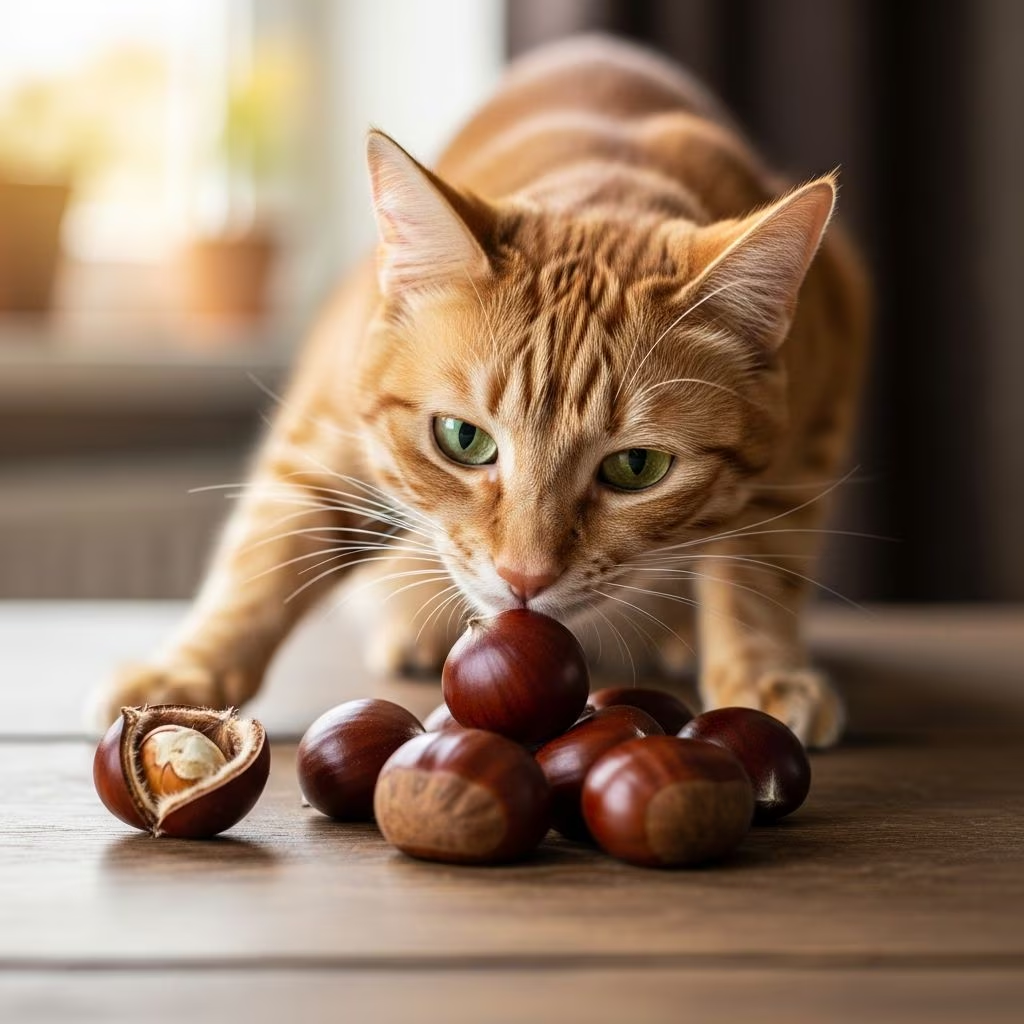
Chestnuts are a popular seasonal treat for humans, but can cats safely enjoy them too? Plain American chestnuts (Castanea dentata) are non-toxic to cats and can be offered in small amounts as an occasional treat. However, horse chestnuts (Aesculus hippocastanum) are toxic and must be avoided. Cats are obligate carnivores, requiring a protein-rich diet, so chestnuts should never replace their regular food. Always consult a veterinarian before introducing new foods, especially if your cat has health issues.
Are Chestnuts Healthy for Cats?
Chestnuts provide limited nutritional value for cats compared to their balanced commercial diet. They are primarily composed of carbohydrates, with low protein and fat content, which does not align well with feline nutritional needs. Despite this, they offer some benefits like fiber, vitamins, and antioxidants when given sparingly.
Nutritional Breakdown of Chestnuts
| Nutrient | Benefit for Cats | Amount per 100g (approx.) |
|---|---|---|
| Fiber | Aids digestion and gut health | 5-8g |
| Vitamin C | Antioxidant support (cats synthesize it) | 26mg |
| Potassium | Supports heart and muscle function | 500mg |
| Magnesium | Bone health and nerve function | 30mg |
| Carbohydrates | Energy source (poorly digested by cats) | 45g |
| Protein | Essential for cats (low in chestnuts) | 2g |
While fiber from chestnuts can promote healthy digestion in moderation, excess carbohydrates may lead to weight gain or digestive upset since cats lack efficient carb-digesting enzymes. Antioxidants help combat inflammation, but cats derive most essential nutrients like taurine from meat-based foods.
- Fiber: Supports regular bowel movements and may prevent constipation.
- Vitamins and Minerals: Vitamin C, potassium, and magnesium contribute to immunity and electrolyte balance.
- Antioxidants: Protect cells from oxidative stress.
- Low Calorie: Suitable for occasional treats without major weight impact if limited.
Chestnuts lack taurine and high-quality protein, critical for heart health, vision, and overall feline wellness. High-quality cat food already provides these, making chestnuts supplementary at best.
Potential Health Risks of Chestnuts for Cats
Although non-toxic, chestnuts pose risks if not prepared properly or overfed. Cats’ short digestive tracts are optimized for meat, not fibrous plants, leading to potential issues.
- Choking Hazard: Raw shells and skins are hard and can block airways or intestines.
- Digestive Upset: High carbs and fiber may cause vomiting, diarrhea, gas, or bloating.
- Nutritional Imbalance: Excessive treats displace protein-rich meals, risking deficiencies.
- Allergies: Rare, but symptoms include itching, swelling, or lethargy.
- Weight Gain: Calorie-dense if overfed, especially for indoor cats.
- Toxic Varieties: Horse chestnuts contain aesculin, causing vomiting, weakness, or muscle damage.
Seasoned chestnuts with salt, sugar, oil, garlic, or onions are dangerous, as these additives are toxic or irritating to cats. Monitor for symptoms like lethargy, drooling, or abdominal pain after consumption.
How to Safely Feed Chestnuts to Cats
To minimize risks, follow strict guidelines. Only offer plain, cooked American chestnuts in tiny portions.
- Choose the Right Type: Use fresh or roasted American chestnuts; avoid horse chestnuts, which have spiky husks.
- Prepare Properly: Boil, bake, or roast without seasonings, then peel completely. Mash or chop into small pieces to prevent choking.
- Portion Control: Limit to 1-2 small pieces (under 5% of daily calories) once or twice a week max.
- Introduce Gradually: Start with a tiny amount and observe for 24-48 hours.
- Store Safely: Keep out of reach to prevent gorging or access to shells.
Pro Tip: Mix mashed chestnut into wet food for better acceptance, but never as a meal replacement.
What About Raw Chestnuts?
Raw chestnuts are not recommended. Their tough texture poses choking risks and is hard to digest, potentially causing blockages or severe upset.
Cooked vs. Roasted Chestnuts for Cats
Cooked (boiled or steamed) chestnuts are softer and safer than raw. Plain roasted ones are acceptable if unsalted and unseasoned, but avoid store-bought varieties with additives.
Can Kittens Eat Chestnuts?
No, kittens should not eat chestnuts. Their immature digestive systems are highly sensitive, increasing risks of upset or allergies. Stick to kitten-specific formula until 1 year old.
What If My Cat Eats Too Many Chestnuts?
Overconsumption may cause mild GI issues resolving in 24 hours. For severe symptoms like persistent vomiting, diarrhea, or lethargy, contact a vet immediately. Provide water and withhold food temporarily.
Alternatives to Chestnuts for Cats
Opt for cat-safe treats richer in protein:
- Commercial cat treats or kibble pieces.
- Plain cooked chicken, turkey, or fish (boneless).
- Steamed veggies like pumpkin or green beans (small amounts).
- Feline supplements with taurine if vet-approved.
Water chestnuts are another low-risk option, offering hydration with minimal calories, though similarly low in protein.
Frequently Asked Questions (FAQs)
Are chestnuts toxic to cats?
American chestnuts are non-toxic, but horse chestnuts are poisonous. Feed only plain varieties.
Can cats eat raw chestnuts?
No, raw chestnuts risk choking and digestive blockages. Cook and peel first.
Are roasted chestnuts safe for cats?
Plain roasted chestnuts are safer in moderation, but avoid salted or flavored ones.
What happens if a cat eats horse chestnuts?
Horse chestnuts can cause vomiting, incoordination, and depression. Seek vet care ASAP.
Can kittens have chestnuts?
Avoid chestnuts for kittens due to sensitive digestion.
How many chestnuts can I give my cat?
1-2 small pieces occasionally, not exceeding 10% of daily intake.
Final Thoughts on Chestnuts and Cats
Chestnuts can be a fun, occasional treat for most healthy adult cats when prepared correctly and fed sparingly. Prioritize their carnivorous needs with vet-formulated food, using nuts like chestnuts for variety only. Regular check-ups ensure dietary choices support long-term health. If unsure, your veterinarian provides tailored advice.
References
- Can Cats Eat Chestnuts? Safety & Feeding Guide — Zoorithm. 2023. https://www.zoorithm.com/cats/can-cat-eat-chestnut
- Can Cats Eat Chestnuts? Vet-Approved Diet Precautions & Advice — Catster. 2023. https://www.catster.com/nutrition/can-cats-eat-chestnuts/
- Can Cats Eat Chestnuts? Is It Safe for Cats? — Dial A Vet. 2023. https://www.dialavet.com/blog/can-cats-eat-chestnuts
- Can Cats Eat Chestnuts? Vet-Verified Facts — Huston Veterinary Clinic. 2023. https://hustonveterinary.com/can-cats-eat-chestnuts/
- Can Cats Eat Water Chestnuts? Nutrition Facts & Safety Guide — Hepper. 2023. https://articles.hepper.com/can-cats-eat-water-chestnuts/
- Chestnut – Toxic and Non-toxic Plants — ASPCA Poison Control. Accessed 2026. https://www.aspca.org/pet-care/aspca-poison-control/toxic-and-non-toxic-plants/chestnut



