

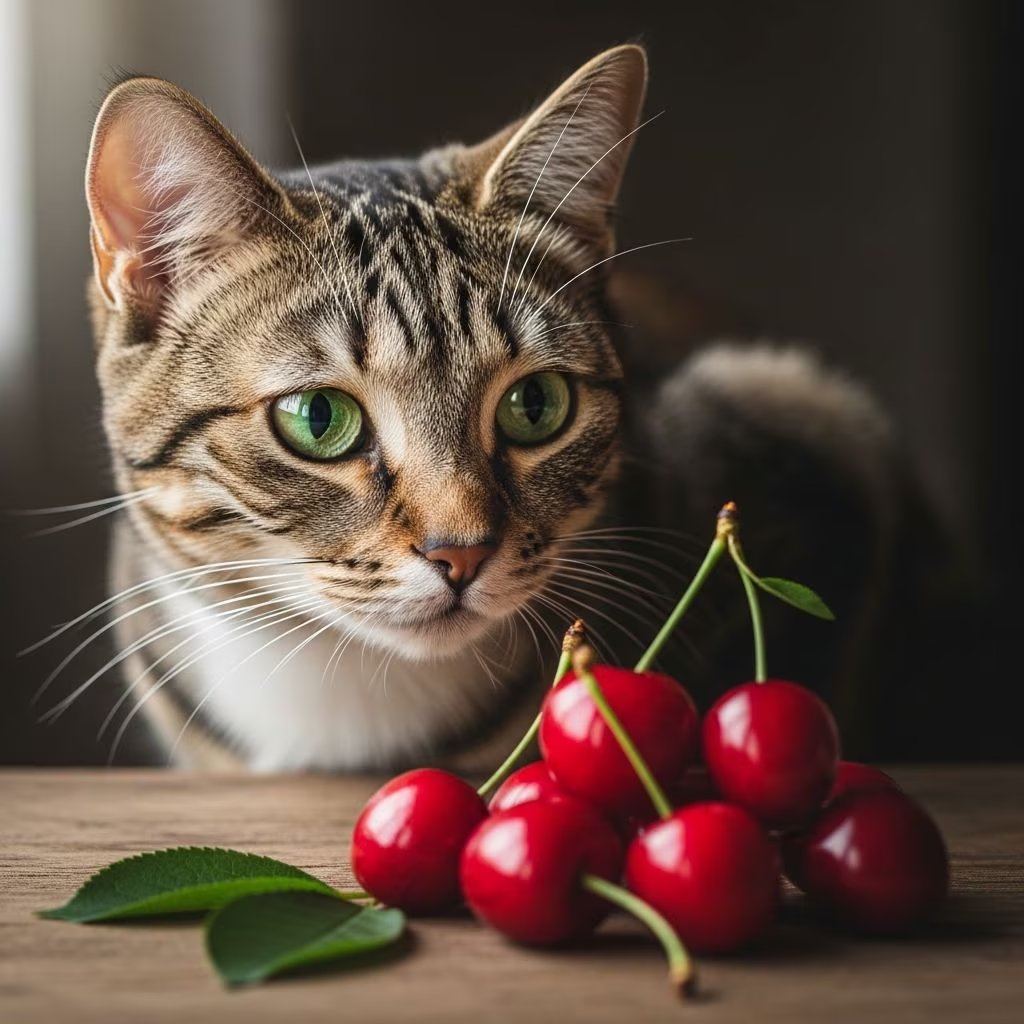
Cherries are a popular summer fruit enjoyed by humans for their sweet-tart flavor and nutritional benefits, but when it comes to feline friends, caution is essential. The flesh of cherries can be safe in very small amounts, but the pits, stems, and leaves pose significant risks due to cyanogenic glycosides that release cyanide. This article breaks down the safety, risks, benefits, and alternatives to help cat owners make informed decisions.
Are Cherries Safe for Cats?
Cats are obligate carnivores, meaning their diet should primarily consist of meat-based proteins rather than fruits or vegetables. While the ripe cherry flesh is not toxic, other parts of the cherry plant contain dangerous compounds. Veterinary experts recommend avoiding cherries altogether to prevent accidental ingestion of harmful parts. Small amounts of pitted cherry flesh might not cause immediate harm, but the high sugar and fiber content can lead to digestive issues like diarrhea or bloating.
According to vet-reviewed sources, the primary concern is cyanide poisoning from cyanogenic glycosides found in stems, leaves, and pits. These compounds break down into hydrogen cyanide when chewed or digested, potentially causing oxygen deprivation in cells. Even though a cat would need to consume a large quantity for fatal effects—around 2-2.5 mg/kg body weight—the risk isn’t zero, especially for curious cats.
Nutritional Value of Cherries for Cats
Cherries offer antioxidants, vitamins, and minerals that benefit humans, but cats derive minimal value from them. Here’s a breakdown:
- Vitamin C: Cats synthesize their own vitamin C, so dietary sources like cherries provide no additional benefit.
- Potassium: Supports muscle function and blood pressure, but cats get ample amounts from commercial cat food.
- Fiber: High fiber aids human digestion but can cause loose stools or gas in cats due to their sensitive systems.
- Antioxidants: Such as anthocyanins, which fight inflammation in humans, but cats’ metabolisms don’t process them effectively.
In essence, while cherries aren’t nutritionally essential or superior for cats, safer meat-based treats align better with their biology.
Which Parts of the Cherry Are Dangerous for Cats?
Not all cherry parts are equal in risk. Understanding each component helps owners avoid hazards:
| Part | Safety Level | Risks |
|---|---|---|
| Flesh (pitted) | Low risk in moderation | High sugar may cause GI upset, obesity risk |
| Pits | Highly toxic | Cyanide release, choking, intestinal blockage |
| Stems & Leaves | Toxic | Cyanogenic glycosides leading to poisoning |
Pits are particularly problematic as they can cause physical obstruction requiring surgery, in addition to chemical toxicity. Sour cherries like Morello varieties have higher amygdalin levels, amplifying dangers.
Can Cats Eat Pitted Cherries?
Theoretically, pitted cherries reduce the primary risks, but they’re still not recommended. The flesh’s natural sugars can disrupt a cat’s low-carb digestive system, leading to discomfort, weight gain, or worsened diabetes. Veterinary advice emphasizes consulting a professional before offering any, as even small pieces might trigger allergies or sensitivities. If approved, limit to tiny, fresh portions—never more than a bite-sized piece—and monitor for reactions like vomiting.
Can Cats Eat Canned or Dried Cherries?
Absolutely not. Canned, jarred, or dried cherries are loaded with added sugars, syrups, artificial sweeteners (like xylitol, toxic to cats), and preservatives that offer no benefits and heighten harm. These processed forms exacerbate obesity, dental issues, and pancreatitis risks. Stick to fresh foods if treating, but better yet, opt for cat-specific options.
Risks and Symptoms of Cherry Toxicity in Cats
If a cat ingests toxic cherry parts, symptoms can appear rapidly. Watch for:
- Dilated pupils and red gums
- Vomiting and diarrhea
- Difficulty breathing or rapid heart rate
- Muscle tremors, seizures, shock, or collapse
Cyanide interferes with oxygen use at the cellular level, making prompt vet intervention critical. Even non-toxic flesh overconsumption causes mild upset, but always err on caution. Lethal doses are low relative to cat size, so prevention is key.
What to Do If Your Cat Eats a Cherry
Don’t panic, but act fast:
- Assess: Note what and how much was eaten, especially pits or stems.
- Monitor: Watch for 24-48 hours for symptoms.
- Contact Vet: Call immediately if any signs appear; induce vomiting only under professional guidance.
- Treatment: May include activated charcoal, IV fluids, or oxygen therapy.
Early action improves outcomes dramatically.
Why Do Cats Like Cherries?
Cats might bat at or nibble cherries due to their juicy texture, bright color, or novelty, not nutritional craving. Their senses draw them to moving or pungent items, but this curiosity underscores the need for supervision.
Safe Alternatives to Cherries for Cats
For treats, choose cat-approved options comprising no more than 10% of diet:
- Commercial treats: Meat-based, low-calorie varieties.
- Plain cooked meats: Chicken, turkey (no seasoning).
- Cat-safe veggies: Small bits of cucumber or steamed broccoli.
- Fish: Cooked salmon in moderation (avoid raw).
These provide hydration, protein, and fun without risks.
How Many Cherries Can a Cat Eat?
Limit to 1-2 small pieces of flesh occasionally, if vet-approved. More risks diarrhea from fiber and sugar. Best: zero to eliminate dangers.
Frequently Asked Questions (FAQs)
Can cats eat dried cherries?
No, dried cherries have concentrated sugars and may retain toxins; avoid entirely.
Is it OK to give cats cherries?
Only pitted flesh in tiny amounts; generally not recommended due to risks.
Can cats eat cherry pits, stems, or leaves?
No, these contain cyanide precursors and are toxic.
What if my cat ate a cherry pit?
Seek vet care immediately for potential poisoning or blockage.
Are cherries toxic to cats?
Parts are; flesh is safer but not ideal.
In summary, while cherry flesh might tempt as a treat, the consensus from veterinary sources is to skip cherries. Prioritize a balanced, carnivore-appropriate diet for optimal health. Always consult your vet for personalized advice.
References
- Can Cats Eat Cherries? Vet-Reviewed Risks & Precautions — Catster. 2023-06-15. https://www.catster.com/nutrition/can-cats-eat-cherries/
- Can Cats Eat Cherries? — Pumpkin Pet Insurance. 2024-02-20. https://www.pumpkin.care/post/can-cats-eat-cherries
- Can Cats Eat Cherries? Risks and Safety Concerns — Dial A Vet. 2023-11-10. https://www.dialavet.com/blog/can-cats-eat-cherries
- Can Cats Eat Cherries? — TrustedHousesitters. 2024-05-05. https://www.trustedhousesitters.com/blog/pets/can-cats-eat-cherries/
- Can Cats Eat Cherries? Human Food for Cats — Kinship. 2023-08-12. https://www.kinship.com/cat-nutrition/can-cats-eat-cherries



